Hibiscus, Growing
Hibiscus plants are renowned for their large, vibrant flowers and lush foliage, making them a popular choice for gardeners looking to add a tropical flair to their landscapes. Whether you're growing hibiscus in a garden bed or a container, understanding their specific needs is crucial for successful cultivation.
Choosing the Right Hibiscus
Hibiscus plants come in two main types: tropical and hardy.
- Tropical Hibiscus (Hibiscus rosa-sinensis): These are evergreen and thrive in warm climates. They are ideal for USDA zones 9-11 and can be grown indoors in cooler climates.
- Hardy Hibiscus (Hibiscus moscheutos): These are deciduous and can withstand colder temperatures, suitable for USDA zones 4-9.
When selecting a hibiscus variety, consider your climate and the plant's intended location. Tropical hibiscus are perfect for patios and indoor spaces, while hardy hibiscus can be planted in garden beds in cooler regions.
Planting Hibiscus
Location
Hibiscus plants require a location that receives full sun for at least 6-8 hours a day. They thrive in well-draining soil rich in organic matter. If planting in a garden bed, ensure the soil is loose and amended with compost. For container planting, use a high-quality potting mix.
Planting Steps
- Prepare the Soil: Loosen the soil to a depth of 12-15 inches and mix in compost or well-rotted manure.
- Dig the Hole: The hole should be twice as wide and as deep as the root ball.
- Plant the Hibiscus: Place the plant in the hole, ensuring the top of the root ball is level with the soil surface.
- Backfill and Water: Fill the hole with soil, gently firming it around the base. Water thoroughly to eliminate air pockets.
Caring for Hibiscus
Watering
Hibiscus plants prefer consistent moisture but do not tolerate waterlogged conditions. Water deeply once or twice a week, allowing the top inch of soil to dry out between waterings. In containers, ensure pots have drainage holes to prevent root rot.
Fertilizing
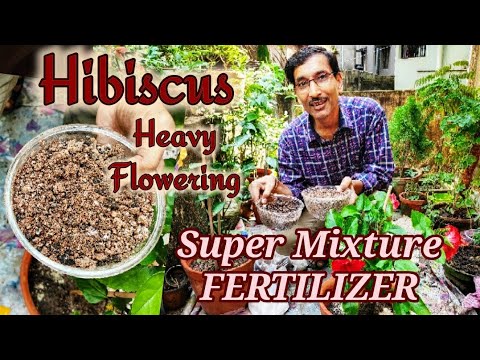
Feed hibiscus plants with a balanced, water-soluble fertilizer every 4-6 weeks during the growing season (spring and summer). A fertilizer high in potassium will promote blooming. Avoid over-fertilizing, as this can lead to excessive foliage growth at the expense of flowers.
Pruning
Regular pruning helps maintain the shape of the plant and encourages new growth. Prune tropical hibiscus in early spring, removing dead or crossing branches. Hardy hibiscus can be cut back to the ground in late fall after the first frost.
Pest and Disease Management
Hibiscus plants can be susceptible to pests such as aphids, spider mites, and whiteflies. Regularly inspect plants and use insecticidal soap or neem oil to control infestations. Fungal diseases like leaf spot and root rot can occur in overly wet conditions. Ensure proper spacing and air circulation to prevent these issues.
Overwintering Hibiscus
In colder climates, tropical hibiscus should be brought indoors before the first frost. Place them in a bright, sunny location and reduce watering. Hardy hibiscus can remain outdoors but may benefit from a layer of mulch to protect the roots during winter.
Propagation
Hibiscus can be propagated through cuttings or seeds.
- Cuttings: Take 4-6 inch cuttings from new growth in late spring or early summer. Remove the lower leaves and dip the cut end in rooting hormone before planting in a pot with a mix of sand and peat.
- Seeds: Collect seeds from mature pods and sow them in a seed-starting mix. Keep the soil moist and warm until germination occurs.