Lead Time Bias
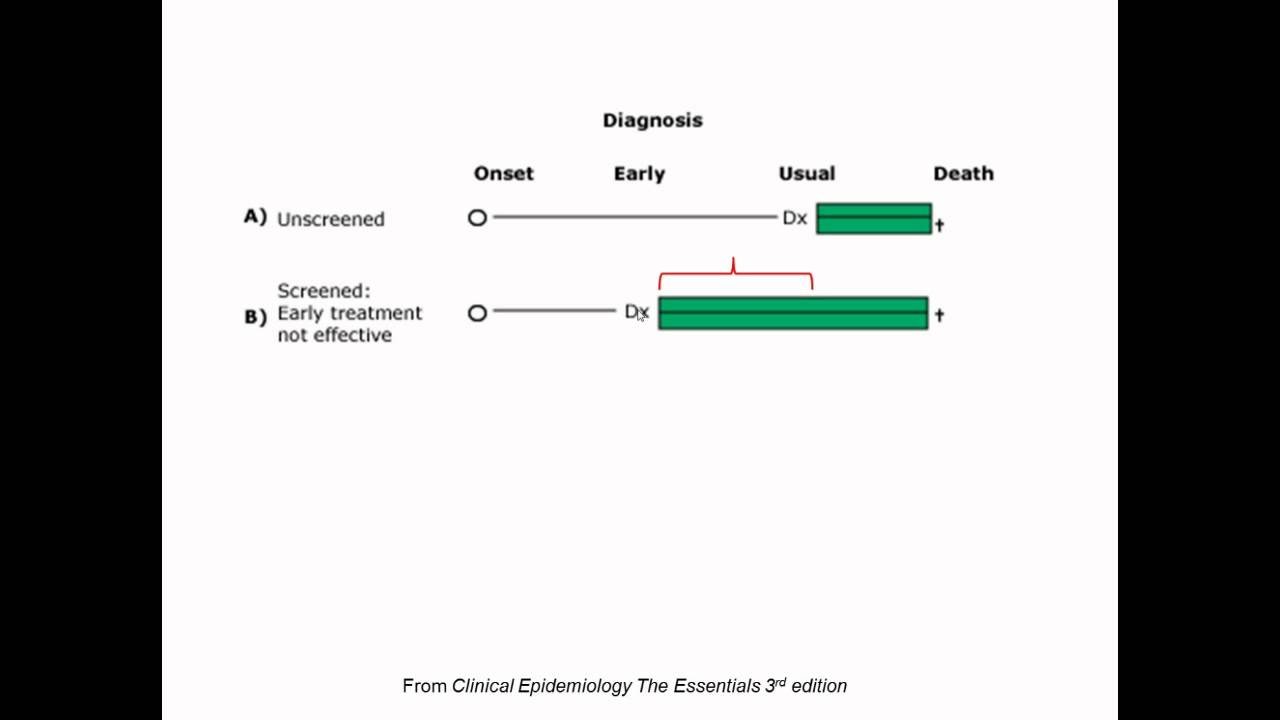
Lead time bias is a critical concept in medical research, particularly in the context of screening and early detection of diseases. It refers to the apparent increase in survival time among patients diagnosed with a disease due to earlier detection, without any actual improvement in the overall outcome or life expectancy. This bias can significantly affect the interpretation of screening program effectiveness and the perceived benefits of early diagnosis.
What is Lead Time Bias?
Lead time bias occurs when a screening test detects a disease earlier than it would have been diagnosed due to symptoms, leading to an apparent increase in survival time. However, this increase is not due to an actual extension of the patient's life but rather because the diagnosis was made earlier in the disease's natural progression. As a result, the time from diagnosis to death appears longer, even though the patient's actual lifespan remains unchanged.
How Lead Time Bias Affects Medical Research
In medical research, lead time bias can skew the results of studies evaluating the effectiveness of screening programs. When researchers compare survival rates between screened and unscreened populations, they may observe longer survival times in the screened group. However, this apparent benefit may be misleading if it is solely due to lead time bias rather than an actual improvement in treatment outcomes.
Example Scenario
Consider a scenario where a new screening test for a particular cancer is introduced. Patients who undergo screening are diagnosed earlier than those who wait for symptoms to appear. If researchers compare the survival times from diagnosis, they might conclude that the screening test improves survival. However, if the earlier diagnosis does not lead to better treatment outcomes, the increased survival time is merely an artifact of lead time bias.
Implications for Screening Programs
Understanding lead time bias is crucial for evaluating the true benefits of screening programs. It highlights the importance of distinguishing between increased survival time due to earlier detection and actual improvements in patient outcomes. To accurately assess the effectiveness of a screening program, researchers must consider other factors, such as:
- Mortality Rates: Comparing mortality rates between screened and unscreened populations can provide a more accurate measure of a screening program's effectiveness.
- Quality of Life: Evaluating the impact of early diagnosis on patients' quality of life is essential to determine the overall benefit of screening.
- Overdiagnosis: Screening programs may lead to overdiagnosis, where non-life-threatening conditions are detected and treated unnecessarily, potentially causing harm to patients.
Strategies to Mitigate Lead Time Bias
Researchers can employ several strategies to mitigate the effects of lead time bias in medical studies:
- Randomized Controlled Trials (RCTs): Conducting RCTs with long-term follow-up can help differentiate between lead time bias and actual improvements in outcomes.
- Statistical Adjustments: Using statistical methods to adjust for lead time bias can provide more accurate estimates of a screening program's effectiveness.
- Focus on Mortality: Emphasizing mortality rates rather than survival times can help avoid the pitfalls of lead time bias.
- Longitudinal Studies: Long-term studies that track patients over time can provide insights into the true impact of early detection on patient outcomes.