Copper Deficiency
Copper is an important regulator of lipid metabolism in mammals, as a cofactor of many enzymes and is involved in the lipolysis. Copper deficiency has been considered as a significant factor in human diseases related to abnormal lipid metabolism, while adding copper to the diet seems to be the simplest and most effective way to prevent copper deficiency.
The most common causes of acquired copper deficiency include malabsorption following gastric surgery and excessive zinc supplementation, it can also be caused by excessive alcohol consumption.
Clinical manifestations can be localized to the dorsal spinal cord and present similarly to those that characterize classic vitamin B12 deficiency
A minority of aneurysms are caused by copper deficiency, which results in a decreased activity of the lysyl oxidase enzyme, affecting elastin, a key component in vessel walls. Copper deficiency results in vessel wall thinning, and thus has been noted as a cause of death in copper-deficient humans.
Videos
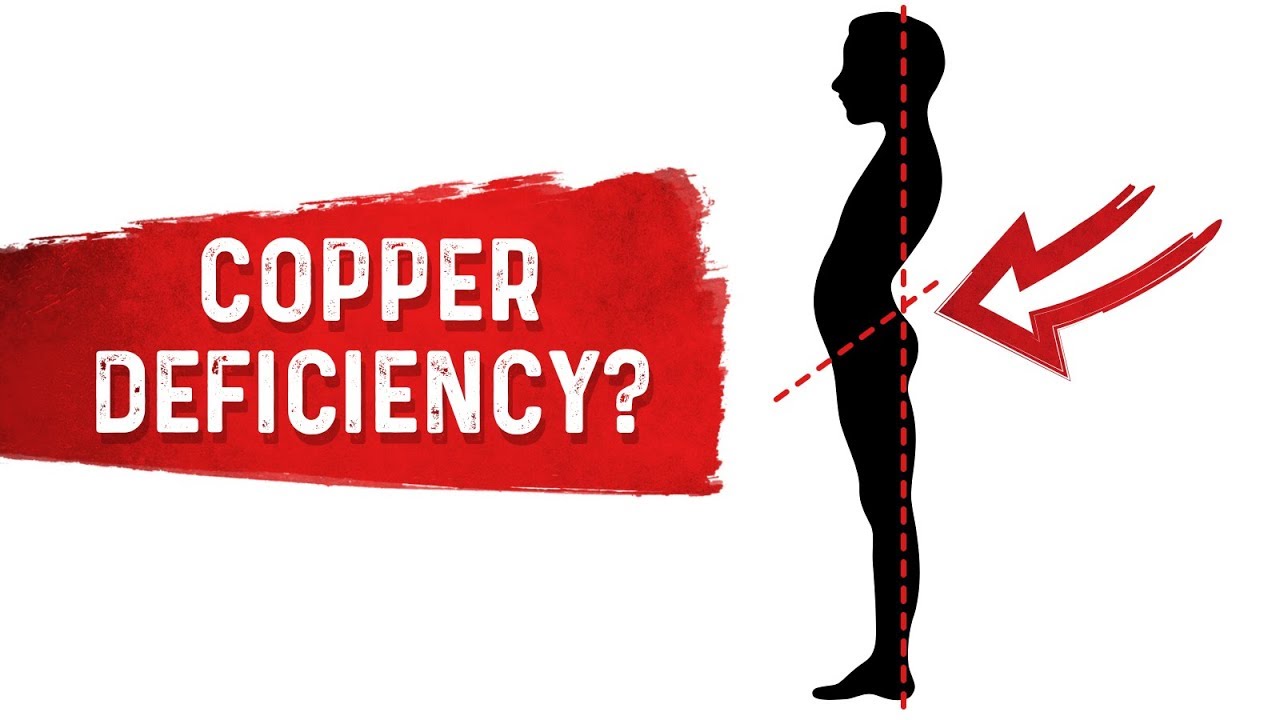
6 signs of copper deficiency:


Irritability, Anger, and Rage: Copper / Lithium Deficiency Syndrome
Copper deficiency may be implicated in Myelodysplastic syndrome.
A low serum copper concentration may play a role in premature graying of hairs.
Copper deficiency myeloneuropathy in autoimmune disease.
Copper deficiency caused by excessive alcohol consumption.
An unrecognized cause of myelopathy associated with copper deficiency: the use of denture cream