Pseudovigna argentea
Constituents
Taxonomy and Classification
- Kingdom: Plantae
- Clade: Angiosperms
- Clade: Eudicots
- Clade: Rosids
- Order: Fabales
- Family: Fabaceae
- Genus: Pseudovigna
- Species: Pseudovigna argentea
The genus Pseudovigna is relatively small, and Pseudovigna argentea is one of its most well-known species. The classification within the Fabaceae family places it among other important legumes, which are known for their ability to fix nitrogen in the soil.
Morphological Characteristics
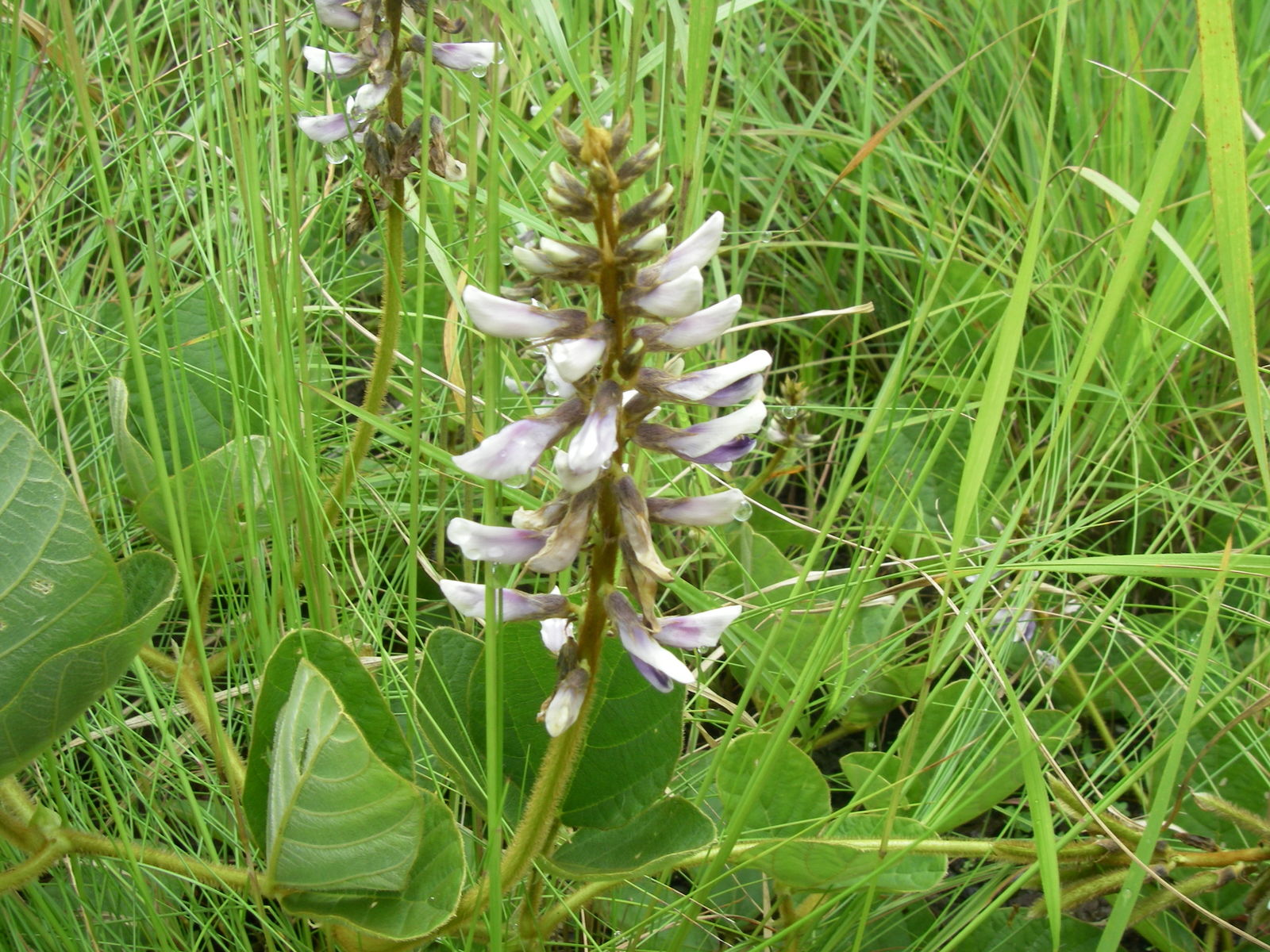
Pseudovigna argentea exhibits several distinctive morphological features:
- Leaves: The leaves are typically compound, with a silvery sheen that gives the plant its name. The leaflets are arranged in an alternate pattern.
- Flowers: The flowers are usually small, with a typical legume structure. They are often white or pale yellow.
- Pods: The seed pods are elongated and contain several seeds. These pods are an important feature for seed dispersal.
- Roots: Like many legumes, Pseudovigna argentea has a root system that includes nodules capable of nitrogen fixation.
Habitat and Distribution
This species is primarily found in tropical and subtropical regions. It thrives in a variety of habitats, including:
- Grasslands: Often found in open grasslands where it can receive ample sunlight.
- Woodlands: Can also grow in the understory of woodlands, benefiting from the dappled light.
- Disturbed Areas: Frequently found in areas that have been disturbed by human activity, such as roadsides and agricultural fields.
The adaptability of Pseudovigna argentea to different environments makes it a resilient species.
Ecological Significance
Pseudovigna argentea plays a crucial role in its ecosystem:
- Nitrogen Fixation: As a legume, it has a symbiotic relationship with nitrogen-fixing bacteria. This process enriches the soil with nitrogen, benefiting other plants in the vicinity.
- Erosion Control: Its root system helps in stabilizing the soil, preventing erosion in vulnerable areas.
- Biodiversity: It provides habitat and food for various insects and animals, contributing to local biodiversity.
Agricultural and Environmental Applications
Due to its beneficial properties, Pseudovigna argentea has several potential applications:
- Cover Cropping: It can be used as a cover crop to improve soil health and fertility. Its nitrogen-fixing ability reduces the need for synthetic fertilizers.
- Rehabilitation Projects: Ideal for use in land rehabilitation projects, especially in areas affected by erosion or poor soil quality.
- Forage: It can serve as forage for livestock, providing a nutritious food source.
Challenges and Conservation
Despite its benefits, Pseudovigna argentea faces several challenges:
- Habitat Loss: Urbanization and agricultural expansion can lead to habitat destruction.
- Invasive Species: Competition with invasive species can threaten its populations.
- Climate Change: Changes in climate patterns can affect its growth and distribution.
Conservation efforts are essential to protect this species and ensure its continued ecological contributions.