Arugula / Rocket, Growing
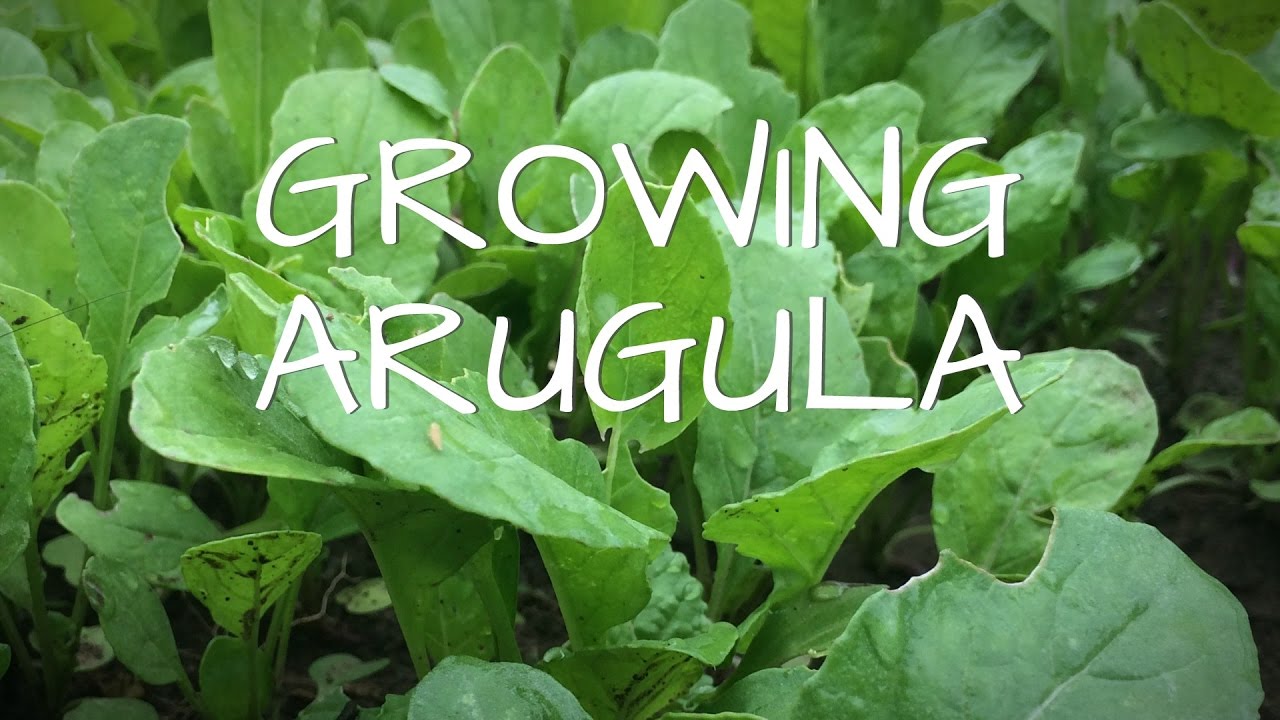
Arugula, also known as rocket, is a leafy green vegetable that is popular for its peppery flavor and nutritional benefits. It is a member of the Brassicaceae family, which also includes broccoli, kale, and mustard greens. Arugula is a versatile plant that can be grown in a variety of climates and is relatively easy to cultivate, making it a favorite among home gardeners and commercial growers alike.
Ideal Growing Conditions
Arugula thrives in cool weather and can be grown in both spring and fall. It prefers temperatures between 45°F and 65°F (7°C to 18°C). In warmer climates, it can be grown as a winter crop. Arugula can tolerate light frost, but extreme cold or heat can cause the plant to bolt, or go to seed, which affects the flavor and texture of the leaves.
Soil Requirements
Arugula grows best in well-drained, fertile soil with a pH between 6.0 and 7.0. It benefits from the addition of organic matter, such as compost or well-rotted manure, which can improve soil structure and provide essential nutrients. Good drainage is crucial to prevent root rot and other moisture-related issues.
Sunlight
Arugula prefers full sun but can tolerate partial shade, especially in warmer climates. Providing some shade during the hottest part of the day can help prevent bolting and maintain leaf quality.
Planting Arugula
Arugula can be grown from seeds or transplants. Direct seeding is the most common method, as it is quick and easy.
Direct Seeding
- Prepare the Soil: Loosen the soil to a depth of at least 6 inches and remove any weeds or debris.
- Sow Seeds: Plant seeds about 1/4 inch deep and 1 inch apart in rows spaced 12 to 18 inches apart.
- Watering: Keep the soil consistently moist until germination, which usually occurs within 5 to 7 days.
- Thinning: Once seedlings are about 2 inches tall, thin them to 4 to 6 inches apart to allow for proper growth.
Transplanting
If starting indoors, sow seeds in trays or pots about 4 to 6 weeks before the last expected frost. Transplant seedlings outdoors when they have at least two true leaves and the risk of frost has passed.
Care and Maintenance
Arugula is a low-maintenance crop, but a few care practices can enhance its growth and yield.
Watering
Arugula requires consistent moisture, especially during dry spells. Water deeply once or twice a week, depending on weather conditions, to encourage deep root growth. Avoid overhead watering to reduce the risk of fungal diseases.
Fertilization
Arugula is a light feeder and generally does not require additional fertilization if grown in nutrient-rich soil. However, a balanced, slow-release fertilizer can be applied if growth appears sluggish.
Pest and Disease Management
Arugula is susceptible to pests such as flea beetles, aphids, and slugs. Use row covers to protect young plants and encourage beneficial insects to control pest populations. Diseases like downy mildew and leaf spot can occur in humid conditions; ensure good air circulation and avoid overhead watering to minimize these issues.
Harvesting Arugula
Arugula can be harvested as soon as the leaves are large enough to eat, typically 3 to 4 weeks after planting. For a continuous harvest, pick the outer leaves first, allowing the inner leaves to continue growing. Alternatively, cut the entire plant about an inch above the soil level, and it will regrow for a second harvest.
Storage
Freshly harvested arugula can be stored in the refrigerator for up to a week. To extend its shelf life, wash and dry the leaves thoroughly, then store them in a plastic bag or container with a damp paper towel.