Tree Tomato / Tamarillo

Constituents:
Tamarillo, scientifically known as Solanum betaceum, is a tropical fruit tree native to the Andes region of South America. Also commonly referred to as the tree tomato, the tamarillo belongs to the Solanaceae family, which includes other popular fruits like tomatoes, potatoes, and eggplants. This unique fruit is known for its vibrant color, distinct flavor, and numerous health benefits, making it a popular choice among fruit enthusiasts and health-conscious individuals worldwide.
Appearance and Varieties
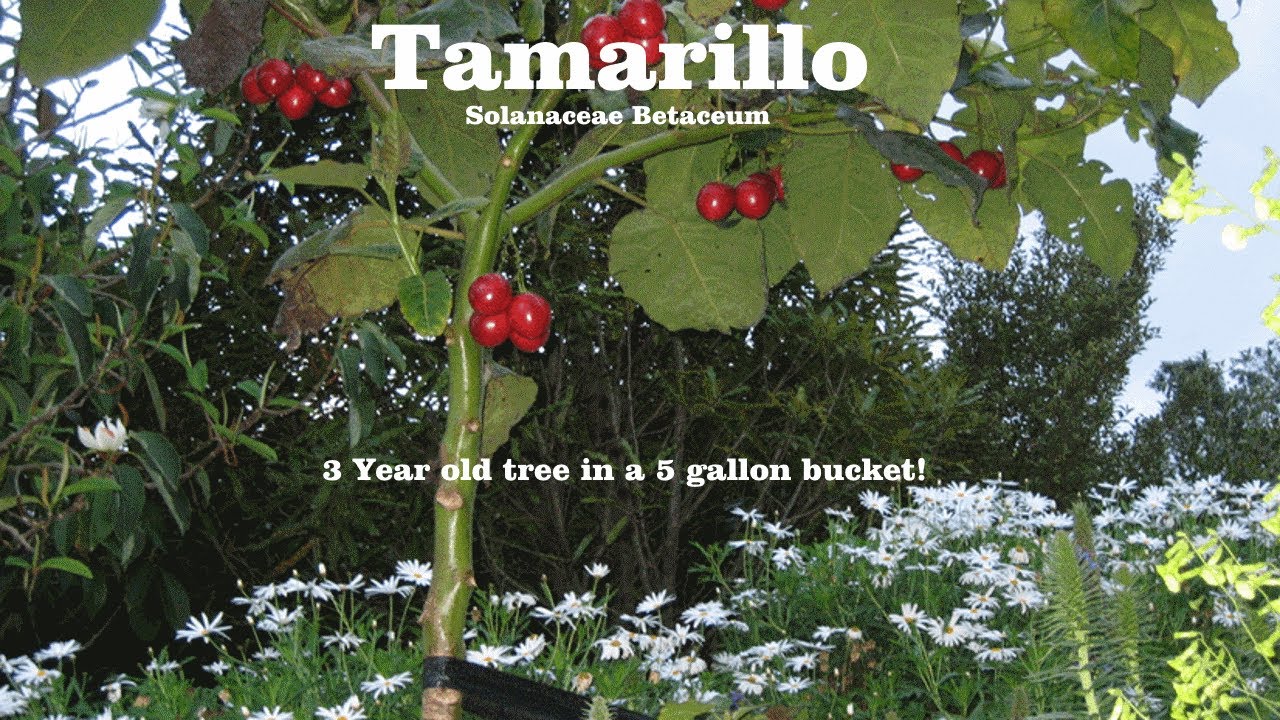
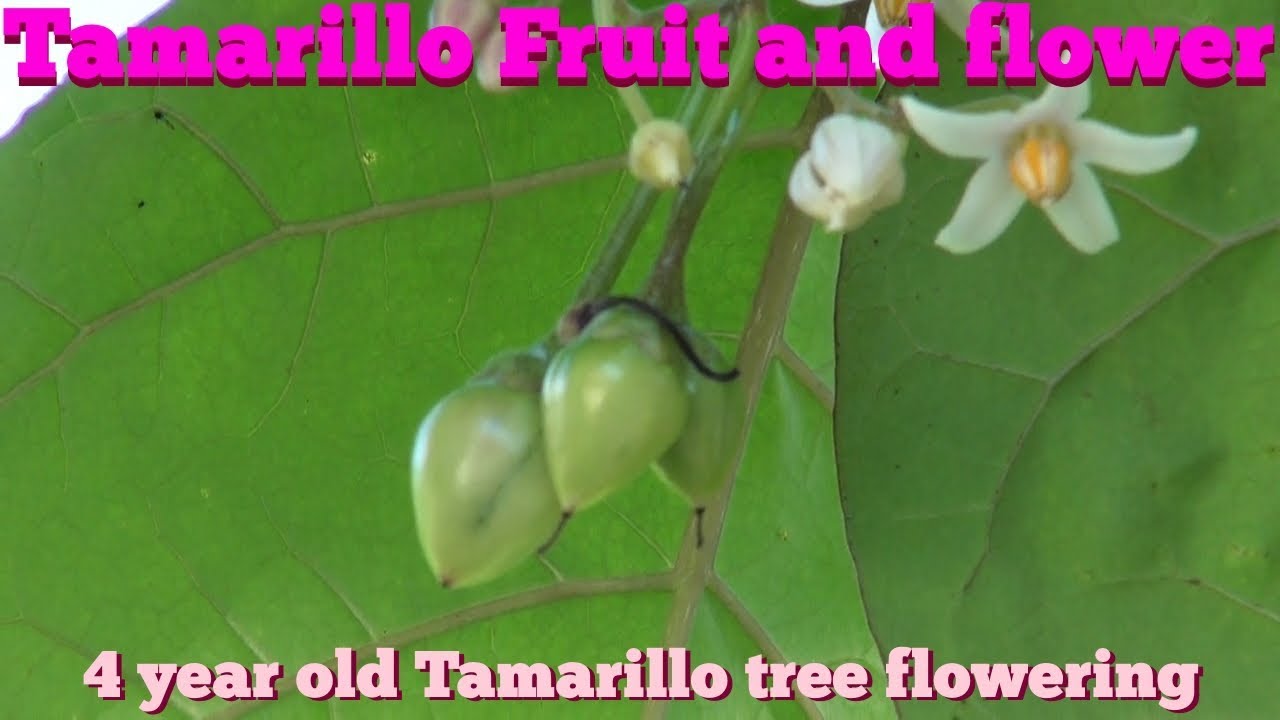
Tamarillo fruits are typically oval-shaped and come in various colors, including red, orange, yellow, and purple. The skin of the fruit is smooth and thin, while the flesh is juicy and divided into segments containing numerous small, edible seeds. There are two main varieties of tamarillo: red and yellow. The red tamarillo has a tangy and slightly sweet flavor, while the yellow variety is milder and sweeter in taste.
Culinary Uses
Tamarillo is a versatile fruit that can be enjoyed in a variety of culinary applications. It can be eaten raw, either by scooping out the flesh with a spoon or by slicing it and adding it to fruit salads. The tangy flavor of tamarillo pairs well with both sweet and savory dishes, making it a popular ingredient in sauces, chutneys, jams, and desserts. Tamarillo can also be juiced or blended into smoothies for a refreshing and nutritious beverage.
Nutritional Benefits
In addition to its delicious taste, tamarillo offers a range of health benefits due to its nutrient-rich profile. It is a good source of vitamins A, C, and E, as well as minerals like potassium and magnesium. These nutrients play a crucial role in supporting immune function, promoting healthy skin, and reducing the risk of chronic diseases. Tamarillo is also low in calories and high in fiber, making it a great choice for those looking to maintain a healthy weight and improve digestion.
Medicinal Uses
Beyond its culinary uses, tamarillo has been used in traditional medicine for its various health-promoting properties. The fruit is believed to have antioxidant and anti-inflammatory effects, which can help protect cells from damage and reduce inflammation in the body. Some studies suggest that tamarillo may also have antimicrobial properties, making it effective against certain types of bacteria and fungi.
Cultivation and Harvesting
Tamarillo trees are relatively easy to grow and thrive in subtropical and tropical climates with well-drained soil and plenty of sunlight. The trees can reach heights of up to 5 meters and produce fruit within 2 to 3 years of planting. Tamarillo fruits are typically harvested when they are fully ripe, as they do not continue to ripen once picked. The fruits should be handled with care to avoid bruising, as they have delicate skin.
Global Popularity
While tamarillo is native to South America, it is now cultivated in various regions around the world, including New Zealand, Australia, and Kenya. The fruit's unique flavor and nutritional benefits have contributed to its growing popularity in international markets. Tamarillo is often featured in gourmet dishes and specialty food products, showcasing its versatility and appeal to culinary enthusiasts.