Pink tecoma / Rosy trumpet tree


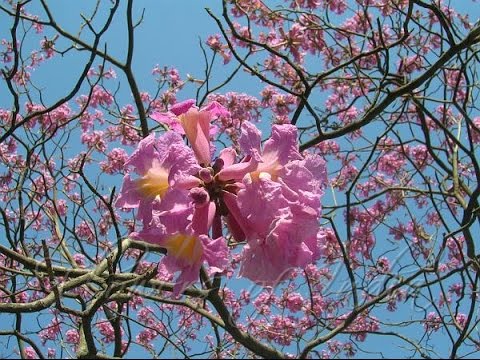
Tabebuia Rosea, commonly known as Pink Trumpet Tree or Rosy Trumpet Tree, is a species of flowering plant native to Central America and parts of South America. This stunning tree is renowned for its vibrant display of pink trumpet-shaped flowers that adorn its branches, creating a breathtaking sight when in full bloom.
Appearance and Growth Habit
Tabebuia Rosea is a deciduous tree that can reach heights of up to 30-40 feet, with a spread of 25-35 feet. Its canopy is typically rounded or oval in shape, providing ample shade and ornamental value. The tree's bark is grayish-brown and smooth, adding to its aesthetic appeal. The most striking feature of Tabebuia Rosea is undoubtedly its profusion of trumpet-shaped flowers, which range in color from soft pink to deep magenta. These blooms appear in clusters, creating a spectacular floral display that attracts pollinators such as bees and butterflies.
Cultivation and Care
Tabebuia Rosea thrives in tropical and subtropical climates, where it can be grown in a variety of soil types as long as they are well-draining. This tree prefers full sun exposure to partial shade and requires regular watering, especially during the dry season. While Tabebuia Rosea is relatively low-maintenance once established, occasional pruning may be necessary to maintain its shape and promote healthy growth. Fertilizing with a balanced fertilizer in the spring can also help enhance the tree's blooming potential.
Symbolism and Cultural Significance
In many cultures, Tabebuia Rosea is revered for its beauty and symbolism. The pink trumpet flowers are often associated with love, femininity, and grace, making them a popular choice for ornamental gardens and landscaping. In some regions, the tree is considered a symbol of resilience and endurance, as it can withstand harsh environmental conditions and still produce stunning blooms year after year. Tabebuia Rosea's presence in urban landscapes also serves as a reminder of the importance of preserving biodiversity and green spaces in our communities.
Ecological Importance
Beyond its ornamental value, Tabebuia Rosea plays a crucial role in supporting local ecosystems. The tree's nectar-rich flowers attract pollinators, such as bees and hummingbirds, which help facilitate the reproduction of other plant species. Additionally, Tabebuia Rosea provides shelter and nesting sites for birds and small mammals, contributing to the overall biodiversity of its habitat. By planting and preserving Tabebuia Rosea trees, we can help maintain a healthy and balanced ecosystem for future generations to enjoy.
Medicinal and Therapeutic Uses
In traditional medicine, various parts of the Tabebuia Rosea tree have been used for their medicinal properties. The bark, in particular, is believed to have anti-inflammatory and analgesic properties, making it a popular remedy for conditions such as arthritis and rheumatism. Additionally, extracts from the tree's leaves and flowers have been studied for their potential antioxidant and antimicrobial effects, highlighting the diverse therapeutic potential of Tabebuia Rosea.