Soil pH Effects
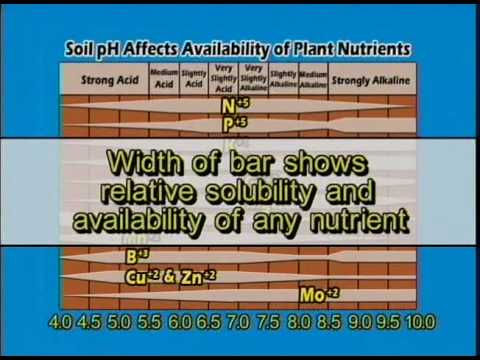
Soil pH is a critical factor in determining the health and productivity of plants. It measures the acidity or alkalinity of the soil, which can significantly influence plant growth, nutrient availability, and microbial activity. Understanding soil pH and its effects is essential for gardeners, farmers, and environmental scientists alike.
What is Soil pH?
Soil pH is a scale that ranges from 0 to 14, with 7 being neutral. Values below 7 indicate acidic soil, while values above 7 indicate alkaline soil. The pH scale is logarithmic, meaning each whole number change represents a tenfold increase or decrease in acidity. For example, a soil pH of 6 is ten times more acidic than a soil pH of 7.
Importance of Soil pH
The pH level of soil affects several key aspects of plant and soil health:
- Nutrient Availability: Soil pH influences the availability of essential nutrients. Most nutrients are readily available to plants when the soil pH is between 6 and 7. Outside this range, certain nutrients may become less available, leading to deficiencies or toxicities.
- Microbial Activity: Soil microorganisms, which play a crucial role in nutrient cycling and organic matter decomposition, are sensitive to pH changes. Optimal microbial activity generally occurs in soils with a pH between 6 and 7.5.
- Plant Growth: Different plants have varying pH preferences. Some plants thrive in acidic soils, while others prefer alkaline conditions. Understanding the pH preference of specific plants can help in selecting the right crops for a given soil type.
Effects of Acidic Soil
Acidic soils, with a pH below 7, can have several effects on plant growth and soil health:
- Nutrient Deficiencies: In acidic soils, essential nutrients like phosphorus, calcium, and magnesium may become less available, leading to deficiencies that can stunt plant growth.
- Aluminum Toxicity: High acidity can increase the solubility of aluminum, which can be toxic to plant roots and inhibit their growth.
- Reduced Microbial Activity: Acidic conditions can suppress beneficial microbial activity, affecting nutrient cycling and organic matter breakdown.
Effects of Alkaline Soil
Alkaline soils, with a pH above 7, also present challenges:
- Nutrient Imbalances: Alkaline conditions can lead to deficiencies in nutrients such as iron, manganese, and zinc, which are less soluble at higher pH levels.
- Poor Plant Growth: Many plants struggle to grow in alkaline soils due to nutrient imbalances and reduced availability of certain nutrients.
- Reduced Microbial Diversity: Alkaline soils may support a less diverse microbial community, impacting soil health and fertility.
Managing Soil pH
Adjusting soil pH to suit plant needs is a common practice in agriculture and gardening. Here are some strategies for managing soil pH:
- Lime Application: Adding lime (calcium carbonate) is a common method to raise soil pH and reduce acidity. The amount of lime needed depends on the current pH and soil type.
- Sulfur Application: To lower soil pH and increase acidity, elemental sulfur can be applied. This process is slower than liming and requires careful management.
- Organic Matter: Incorporating organic matter, such as compost, can help buffer soil pH and improve overall soil health.
- Choosing the Right Plants: Selecting plants that are well-suited to the existing soil pH can reduce the need for pH adjustments.
Testing Soil pH
Regular soil testing is essential for effective pH management. Soil pH can be tested using:
- pH Meters: Electronic pH meters provide quick and accurate readings of soil pH.
- pH Test Kits: These kits use chemical indicators to determine soil pH and are widely available for home gardeners.
- Professional Soil Testing: For precise results, professional soil testing services can provide detailed pH analysis and recommendations.