Bitternut Hickory
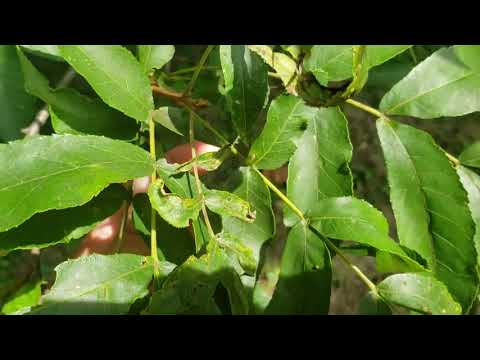
The Bitternut Hickory, scientifically known as Carya cordiformis, is a species of hickory native to North America. This deciduous tree belongs to the Juglandaceae family, which includes walnuts and pecans. It is commonly found in the eastern United States and southeastern Canada, thriving in a variety of habitats from wet bottomlands to dry upland forests.
Physical Characteristics
The Bitternut Hickory tree is known for its tall and straight trunk, which can reach heights of 50 to 80 feet at maturity. Its crown is open and rounded, with pinnately compound leaves that turn a vibrant golden-yellow in the fall before shedding. The bark of young trees is smooth and gray, gradually becoming ridged and furrowed as the tree ages.
One of the key identifying features of the Bitternut Hickory is its fruit, which is a small, round nut enclosed in a thin husk. The nut itself is bitter, hence the tree's common name, and is not typically consumed by humans. However, it serves as an important food source for wildlife such as squirrels, chipmunks, and birds.
Ecological Importance
As a native tree species, the Bitternut Hickory plays a vital role in its ecosystem. Its nuts provide essential nutrition for wildlife, contributing to the overall biodiversity of the forests where it grows. Additionally, the tree's deep root system helps prevent soil erosion and improves water retention in the soil.
The Bitternut Hickory is also valued for its wood, which is strong, durable, and shock-resistant. This hardwood is used in a variety of applications, including furniture-making, tool handles, and flooring. The tree's wood is prized for its light color and attractive grain, making it a popular choice for both functional and decorative purposes.
Cultivation and Landscaping
While the Bitternut Hickory is primarily a forest tree, it can also be cultivated for landscaping purposes. Its tall, straight trunk and golden fall foliage make it an attractive addition to parks, large yards, and other open spaces. When grown in a suitable environment, the tree is relatively low-maintenance and can provide shade and wildlife habitat.
When planting Bitternut Hickory trees, it is important to choose a location with well-drained soil and ample sunlight. The tree is tolerant of a wide range of soil types but prefers moist, fertile conditions. Regular watering and mulching can help young trees establish strong root systems and thrive in their new environment.