Cloud Grass
An ornamental plant native to Portugal and Spain.
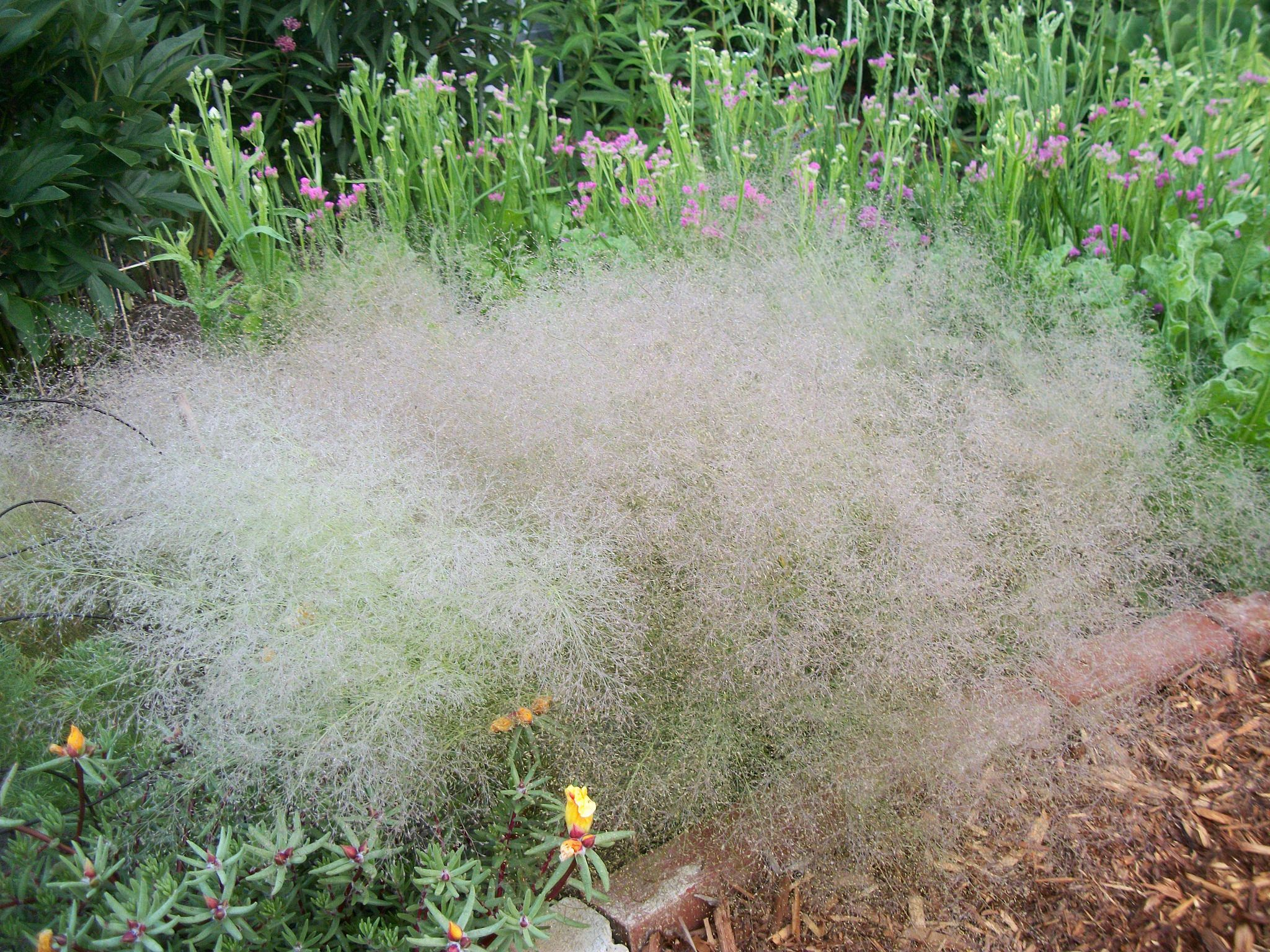
Cloud Grass, scientifically known as Agrostis Nebulosa, is a captivating ornamental grass that has gained popularity in gardens and floral arrangements due to its delicate and airy appearance. This annual grass, native to the Mediterranean region, is celebrated for its fine, feathery plumes that resemble a soft, ethereal cloud, hence the name "Cloud Grass."
Botanical Characteristics
Appearance
Cloud Grass is characterized by its slender, wiry stems that can reach heights of 12 to 24 inches. The grass produces fine, hair-like inflorescences that create a misty, cloud-like effect. These inflorescences are typically a pale green when they first emerge, gradually maturing to a light tan or beige color. The overall texture of Cloud Grass is soft and wispy, making it a perfect addition to any garden or floral arrangement seeking a touch of elegance and lightness.
Growth Habit
Agrostis Nebulosa is an annual grass, meaning it completes its life cycle within one growing season. It thrives in well-drained soils and prefers full sun to partial shade. The grass is relatively low-maintenance, requiring minimal watering once established. It is also known for its ability to self-seed, which can be advantageous for gardeners looking to maintain a continuous presence of this ornamental grass in their landscapes.
Cultivation and Care
Soil and Planting
Cloud Grass prefers well-drained, sandy or loamy soils. It is important to avoid heavy clay soils, which can retain too much moisture and lead to root rot. When planting, sow the seeds directly into the soil after the last frost date. Lightly cover the seeds with soil and keep the area moist until germination, which typically occurs within 10 to 14 days.
Watering and Fertilization
Once established, Cloud Grass is relatively drought-tolerant. However, regular watering during dry periods will help maintain its lush appearance. Overwatering should be avoided to prevent root rot. Fertilization is generally not necessary, but a light application of a balanced, slow-release fertilizer can be applied at the beginning of the growing season to promote healthy growth.
Maintenance
Cloud Grass requires minimal maintenance. Deadheading, or removing spent flower heads, can encourage additional blooming and prevent unwanted self-seeding. At the end of the growing season, the grass can be cut back to the ground to tidy up the garden and prepare for the next planting season.
Uses in Garden Design
Ornamental Value
The ethereal quality of Cloud Grass makes it a versatile addition to various garden styles. It can be used as a filler plant in borders, adding a soft, airy texture that contrasts beautifully with more structured plants. Its delicate plumes also make it an excellent choice for container gardens, where it can add height and movement.
Companion Planting
Cloud Grass pairs well with a variety of other plants. Its neutral color and fine texture complement bold, colorful blooms such as roses, dahlias, and zinnias. It also works well with other ornamental grasses and perennials like lavender, salvia, and echinacea, creating a harmonious and visually appealing garden design.
Floral Arrangements
In addition to its use in garden design, Cloud Grass is highly valued in the floral industry. Its delicate plumes add a touch of elegance and softness to bouquets and arrangements. The grass can be used fresh or dried, making it a versatile material for both seasonal and year-round floral designs.
Ecological Benefits
Wildlife Attraction
While primarily grown for its ornamental value, Cloud Grass can also provide ecological benefits. The grass's fine seeds can attract small birds, and its dense foliage can offer shelter for beneficial insects. By incorporating Cloud Grass into a garden, gardeners can contribute to local biodiversity and support a healthy ecosystem.
Soil Health
As an annual grass, Cloud Grass can help improve soil health by preventing erosion and adding organic matter to the soil as it decomposes. Its root system can also help aerate the soil, promoting better water infiltration and root growth for neighboring plants.