Periodic Paralysis
A group of rare genetic diseases that lead to weakness or paralysis from common triggers such as cold, heat, high carbohydrate meals, not eating, stress or excitement and physical activity of any kind.
Videos

Temporary Paralyzed?! What is Periodic Paralysis? Who is the PPA?

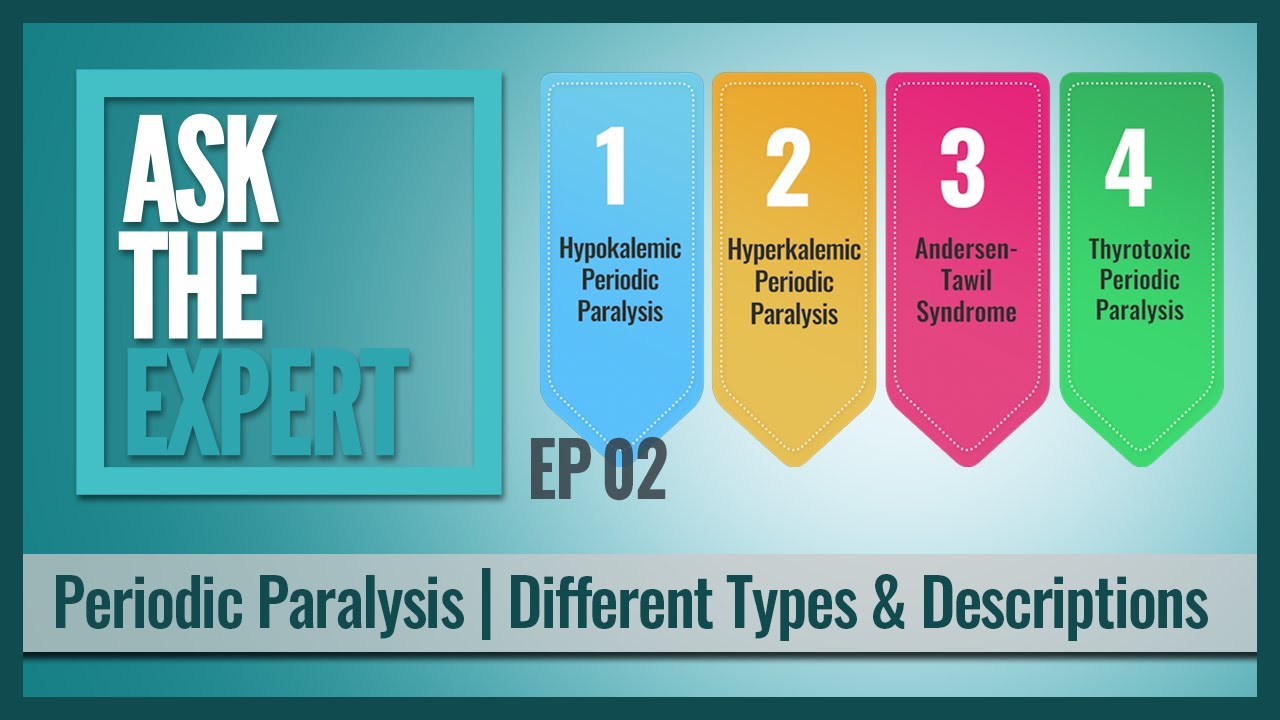
Different Types of Periodic Paralysis | Neurologist Lists Various Forms Of Rare Disease
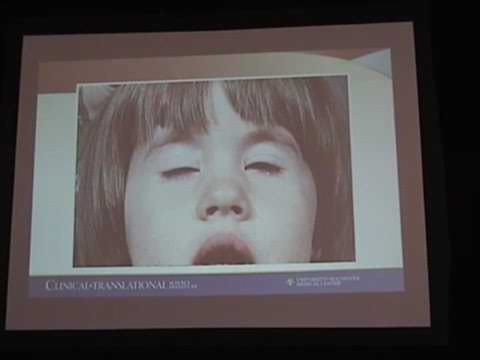
Permanent Muscle Loss or Weakness from Periodic Paralysis

Challenges in Periodic Paralysis Dr Robert Griggs
2020 Periodic Paralysis Association Conference Webinar
2018 Conference
Periodic Paralysis is a group of rare genetic disorders characterized by episodes of muscle weakness or paralysis. These episodes can vary in frequency and severity, and they are often triggered by factors such as diet, exercise, or stress.
TYPES OF PERIODIC PARALYSIS
Periodic Paralysis is primarily divided into two main types based on the underlying cause and the nature of the episodes:
- Hypokalemic Periodic Paralysis (HypoPP):
* This type is characterized by low levels of potassium in the blood during episodes of muscle weakness.
* Triggers can include high carbohydrate meals, rest after exercise, or stress.
* Symptoms often begin in childhood or adolescence.
- Hyperkalemic Periodic Paralysis (HyperPP):
* In this type, episodes are associated with high levels of potassium in the blood.
* Triggers can include fasting, rest after exercise, or consuming potassium-rich foods.
* Symptoms may appear in infancy or early childhood.
- Andersen-Tawil Syndrome:
* A rarer form of Periodic Paralysis that includes features such as cardiac arrhythmias and distinct physical characteristics.
* Episodes can be triggered by similar factors as HypoPP and HyperPP.
Causes and Genetic Factors
Periodic Paralysis is typically caused by mutations in genes that are responsible for the function of ion channels in muscle cells. These ion channels regulate the flow of ions such as potassium, sodium, and calcium, which are crucial for muscle contraction and relaxation. The most commonly affected genes include:
- CACNA1S: Mutations in this gene are often associated with HypoPP.
- SCN4A: Mutations in this gene can cause both HypoPP and HyperPP.
- KCNJ2: Mutations in this gene are linked to Andersen-Tawil Syndrome.
These genetic mutations are usually inherited in an autosomal dominant pattern, meaning a single copy of the mutated gene from one parent can cause the disorder.
Symptoms and Diagnosis
The primary symptom of Periodic Paralysis is episodic muscle weakness or paralysis, which can last from a few hours to several days. Other symptoms may include:
- Muscle pain or cramping
- Fatigue
- Abnormal heart rhythms (particularly in Andersen-Tawil Syndrome)
Diagnosis typically involves a combination of clinical evaluation, family history, and genetic testing. Blood tests to measure potassium levels during an episode can also aid in diagnosis. Electromyography (EMG) and muscle biopsy may be used to assess muscle function and structure.
Management and Treatment
While there is no cure for Periodic Paralysis, several strategies can help manage symptoms and reduce the frequency of episodes:
- Dietary Modifications:
- For HypoPP, a diet low in carbohydrates and high in potassium may be beneficial.
- For HyperPP, avoiding potassium-rich foods and fasting can help prevent episodes.
- Medications:
- Carbonic anhydrase inhibitors, such as acetazolamide, can help stabilize ion channels and reduce episode frequency.
- Potassium supplements or diuretics may be prescribed depending on the type of Periodic Paralysis.
- Lifestyle Adjustments:
- Regular, moderate exercise can help maintain muscle strength and prevent episodes.
- Stress management techniques, such as yoga or meditation, may also be beneficial.
- Emergency Management:
- In severe cases, hospitalization may be required to manage acute episodes, particularly if breathing or heart function is affected.
Living with Periodic Paralysis
Living with Periodic Paralysis can be challenging, but with proper management, individuals can lead fulfilling lives. Support from healthcare providers, family, and patient support groups can provide valuable resources and emotional support. Ongoing research continues to improve our understanding of the condition and develop more effective treatments.