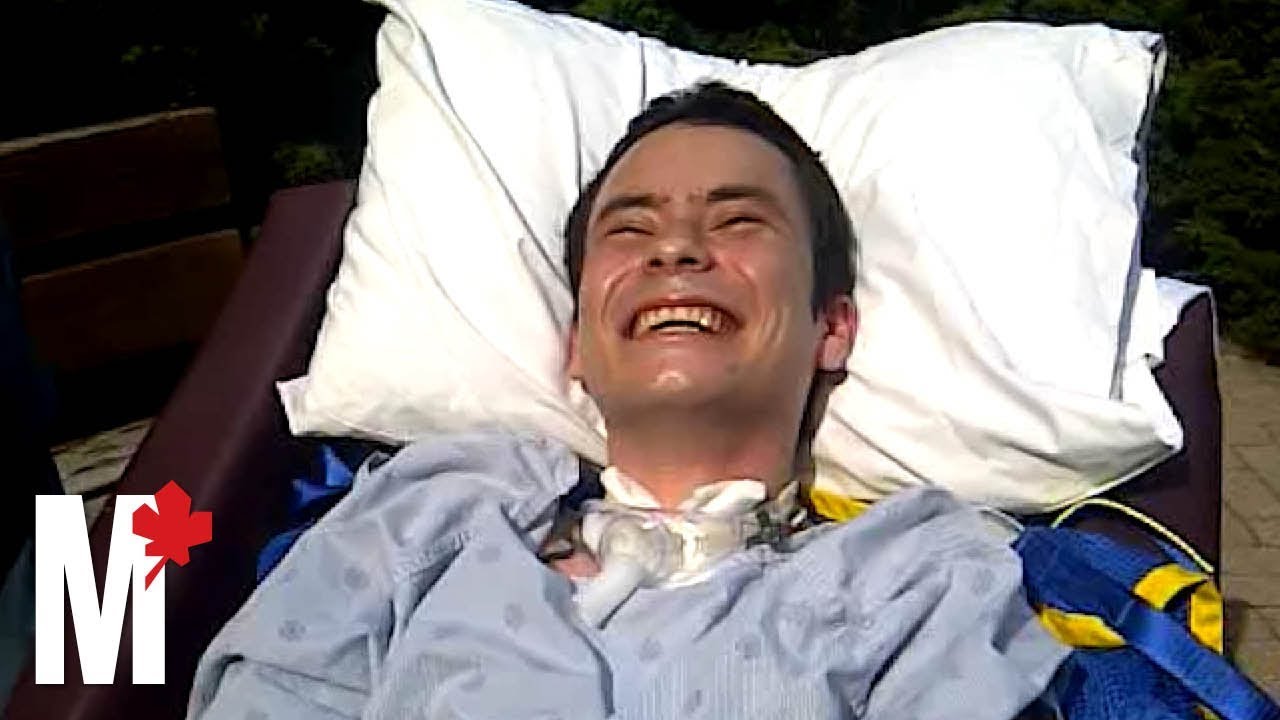
Persistent vegetative state (PVS)
What is PVS?
- A state of wakefulness without awareness of oneself or the environment.
- The person may open their eyes, have sleep-wake cycles, and exhibit basic reflexes like swallowing and coughing.
- However, they show no evidence of conscious thought, feeling, or interaction with their surroundings.
Symptoms:
- No response to stimuli (voice, touch, pain)
- No purposeful movements
- No verbal communication
- May display automatic behaviors like blinking or groaning
Causes:
- Severe brain damage due to various factors like:
- Head injury
- Stroke
- Anoxia (lack of oxygen to the brain)
- Encephalitis (brain inflammation)
- Tumors
Diagnosis:
- Requires careful clinical assessment by a healthcare professional using standardized tools like the Coma Recovery Scale-Revised (CRS-R).
- Imaging tests like MRI or CT scan may be performed to identify the underlying cause.
- Differentiating PVS from other conditions like minimally conscious state (MCS) can be challenging and requires careful evaluation over time.
Prognosis:
- Varies depending on the cause and severity of the brain damage.
- Some individuals may recover consciousness, while others may remain in PVS permanently.
- Early diagnosis and treatment of the underlying cause can improve the chances of recovery.
Important Points:
- PVS is not the same as coma, which is a state of unconsciousness.
- People in PVS are not in pain or aware of their surroundings.
- The ethical and legal considerations surrounding PVS are complex and require careful thought and discussion.
What is a persistent vegetative state?

The Mystery of Consciousness and the Vegetative State
Juan Torres: A vegetative patient's shocking recovery