Blue Bugle / Upright Bugle
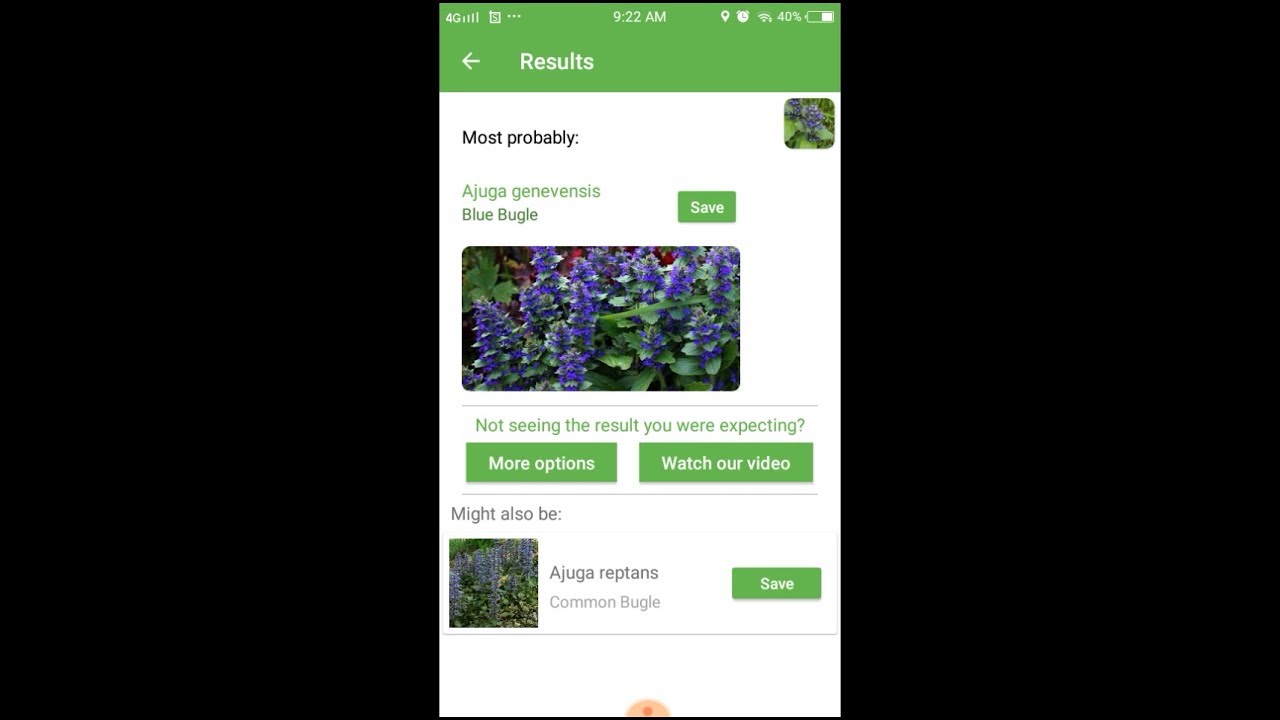
Ajuga genevensis, or Geneva bugle weed, is one of the taller varieties. It has very dense, dark green leaves, which can grow to 4–5 in (10–12 cm) in length, and produce spikes 6–12 in (15–30 cm) high with either pink or blue flowers in clusters along the spike.
Beside its horticultural use as an attractive spreading ground cover in rock gardens and other types of gardens, bugle weed is useful medicinally for several different purposes. It is an astringent, and is considered to have sedative qualities as well. It can calm anxiety symptoms, including heart palpitations. It is a valued cough suppressant. In old herbal remedy books such as Thayer's Fluid and Solid Extracts, and even in the more recent A Modern Herbal, the authors state that in addition to cough suppression, bugle weed is also useful for healing tuberculosis and stopping bleeding from the lungs. It has long been recognized in Western herbal medicine as a cardiac tonic and can actually slow a rapid heart rate and improve the functioning of a weak heart by increasing the strength of the heartbeat. Because of its diuretic properties, bugle weed is useful in removing excess fluid from the body and thus improving circulation. It has been shown to inhibit the body's metabolism of iodine, and is helpful for this reason in treating hyperthyroidism. Poultices containing bugle weed leaves in combination with other herbs have been found to speed the healing of bruised areas. Lastly, bugle weed is useful in weaning babies as it helps to suppress the production of breast milk.
Preparations
All parts of the bugle weed that grow above ground are used in herbal medicine. It is collected in early spring before the flower buds open. The entire plant is dried and pulverized, and used as a decoction or tea. The tea is made by pouring a cup of boiling water over one teaspoonful of dried bugle weed, and allowing this mixture to steep for 10–15 minutes. This tea may be taken three times a day. A bugle weed tincture is also available. Poultices are made from the leaves, stems and flower buds, steeped in boiling hot water. Clean white cloth is soaked in this mixture, cooled until warm but not hot enough to burn the patient, and applied to the bruised area.
PRECAUTIONS
Bugle weed should not be used internally if a person has a thyroid condition unless they have consulted a physician or health care practitioner. Because of bugle weed's influence on thyroid function and its ability to reduce secretions (including breast milk), it should be used only for short periods and prescribed by a trained practitioner.
In addition, plants in the mint family, which includes bugle weed, are high in methyl salicylate. This compound causes allergies in some people.