Active Transport
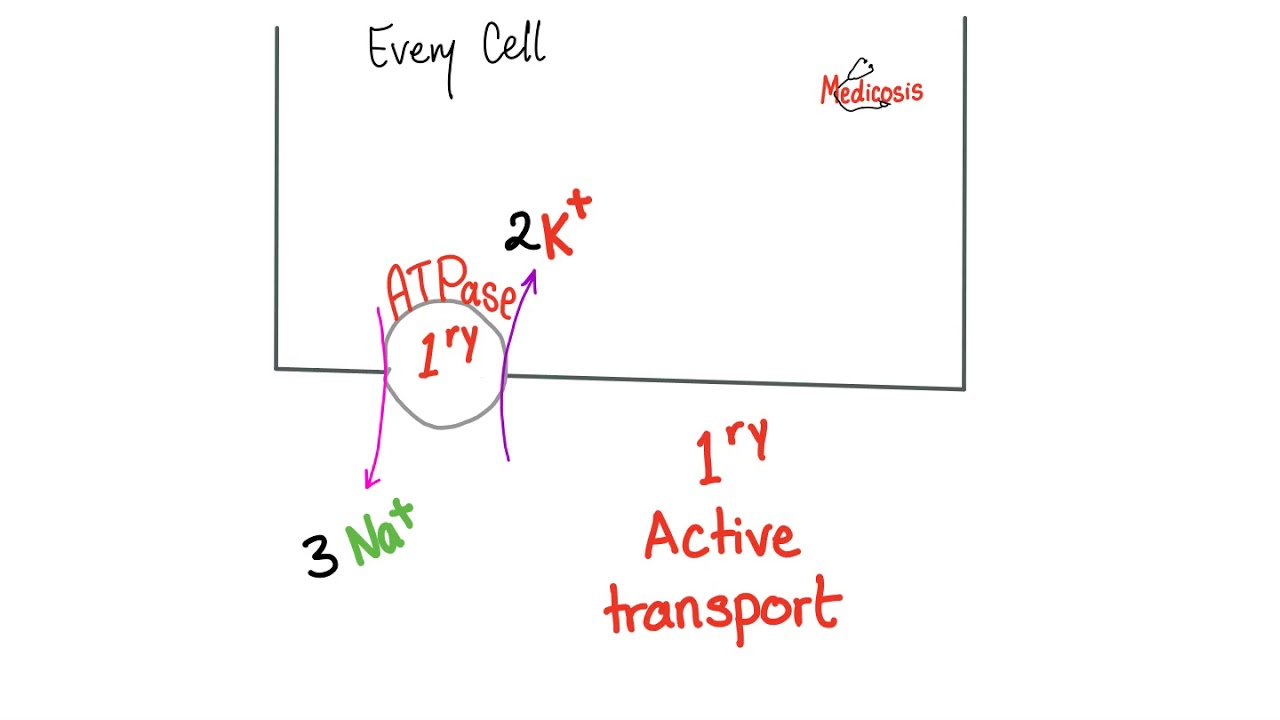
Active transport is a fundamental biological process that involves the movement of molecules across cell membranes against their concentration gradient. This process is essential for maintaining cellular homeostasis and enabling various physiological functions. Unlike passive transport, which relies on the natural diffusion of molecules from areas of high concentration to low concentration, active transport requires energy input, typically in the form of adenosine triphosphate (ATP).
Key Features of Active Transport
Energy Requirement
One of the defining characteristics of active transport is its reliance on energy. Cells utilize ATP to fuel the transport proteins that move molecules across the membrane. This energy expenditure is necessary because active transport works against the natural diffusion gradient, moving substances from areas of lower concentration to areas of higher concentration.
Transport Proteins
Active transport involves specific transport proteins embedded in the cell membrane. These proteins are highly selective, often designed to transport only one type of molecule or ion. There are two main types of transport proteins involved in active transport:
- Carrier Proteins: These proteins bind to the molecule they transport, undergo a conformational change, and release the molecule on the other side of the membrane.
- Pump Proteins: These proteins use ATP to pump molecules across the membrane. A well-known example is the sodium-potassium pump, which maintains the electrochemical gradient in nerve cells.
Types of Active Transport
Active transport can be classified into two main types: primary active transport and secondary active transport.
Primary Active Transport
In primary active transport, the energy for moving molecules comes directly from the hydrolysis of ATP. The sodium-potassium pump is a classic example of primary active transport. This pump moves three sodium ions out of the cell and two potassium ions into the cell, both against their concentration gradients. This process is crucial for maintaining the cell's membrane potential and overall cellular function.
Secondary Active Transport
Secondary active transport, also known as co-transport, does not use ATP directly. Instead, it relies on the electrochemical gradient established by primary active transport. There are two subtypes of secondary active transport:
- Symport: Both molecules move in the same direction across the membrane. An example is the glucose-sodium symporter, which uses the sodium gradient to transport glucose into the cell.
- Antiport: The molecules move in opposite directions. An example is the sodium-calcium exchanger, which moves sodium ions into the cell while expelling calcium ions.
Biological Significance
Active transport is vital for numerous cellular processes and overall organismal health. Some of its key roles include:
- Nutrient Uptake: Cells often need to absorb nutrients from their environment, even when the concentration of these nutrients is higher inside the cell. Active transport allows for the uptake of essential molecules like glucose and amino acids.
- Waste Removal: Cells must expel waste products and toxins to maintain a healthy internal environment. Active transport mechanisms help remove these substances against their concentration gradients.
- Ion Balance: Maintaining the correct balance of ions inside and outside the cell is crucial for functions such as nerve impulse transmission and muscle contraction. Active transport helps regulate ion concentrations, ensuring proper cellular function.
- pH Regulation: Cells need to maintain a stable pH to function correctly. Active transport mechanisms help regulate the internal pH by moving hydrogen ions in and out of the cell.
Examples in Human Physiology
Active transport plays a critical role in various physiological processes in the human body:
- Nerve Function: The sodium-potassium pump is essential for generating and maintaining the resting membrane potential in neurons, enabling the transmission of nerve impulses.
- Kidney Function: The kidneys use active transport to reabsorb essential ions and nutrients from the filtrate, ensuring that these substances are not lost in urine.
- Digestive System: Active transport mechanisms in the intestines allow for the absorption of nutrients from digested food, even when their concentrations are higher in the intestinal cells than in the gut lumen.