Barbados Cherry
Malpighia glabra is a tropical fruit-bearing shrub or small tree in the family Malpighiaceae. It has often been confused with the cultivated crop tree M. emarginata, but has small insipid fruit and a very different flower structure - Wikipedia
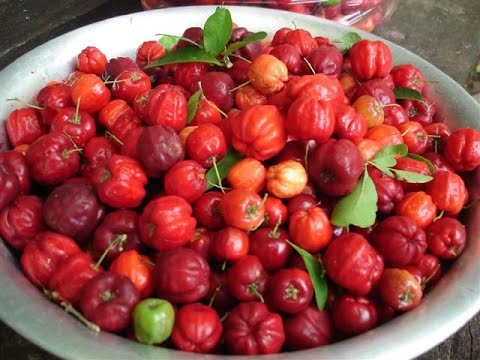
The Barbados Cherry, scientifically known as Malpighia glabra, is a tropical fruit-bearing shrub or small tree that is highly valued for its nutritional benefits and ornamental appeal. Native to the Caribbean, Central America, and northern South America, this plant has gained popularity in various parts of the world due to its vibrant fruits and health benefits.
Description
The Barbados Cherry is a small, bushy tree that typically grows to a height of 3 to 10 feet, although it can reach up to 20 feet under optimal conditions. It features glossy, dark green leaves that are oval-shaped and about 1 to 2 inches long. The plant produces small, pink to white flowers that are about 1 inch in diameter, which are followed by the development of its distinctive fruit.
The fruit of the Barbados Cherry is small, round, and bright red when ripe, resembling a cherry in appearance. Each fruit is approximately 1 to 2 centimeters in diameter and contains three small seeds. The flesh is juicy and has a tart, sweet flavor that is often compared to that of a sour apple or a cranberry.
Nutritional Benefits
One of the most notable aspects of the Barbados Cherry is its exceptional vitamin C content. In fact, it is one of the richest natural sources of vitamin C, with a single fruit containing as much as 65 times the vitamin C found in an orange. This makes it an excellent choice for boosting the immune system and promoting overall health.
In addition to vitamin C, the Barbados Cherry is also a good source of other essential nutrients, including:
- Vitamin A
- Vitamin B1 (Thiamine)
- Vitamin B2 (Riboflavin)
- Vitamin B3 (Niacin)
- Iron
- Calcium
- Phosphorus
These nutrients contribute to various health benefits, such as improved vision, enhanced skin health, and better bone strength.
Cultivation
The Barbados Cherry thrives in warm, tropical climates and is well-suited for growth in USDA hardiness zones 9 through 11. It prefers well-drained, sandy soils and requires full sun exposure to produce the best fruit yield. The plant is relatively drought-tolerant once established, but regular watering is necessary during dry spells to ensure healthy growth and fruit production.
Propagation of the Barbados Cherry is typically done through seeds or cuttings. When grown from seed, the plant may take several years to bear fruit, whereas cuttings can produce fruit within a shorter timeframe. Pruning is recommended to maintain the desired shape and size of the plant, as well as to encourage better air circulation and sunlight penetration.
Uses
The Barbados Cherry is highly versatile and can be used in a variety of culinary applications. Its tart flavor makes it an excellent ingredient for:
- Juices and smoothies
- Jams and jellies
- Desserts and pastries
- Sauces and marinades
In addition to its culinary uses, the fruit is often consumed fresh or dried as a healthy snack. The high vitamin C content also makes it a popular ingredient in dietary supplements and health products.
Ornamental Value
Beyond its nutritional benefits, the Barbados Cherry is also valued for its ornamental appeal. Its attractive foliage, delicate flowers, and bright red fruits make it a popular choice for landscaping and garden design. The plant can be grown as a standalone specimen, in hedges, or as part of a mixed border.
Challenges and Considerations
While the Barbados Cherry is relatively easy to grow, there are a few challenges and considerations to keep in mind:
- Pests and Diseases: The plant can be susceptible to pests such as aphids, scale insects, and fruit flies. Regular monitoring and appropriate pest control measures are essential to prevent infestations.
- Cold Sensitivity: The Barbados Cherry is sensitive to cold temperatures and may suffer damage or die back in frost-prone areas. Providing protection during cold spells is crucial for its survival.
- Soil Requirements: Although adaptable to various soil types, the plant performs best in well-drained, sandy soils. Poor drainage can lead to root rot and other issues.