Ambroxol

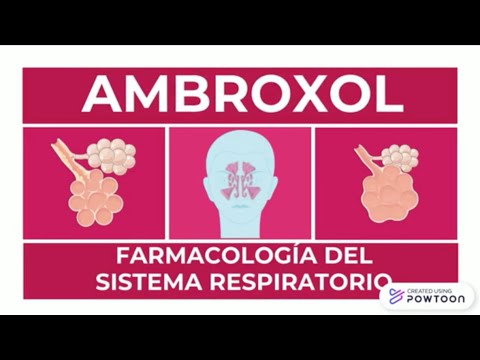
Extracts of thyme and primrose with the addition of thymol was comparable to synthetic ambroxol.
Ambroxol is a well-known medication primarily used as a mucolytic agent, which means it helps in breaking down mucus, making it easier to cough up. It is commonly prescribed for respiratory conditions where mucus production is a problem, such as chronic obstructive pulmonary disease (COPD), bronchitis, and asthma.
Mechanism of Action
Ambroxol works by enhancing the production of surfactant, a substance that reduces the stickiness of mucus, thereby facilitating its clearance from the respiratory tract. It stimulates the serous cells of the glands in the respiratory tract, leading to an increase in the production of a less viscous mucus. This action helps in thinning the mucus, making it easier to expel through coughing. Additionally, Ambroxol has been found to have anti-inflammatory properties, which can further aid in alleviating symptoms associated with respiratory conditions.
Therapeutic Uses
Ambroxol is primarily used in the treatment of respiratory diseases characterized by excessive or thickened mucus. Some of its common applications include:
- Chronic Obstructive Pulmonary Disease (COPD): Ambroxol helps in managing COPD by reducing mucus viscosity, thus improving airflow and reducing the frequency of exacerbations.
- Bronchitis: In both acute and chronic bronchitis, Ambroxol aids in clearing mucus, providing relief from cough and congestion.
- Asthma: While not a primary treatment for asthma, Ambroxol can be used as an adjunct therapy to help clear mucus from the airways.
- Cystic Fibrosis: It may be used to help manage mucus-related symptoms in cystic fibrosis, although its use in this condition is less common.
Dosage and Administration
Ambroxol is available in various forms, including tablets, syrups, and inhalation solutions. The dosage and form depend on the patient's age, the severity of the condition, and the specific product being used. It is crucial to follow the prescribed dosage and administration guidelines provided by a healthcare professional to ensure effectiveness and minimize the risk of side effects.
Side Effects
Like any medication, Ambroxol can cause side effects, although not everyone experiences them. Common side effects include:
- Gastrointestinal disturbances such as nausea, vomiting, and diarrhea.
- Allergic reactions, which may manifest as skin rashes or itching.
- Rarely, more severe reactions like anaphylaxis can occur, requiring immediate medical attention.
It is important to report any unusual or severe side effects to a healthcare provider promptly.
Precautions and Considerations
Before using Ambroxol, several factors should be considered:
- Allergies: Patients with known allergies to Ambroxol or any of its components should avoid using the medication.
- Pregnancy and Breastfeeding: The safety of Ambroxol during pregnancy and breastfeeding is not well-established. It should only be used if the potential benefits outweigh the risks, and under the guidance of a healthcare provider.
- Renal and Hepatic Impairment: Patients with kidney or liver problems should use Ambroxol with caution, as these conditions may affect the drug's metabolism and excretion.
Drug Interactions
Ambroxol may interact with other medications, potentially altering their effects. It is important to inform healthcare providers of all medications being taken, including over-the-counter drugs and supplements, to avoid potential interactions.