Nasal Polyps
Videos
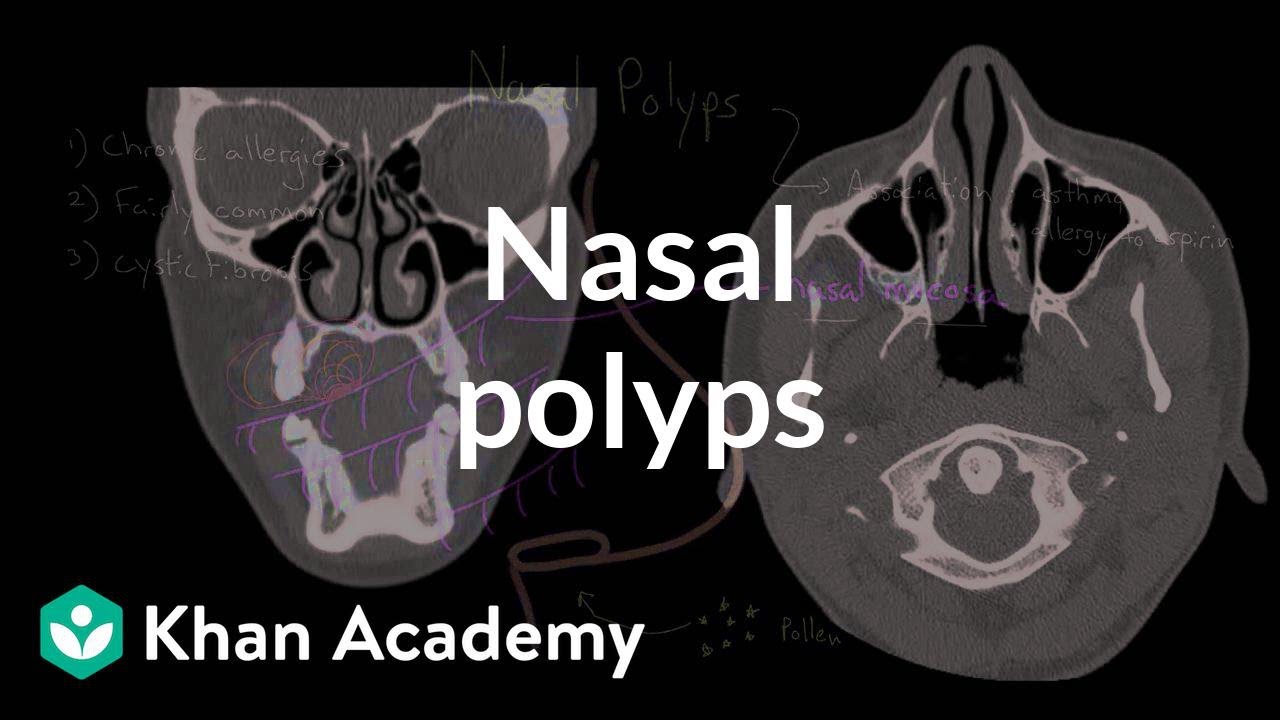
Causes:
Warning Signs

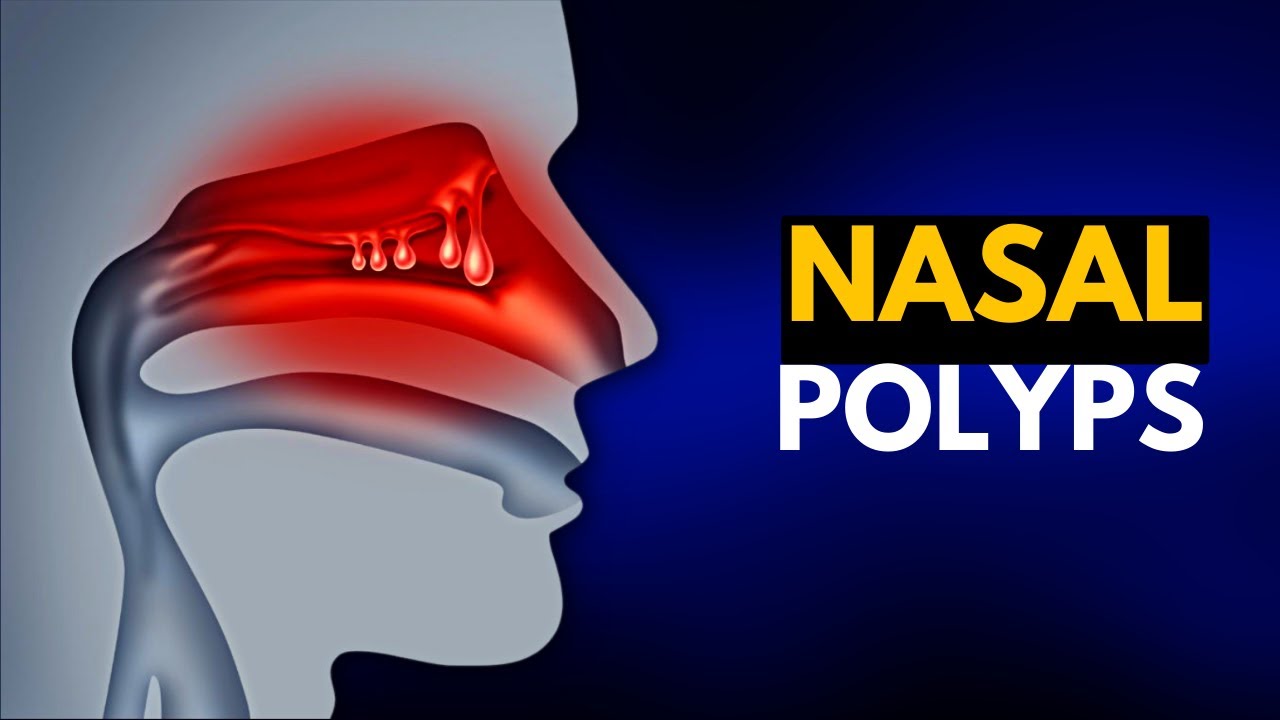
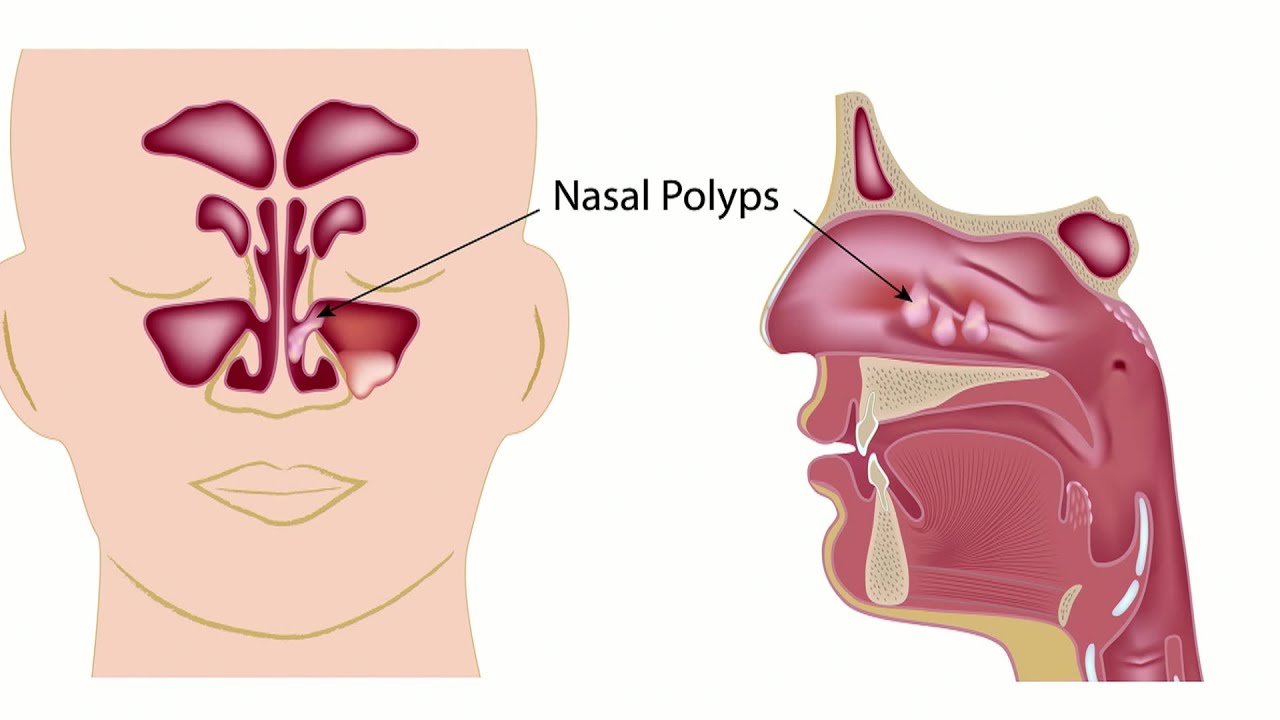
Benign growth in the mucous membranes known as polyps- quite common in occurrence and can affect anyone. The most common area likely to be affected by the formation of benign polyps is the nasal region. They can also form in the regions along the uterus and the lower area of the intestinal tract. Their shape on initial formation tends to be teardrop-like growths of tissues, tending to round up later into more grapelike shapes that seem to be attached by a stem of tissue along the area of growth. Bleeding is one of the symptoms, if any are present at all. The presence of polyps in an area tends to increase the production of mucus in that area of the body.
A nasal twang to speech can result if the polyps occur in the nose, as the presence of polyps can lead to blockage in the respiratory passages, furthermore, the presence of polyps can also affect the sense of smell and the person may have difficulty identifying odors. A mirror can be used to check for the presence of polyps-identification will depend on the size and the location of the growth in the affected region of the body. Surgical removal of nasal polyps is often carried out but the polyps formed in the nasal region have a tendency to recur after sometime has passed.
Nasal polyps tend to be benign in all cases, even when they recur, while some uterine and intestinal polyps have a possibility if turning cancerous, if they are left untreated for a long period of time.
A recurring irritation to the mucous membranes or an injury to membranes will tend to give rise to the polyps. These benign growths have a tendency to develop in response to some external factor. An incidence of hay fever caused by pollen, any recurring sinus infections or some types of allergies, such as an allergy to the medicine aspirin can lead to the formation of nasal polyps.
Supplements and herbs
Sufficient levels of the nutrients such as the vitamin A, beta-carotenes, along with the vitamin E must be present in the body to ensure the health of the mucous membranes. Supplements of the vitamin C along with the plant based natural substances known as bioflavonoids will promote the healing of affected tissues and will prevent the recurrence of all kinds of infections and allergies. All kinds of polyps forming in different regions of the body can be defeated by the use of these supplements-thus these compounds are suggested for daily use by individual already affected by polyps. Supplements of vitamin C are in particular suggested for use, in high doses and as long as they are tolerated by the bowels.
Nasal polyps which cause a lot of discomfort can be relieved by drinking a strong herbal infusion made from herbs such as the hayflowers and the steam of such an infusion can be inhaled on a regular and daily basis.
Existing nasal polyps can be reduced in size by taking part in regular sessions involving deep-breathing exercises, such external measures will also prevent the formation of polyps. These sessions of deep breathing exercise must last for ten minutes each morning, each afternoon and each evening every day as long as the polyps persist. The nasal region can also be rinsed on a regular basis using a solution made by mixing a cup of lukewarm water with half a tsp. of Epsom salts-this will prevent the formation of nasal polyps.
Powdered oak bark may be sniffed to treat nasal polyps
Usual dosage
Vitamin C, 1,000 mg of whole vitamin C complex
Vitamin E, from food
Vitamin A, 25,000 IU. Avoid taking vitamin A during pregnancy.
Herbs Used To Treat Nasal Polyps
Bayberryastringent tea as a snuff
Castor immune stimulant oil externally
Golden Sealcooling astringent tea as a snuff
Coptis