Sample Size
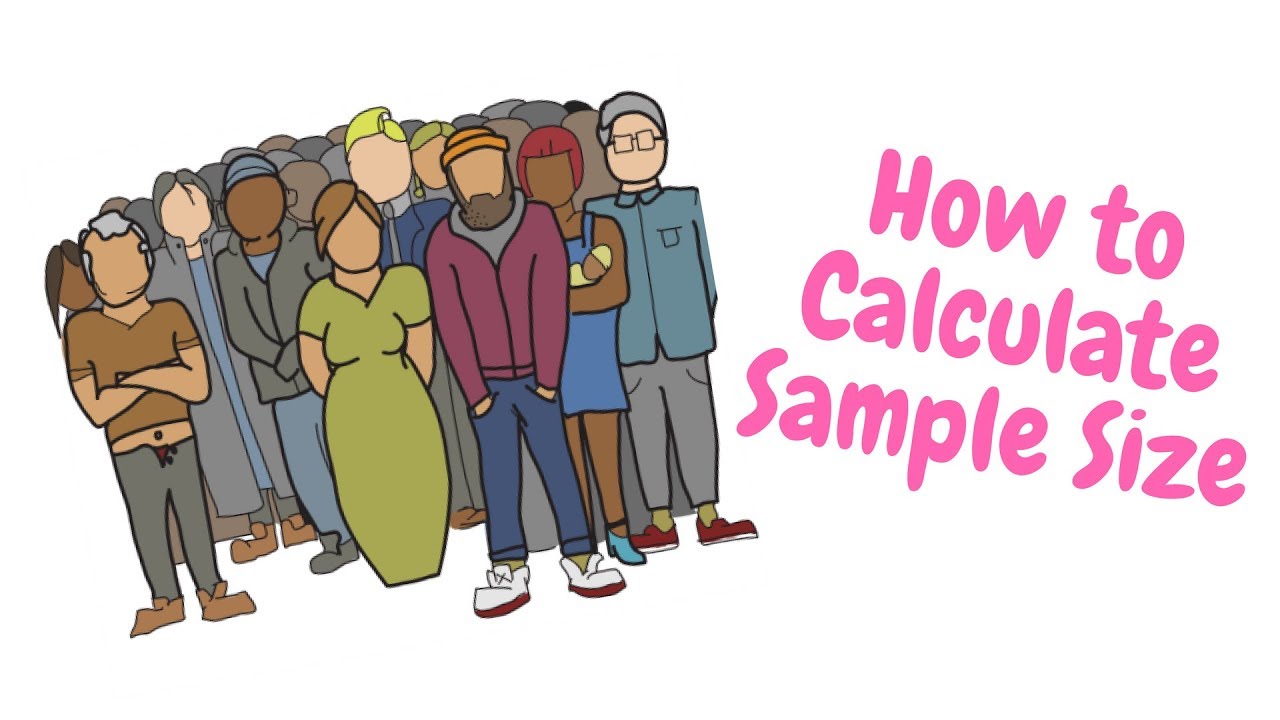

Population vs sample

Power, Type II error, and Sample Size

In the realm of empirical research, the concept of sample size is pivotal. It refers to the number of observations or data points collected in a study. The sample size is a critical factor that influences the reliability and validity of research findings. A well-chosen sample size can enhance the accuracy of the results, while an inadequate sample size can lead to misleading conclusions.
Importance of Sample Size
The sample size in empirical studies is crucial for several reasons:
- Statistical Power: A larger sample size increases the statistical power of a study, which is the probability of detecting an effect if there is one. This means that with a larger sample, researchers are more likely to identify true relationships between variables.
- Generalizability: A sufficient sample size ensures that the findings of a study can be generalized to the broader population. This is particularly important in studies aiming to apply their results to real-world settings.
- Precision: Larger samples provide more precise estimates of population parameters. This precision is reflected in narrower confidence intervals, which indicate a higher level of certainty about the estimated values.
- Error Reduction: A larger sample size reduces the margin of error, which is the range within which the true population parameter is expected to lie. This reduction in error enhances the credibility of the study's conclusions.
Determining the Appropriate Sample Size
Determining the appropriate sample size for a study involves several considerations:
- Research Objectives: The goals of the study will influence the required sample size. For instance, exploratory studies may require smaller samples, while confirmatory studies might need larger ones to validate hypotheses.
- Population Variability: The more variability there is in the population, the larger the sample size needed to accurately capture that diversity. High variability can obscure true effects, necessitating a larger sample to detect them.
- Effect Size: This refers to the magnitude of the difference or relationship being studied. Smaller effect sizes require larger samples to detect, while larger effect sizes can be identified with smaller samples.
- Significance Level: The significance level (commonly set at 0.05) is the threshold for determining whether an observed effect is statistically significant. A lower significance level requires a larger sample size to achieve the same power.
- Power Analysis: Conducting a power analysis helps researchers determine the minimum sample size needed to detect an effect of a given size with a certain level of confidence. This analysis considers the effect size, significance level, and desired power.
Challenges in Sample Size Determination
Despite its importance, determining the appropriate sample size can be challenging due to:
- Resource Constraints: Researchers often face limitations in terms of time, budget, and access to participants, which can restrict the feasible sample size.
- Ethical Considerations: In some fields, such as medical research, ethical concerns may limit the number of participants that can be included in a study.
- Complexity of Analysis: Some studies involve complex statistical analyses that require larger samples to ensure robust results. Balancing complexity with feasibility can be difficult.
Strategies for Addressing Sample Size Issues
Researchers can employ several strategies to address sample size challenges:
- Pilot Studies: Conducting a pilot study can provide preliminary data that helps estimate the necessary sample size for the main study.
- Adaptive Designs: These designs allow for modifications to the sample size based on interim results, providing flexibility in resource allocation.
- Collaboration: Partnering with other researchers or institutions can help pool resources and access larger participant pools.
- Use of Secondary Data: Utilizing existing datasets can supplement primary data collection and increase the overall sample size.