Canine Osteosarcoma
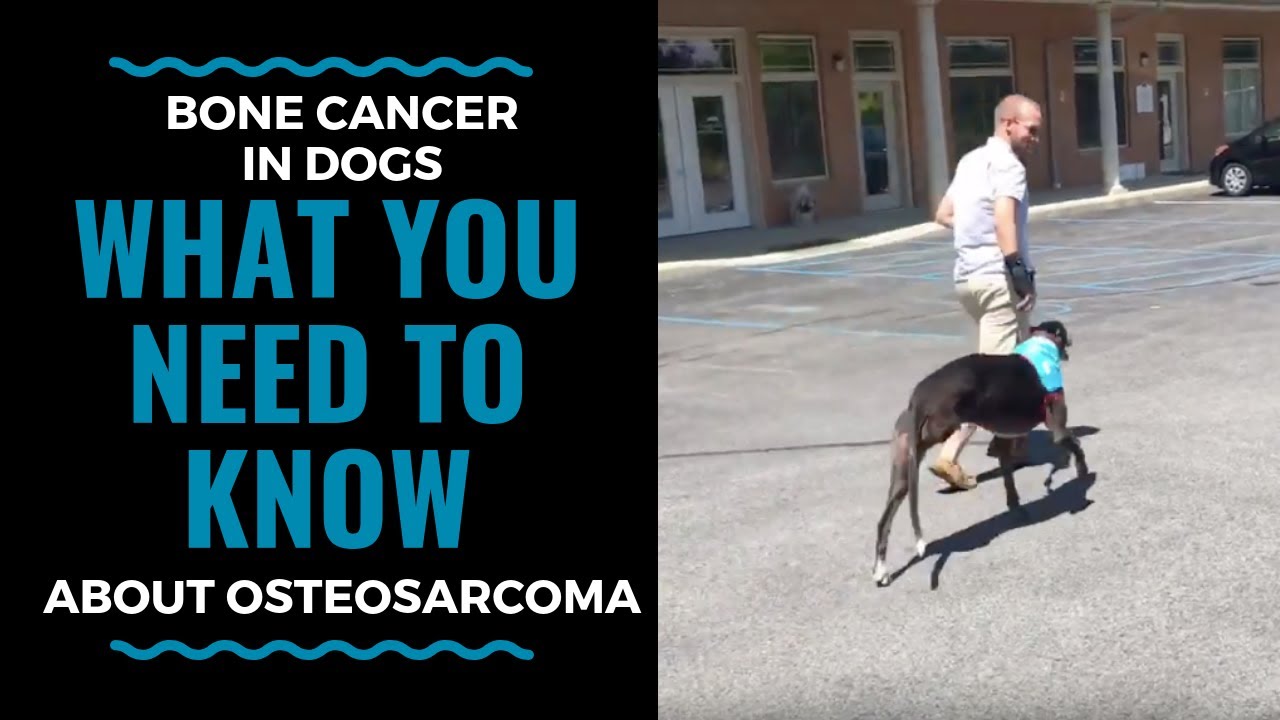
Canine osteosarcoma is a type of bone cancer that is most commonly found in dogs. This aggressive and malignant tumor primarily affects the long bones of the limbs, although it can also occur in other bones, such as the ribs, spine, and skull.
What is Canine Osteosarcoma?
Osteosarcoma is the most common primary bone tumor in dogs, accounting for approximately 85% of all skeletal tumors. It is characterized by the production of immature bone by malignant cells. This type of cancer is highly aggressive and has a tendency to metastasize, or spread, to other parts of the body, particularly the lungs.
Risk Factors
Several factors can increase the likelihood of a dog developing osteosarcoma:
- Breed: Large and giant breeds, such as Great Danes, Rottweilers, and Greyhounds, are at higher risk.
- Age: Middle-aged to older dogs are more commonly affected, although it can occur in younger dogs as well.
- Gender: Males are slightly more predisposed to developing osteosarcoma than females.
- Genetics: There may be a genetic predisposition in certain breeds.
Symptoms
The symptoms of canine osteosarcoma can vary depending on the location of the tumor, but common signs include:
- Lameness: Sudden or progressive lameness in the affected limb.
- Swelling: Noticeable swelling or a mass on the affected bone.
- Pain: Signs of pain, such as reluctance to walk, play, or climb stairs.
- Fractures: Pathological fractures can occur due to the weakening of the bone by the tumor.
- General Malaise: Decreased appetite, lethargy, and weight loss.
Diagnosis
Diagnosing osteosarcoma involves a combination of clinical evaluation, imaging, and laboratory tests:
- Physical Examination: A thorough physical exam to assess the dog's overall health and identify any abnormalities.
- Radiographs (X-rays): X-rays of the affected limb or area to visualize the bone and identify any characteristic changes.
- Biopsy: A sample of the tumor tissue is taken and examined under a microscope to confirm the diagnosis.
- Blood Tests: Blood work to evaluate the dog's general health and check for any signs of metastasis.
- Advanced Imaging: CT scans or MRI may be used for a more detailed assessment of the tumor and to check for metastasis.
Treatment Options
Treatment for canine osteosarcoma typically involves a combination of surgery, chemotherapy, and palliative care:
- Surgery: The primary treatment is often surgical removal of the tumor. This may involve amputation of the affected limb or limb-sparing surgery in certain cases.
- Chemotherapy: Chemotherapy is commonly used in conjunction with surgery to help control the spread of the cancer and improve survival rates.
- Radiation Therapy: In some cases, radiation therapy may be used to manage pain and reduce tumor size.
- Palliative Care: Pain management and supportive care are essential for maintaining the dog's quality of life. This may include medications, physical therapy, and lifestyle modifications.
Prognosis
The prognosis for dogs with osteosarcoma varies depending on several factors, including the location of the tumor, the extent of metastasis, and the dog's overall health. With aggressive treatment, the median survival time is typically around 1 year, although some dogs may live longer. Early detection and prompt treatment are key to improving outcomes.