Cap binding complex
Think of it as a small tractor used to drag mRNA from the nucleus to a ribosome.
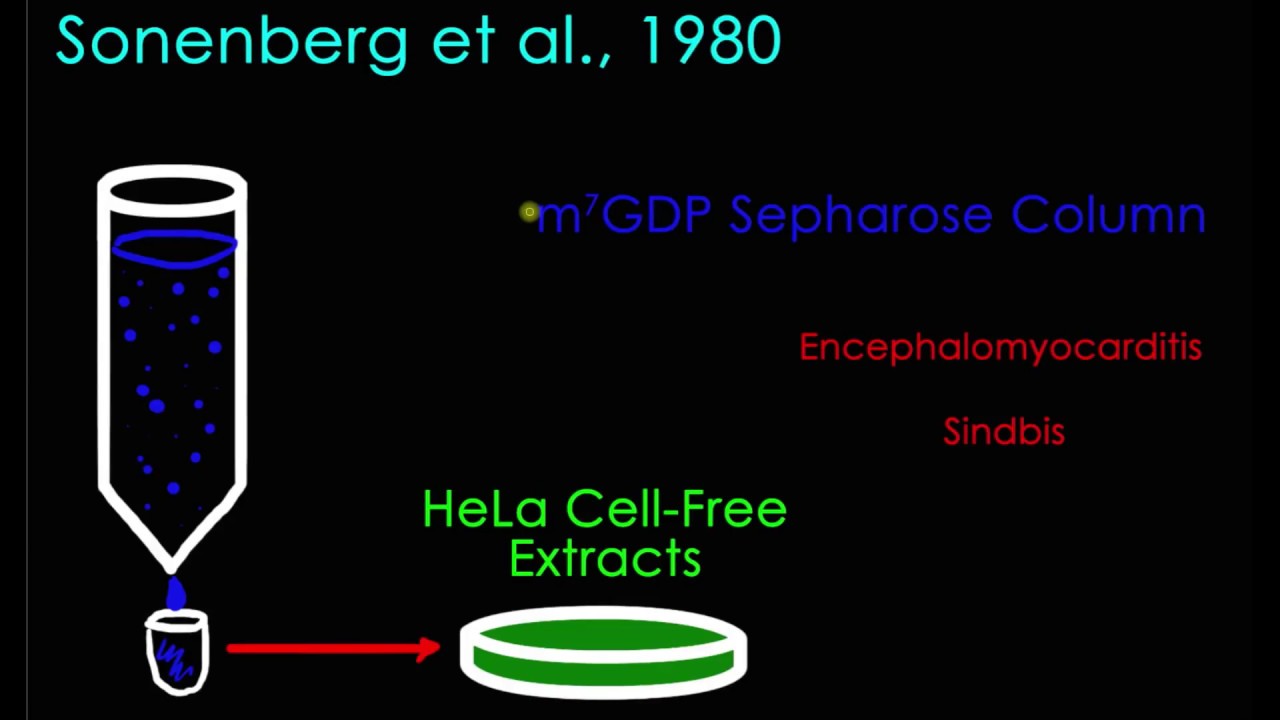
cap binding protein (eIF4E) enhances translation of capped but not uncapped mRNA
The cap binding complex (CBC) is a crucial component in the regulation of gene expression in eukaryotic cells. This complex plays a significant role in the early stages of mRNA processing, ensuring that the mRNA is properly modified, stabilized, and transported out of the nucleus. Understanding the CBC is essential for comprehending how cells control the flow of genetic information from DNA to protein.
Structure and Components
The cap binding complex is primarily composed of two proteins: CBP20 and CBP80. These proteins work together to recognize and bind to the 5' cap structure of nascent mRNA transcripts.
- CBP20: This smaller subunit directly interacts with the 5' cap, a modified guanine nucleotide that is added to the beginning of the mRNA transcript during transcription. CBP20 has a high affinity for the cap structure and is responsible for the initial recognition and binding.
- CBP80: The larger subunit, CBP80, interacts with CBP20 and stabilizes the binding of the complex to the mRNA. CBP80 also serves as a platform for the recruitment of other proteins involved in mRNA processing and export.
Functions of the Cap Binding Complex
The CBC is involved in several critical processes that ensure the proper maturation and function of mRNA:
1. mRNA Capping
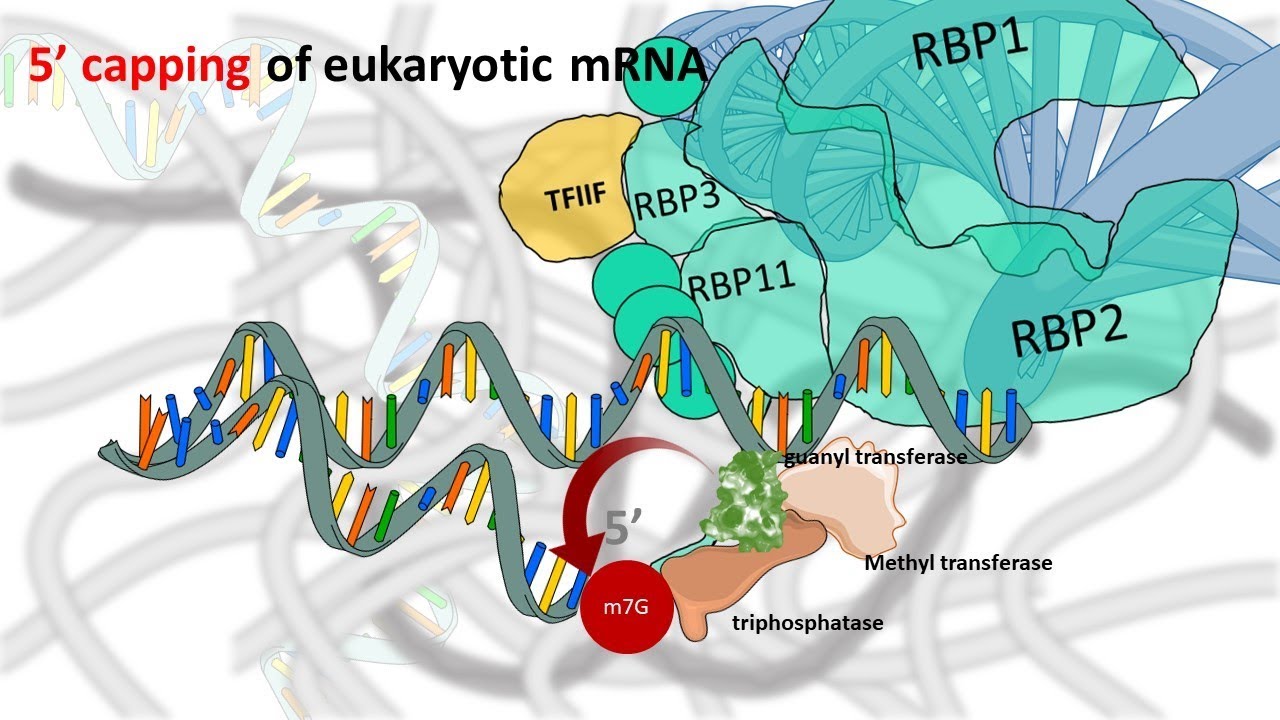
The addition of the 5' cap to the nascent mRNA is one of the first steps in mRNA processing. The cap structure protects the mRNA from degradation by exonucleases and is essential for subsequent processing steps. The CBC binds to the cap immediately after it is added, stabilizing the mRNA and marking it for further processing.
2. Splicing
The CBC plays a role in the splicing of pre-mRNA, a process that removes introns and joins exons to produce a mature mRNA transcript. The presence of the CBC at the 5' cap is thought to enhance the efficiency of splicing by recruiting splicing factors and ensuring that the splicing machinery is properly assembled.
3. mRNA Export
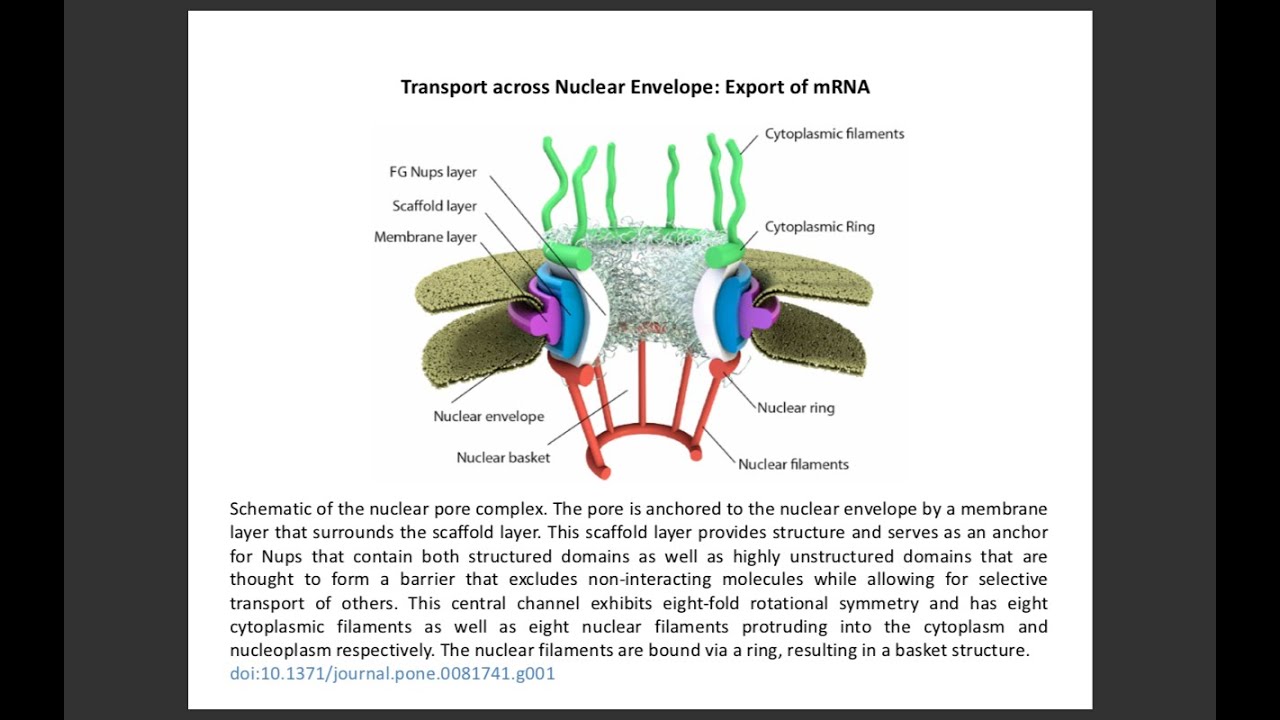
Once the mRNA is fully processed, it must be transported from the nucleus to the cytoplasm, where it can be translated into protein. The CBC is involved in the export of mRNA by interacting with the nuclear export machinery. This interaction ensures that only properly capped and processed mRNAs are exported to the cytoplasm.
4. Translation Initiation
In the cytoplasm, the CBC is replaced by the eukaryotic initiation factor 4E (eIF4E), which is part of the translation initiation complex. However, the CBC plays an indirect role in translation by ensuring that the mRNA is properly capped and processed before it reaches the cytoplasm. This preparation is crucial for efficient translation initiation.
Regulation and Interactions
The activity of the CBC is tightly regulated by various cellular signals and interactions with other proteins. For example, phosphorylation of CBP80 can modulate its interaction with CBP20 and other factors, influencing the stability and function of the complex. Additionally, the CBC interacts with other RNA-binding proteins and components of the mRNA processing machinery, forming a dynamic network that coordinates mRNA maturation and export.
Clinical Relevance
Dysregulation of the CBC and its associated processes can lead to various diseases, including cancer and neurodegenerative disorders. For instance, mutations in the genes encoding CBP20 or CBP80 can result in defective mRNA processing and export, leading to the accumulation of aberrant mRNAs and disrupted gene expression. Understanding the molecular mechanisms underlying CBC function and regulation can provide insights into the development of therapeutic strategies for these diseases.