Shock

In the ICU

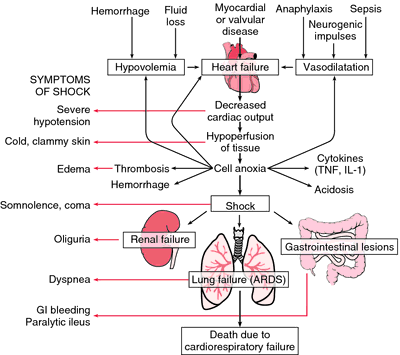
In every case of shock there is centralization of blood flow. In acute shock the kidney is damaged and renal insufficiency occurs. For several days the majority of the kidney's nephrons do not function. But step by step, after several months, full recuperation is possible because even if some nephrons were irreversibly damaged and died, only 20% of viable nephrons are needed to restore function.
Every type of shock is accompanied with excessive production of inflammatory mediators in perishing cells. And these inflammatory mediators penetrate into systemic circulation and that's why in every shock patient, in fact, we have systemic action of inflammatory mediators.
Understanding Shock: A Critical Medical Condition
Shock is a life-threatening medical condition that occurs when the body is not receiving enough blood flow, leading to inadequate oxygen and nutrient delivery to tissues and organs. This can result in organ failure and, if not promptly treated, can be fatal. Understanding the types, causes, symptoms, and treatment of shock is crucial for both medical professionals and the general public.
Types of Shock
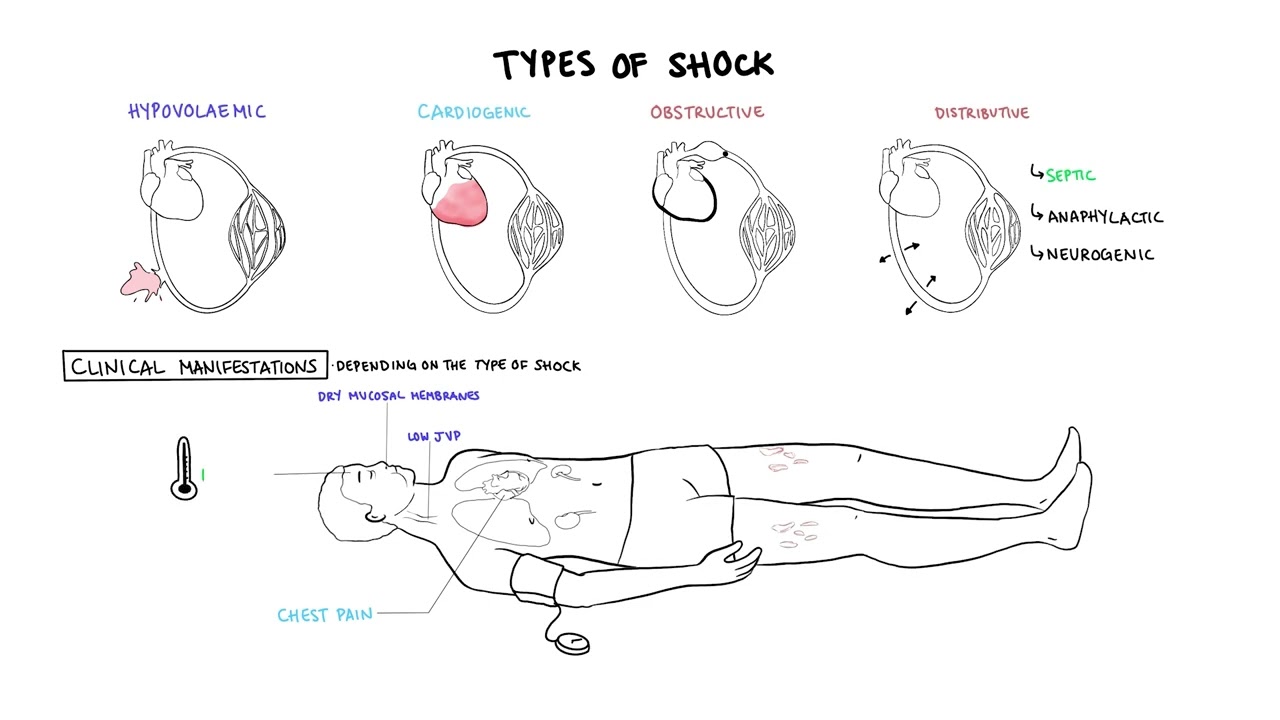
Shock can be classified into several types based on its underlying cause:
- Hypovolemic Shock: This type occurs due to a significant loss of blood or fluids, often resulting from severe bleeding, dehydration, or burns. The reduced blood volume leads to decreased cardiac output and insufficient blood supply to organs.
- Cardiogenic Shock: This is caused by the heart's inability to pump blood effectively, often due to a heart attack, heart failure, or arrhythmias. The heart's reduced pumping capacity leads to inadequate circulation and oxygenation of tissues.
- Distributive Shock: This category includes several subtypes, such as septic shock, anaphylactic shock, and neurogenic shock. It is characterized by abnormal distribution of blood flow in the smallest blood vessels, leading to insufficient blood supply to organs.
* Septic Shock: Triggered by a severe infection, it causes widespread inflammation and blood vessel dilation, leading to a drop in blood pressure.
* Anaphylactic Shock: A severe allergic reaction that causes blood vessels to dilate and airways to constrict, leading to a rapid drop in blood pressure and difficulty breathing.
* Neurogenic Shock: Results from a spinal cord injury or damage to the nervous system, causing blood vessels to lose their tone and dilate.
- Obstructive Shock: This occurs when there is a physical obstruction to blood flow, such as a pulmonary embolism or cardiac tamponade, preventing the heart from filling or pumping effectively.
Causes of Shock
The causes of shock vary depending on the type:
- Hypovolemic Shock: Severe bleeding from trauma, gastrointestinal bleeding, or surgery; dehydration from vomiting, diarrhea, or excessive sweating.
- Cardiogenic Shock: Myocardial infarction (heart attack), severe heart failure, or arrhythmias.
- Distributive Shock: Severe infections (sepsis), allergic reactions (anaphylaxis), or spinal cord injuries.
- Obstructive Shock: Pulmonary embolism, tension pneumothorax, or cardiac tamponade.
Symptoms of Shock
Recognizing the symptoms of shock is vital for timely intervention. Common symptoms include:
- Rapid, weak, or absent pulse
- Low blood pressure
- Rapid, shallow breathing
- Cold, clammy skin
- Confusion or disorientation
- Weakness or fatigue
- Dizziness or fainting
- Decreased urine output
In severe cases, shock can lead to unconsciousness or cardiac arrest.
Diagnosis and Treatment
Diagnosing shock involves a combination of clinical assessment and diagnostic tests. Medical professionals will evaluate vital signs, perform a physical examination, and may order blood tests, imaging studies, or electrocardiograms (ECGs) to determine the underlying cause.
Treatment of shock focuses on restoring blood flow and oxygen delivery to tissues. The specific approach depends on the type of shock:
- Hypovolemic Shock: Fluid resuscitation with intravenous fluids or blood transfusions to restore blood volume.
- Cardiogenic Shock: Medications to improve heart function, such as inotropes or vasopressors, and procedures like angioplasty or surgery to address underlying heart issues.
- Distributive Shock: Antibiotics for septic shock, epinephrine for anaphylactic shock, and supportive care for neurogenic shock.
- Obstructive Shock: Relieving the obstruction through procedures like thrombolysis for pulmonary embolism or pericardiocentesis for cardiac tamponade.
Prevention and Prognosis
Preventing shock involves managing risk factors and underlying conditions. For example, controlling infections, managing allergies, and maintaining cardiovascular health can reduce the risk of shock. The prognosis for shock depends on the type, severity, and timeliness of treatment. Early recognition and intervention are critical for improving outcomes.
Harnessing a Neural-immune Circuit to Control Inflammation and Shock