Ionic Bonding
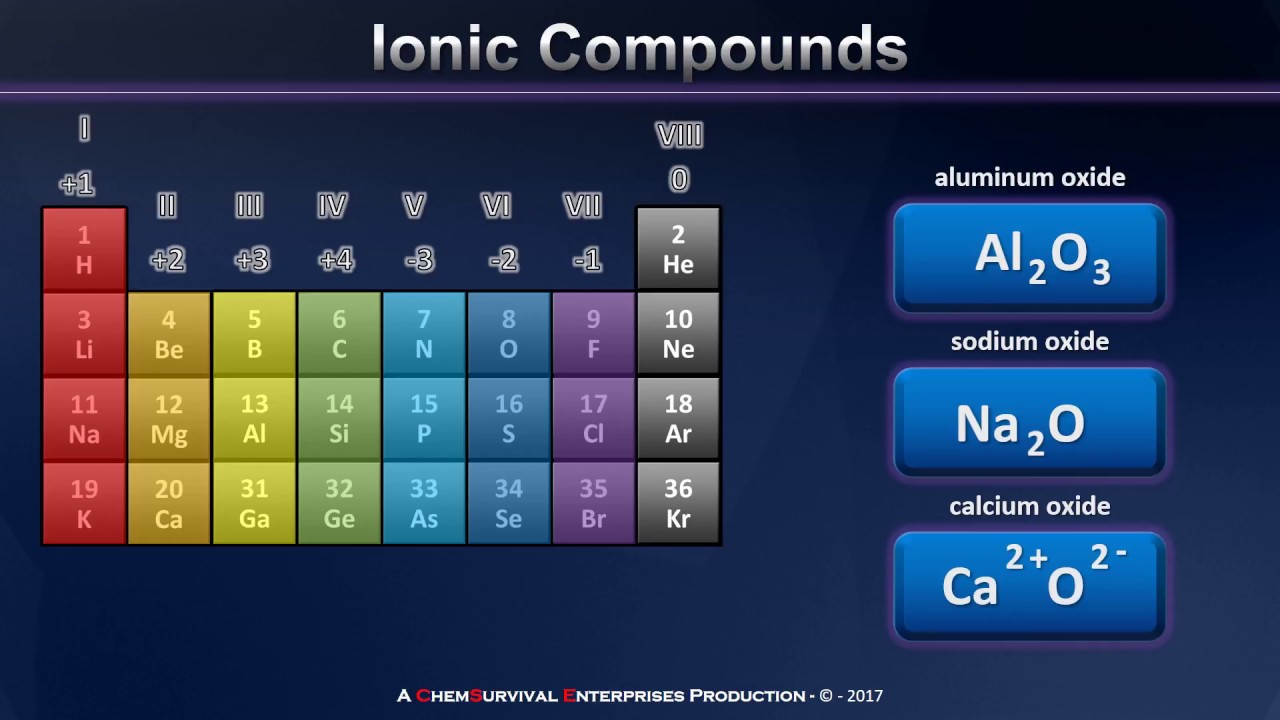
Ionic bonding is a fundamental concept in chemistry that explains how atoms combine to form compounds. This type of chemical bond is characterized by the transfer of electrons from one atom to another, resulting in the formation of ions. These ions are then held together by electrostatic forces, creating a stable ionic compound.
The Basics of Ionic Bonding
At its core, ionic bonding involves the interaction between metals and non-metals. Metals, which are typically found on the left side of the periodic table, have a tendency to lose electrons and form positively charged ions, known as cations. Non-metals, on the other hand, are found on the right side of the periodic table and tend to gain electrons, forming negatively charged ions, or anions.
Electron Transfer
The process of ionic bonding begins with the transfer of electrons. For example, in the formation of sodium chloride (NaCl), a sodium atom (Na) donates one electron to a chlorine atom (Cl). This electron transfer results in the formation of a sodium cation (Na⁺) and a chloride anion (Cl⁻). The resulting ions have opposite charges and are attracted to each other, forming a strong ionic bond.
Formation of Ionic Compounds
Ionic compounds are typically formed when metals react with non-metals. The resulting compounds are usually crystalline solids with high melting and boiling points. This is due to the strong electrostatic forces between the oppositely charged ions, which require significant energy to break.
Properties of Ionic Compounds
Ionic compounds exhibit several distinct properties that are a direct result of their ionic bonds:
- High Melting and Boiling Points: The strong attraction between ions in an ionic lattice requires a lot of energy to overcome, resulting in high melting and boiling points.
- Electrical Conductivity: In solid form, ionic compounds do not conduct electricity. However, when dissolved in water or melted, the ions are free to move, allowing the compound to conduct electricity.
- Solubility in Water: Many ionic compounds are soluble in water. The polar nature of water molecules helps to separate the ions, allowing them to dissolve.
- Brittleness: Ionic compounds are generally brittle. When a force is applied, the ions can be displaced, causing like-charged ions to align and repel each other, leading to the compound shattering.
Examples of Ionic Compounds
Several common substances are formed through ionic bonding:
- Sodium Chloride (NaCl): Common table salt, formed from sodium and chlorine.
- Magnesium Oxide (MgO): Used in refractory materials, formed from magnesium and oxygen.
- Calcium Carbonate (CaCO₃): Found in limestone and marble, formed from calcium, carbon, and oxygen.
Importance of Ionic Bonding
Ionic bonding is essential for the formation of many compounds that are vital to life and industry. For instance, sodium chloride is crucial for human health, while calcium carbonate is used in construction and manufacturing. Understanding ionic bonding also helps in predicting the properties of new compounds and in the development of new materials.