Mongongo
Mongongo - a tough nut worth cracking
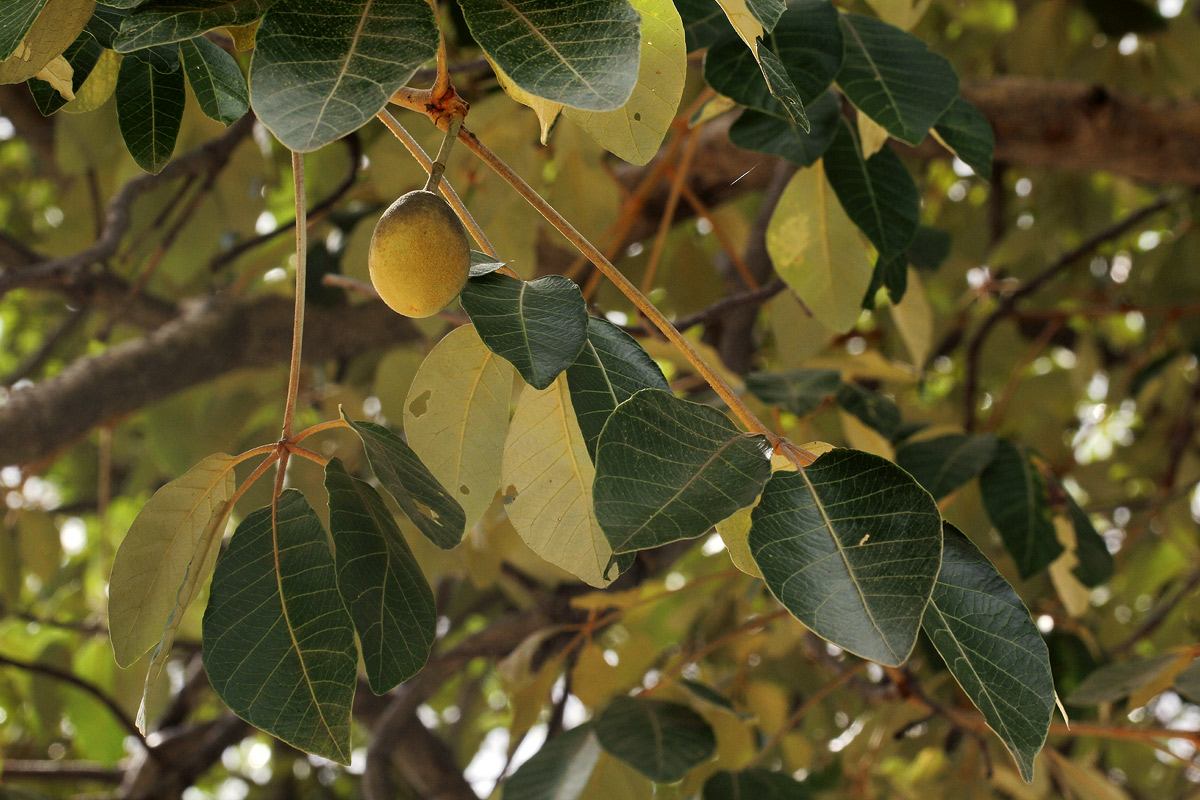
Schinziophyton rautanenii, commonly known as the mongongo tree, is a significant species native to the Kalahari Desert and other parts of Southern Africa. This tree is not only remarkable for its resilience in arid environments but also for its multifaceted uses, ranging from nutritional to ecological benefits.
Botanical Characteristics
Schinziophyton rautanenii belongs to the family Euphorbiaceae. It is a deciduous tree that can grow up to 20 meters in height. The tree has a distinctive, spreading crown and a thick, corky bark that helps it withstand the harsh conditions of its native habitat. The leaves are large, compound, and palmate, typically consisting of five to seven leaflets.
Flowers and Fruits
The mongongo tree produces small, yellowish-green flowers that are unisexual, meaning that male and female flowers are found on separate trees. The fruit is a drupe, about the size of a plum, with a hard, woody shell encasing a nutritious seed. The fruit matures during the dry season, making it a crucial food source when other resources are scarce.
Ecological Significance
Schinziophyton rautanenii plays a vital role in its ecosystem. Its deep root system helps stabilize the soil, preventing erosion in the sandy terrains of the Kalahari. The tree also provides habitat and food for various wildlife species. Birds, rodents, and insects are known to feed on its fruits and seeds, while larger animals like elephants may browse on its leaves and bark.
Nutritional and Medicinal Uses
The seeds of the mongongo tree are highly nutritious, rich in protein, and contain essential fatty acids. They are a staple food for many indigenous communities in Southern Africa. The seeds can be eaten raw, roasted, or pressed to extract oil, which is used in cooking and as a skin moisturizer.
Nutritional Profile
- Protein: The seeds contain about 25-30% protein, making them an excellent source of this essential nutrient.
- Fatty Acids: They are rich in polyunsaturated fats, particularly linoleic acid, which is beneficial for heart health.
- Vitamins and Minerals: The seeds are a good source of vitamins E and B, as well as minerals like magnesium, zinc, and calcium.
Traditional Medicine
In traditional medicine, various parts of the mongongo tree are used to treat a range of ailments. The bark is often used in decoctions to treat stomach issues, while the oil extracted from the seeds is applied to the skin to treat dryness and inflammation.
Economic Importance
The mongongo tree has significant economic value for local communities. The seeds are often harvested and sold in local markets, providing a source of income. The oil extracted from the seeds is also gaining popularity in the cosmetic industry due to its moisturizing properties.
Sustainable Harvesting
Efforts are being made to ensure the sustainable harvesting of mongongo seeds. Overharvesting can lead to a decline in tree populations, which would have detrimental effects on the ecosystem and local economies. Sustainable practices include rotating harvest areas and ensuring that some fruits are left to mature and fall naturally, allowing for natural regeneration.
Cultural Significance
The mongongo tree holds cultural importance for many indigenous groups in Southern Africa. It is often featured in folklore and traditional ceremonies. The tree is seen as a symbol of resilience and sustenance, reflecting its ability to thrive in harsh conditions and provide for the needs of the community.