Oppositional Defiant Disorder (ODD)
What is Oppositional Defiant Disorder? Nature and Treatment
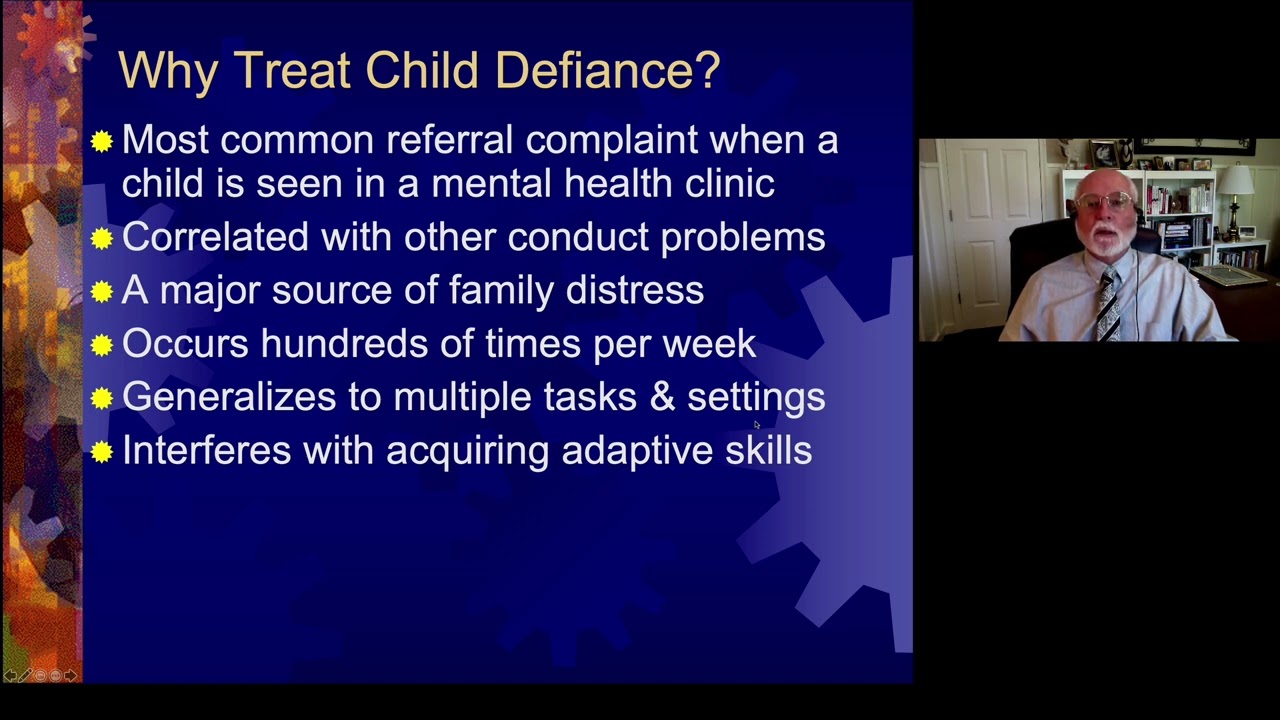
Parent Management Training for Oppositional Behavior in Children
Oppositional defiant disorder (ODD) is a type of behavior disorder. It is mostly diagnosed in childhood. Children with ODD are uncooperative, defiant, and hostile toward peers, parents, teachers, and other authority figures. They are more troubling to others than they are to themselves.
Researchers don’t know what causes ODD. But there are 2 main theories for why it occurs:
- Developmental theory. This theory suggests that the problems start when children are toddlers. Children and teens with ODD may have had trouble learning to become independent from a parent or other main person to whom they were emotionally attached. Their behavior may be normal developmental issues that are lasting beyond the toddler years.
- Learning theory.This theory suggests that the negative symptoms of ODD are learned attitudes. They mirror the effects of negative reinforcement methods used by parents and others in power. The use of negative reinforcement increases the child’s ODD behaviors. That’s because these behaviors allow the child to get what he or she wants: attention and reaction from parents or others.
ODD is more common in boys than in girls. Children with the following mental health problems are also more likely to have ODD:
- Mood or anxiety disorders
- Conduct disorder
- Attention-deficit/hyperactivity disorder (ADHD)
Most symptoms seen in children and teens with ODD also happen at times in other children without it. This is especially true for children around ages 2 or 3, or during the teen years. Many children tend to disobey, argue with parents, or defy authority. They may often behave this way when they are tired, hungry, or upset. But in children and teens with ODD, these symptoms happen more often. They also interfere with learning and school adjustment. And in some cases, they disrupt the child’s relationships with others.
Symptoms of ODD may include:
- Having frequent temper tantrums
- Arguing a lot with adults
- Refusing to do what an adult asks
- Always questioning rules and refusing to follow rules
- Doing things to annoy or upset others, including adults
(Source)