Buddleja (genus), Growing

Buddleja, commonly known as the butterfly bush, is a popular choice for gardeners looking to attract pollinators such as butterflies and bees. Known for its fragrant, colorful flowers and ease of care, Buddleja can be a stunning addition to any garden.
Understanding Buddleja
Buddleja is a genus of flowering plants that includes over 140 species. These plants are native to Asia, Africa, and the Americas, and they thrive in a variety of climates. The most commonly grown species in gardens is Buddleja davidii, which is renowned for its long, arching panicles of flowers that bloom in shades of purple, pink, white, and yellow.
Ideal Growing Conditions
To ensure your Buddleja thrives, it's important to provide the right growing conditions:
Sunlight
Buddleja plants prefer full sun, which means they need at least six hours of direct sunlight each day. While they can tolerate partial shade, full sun exposure will result in more abundant blooms.
Soil
These plants are not particularly fussy about soil type, but they do best in well-drained soil. Buddleja can tolerate poor soil conditions, but they will not thrive in waterlogged areas. If your garden soil is heavy clay, consider amending it with sand or organic matter to improve drainage.
Watering
Buddleja is drought-tolerant once established, but young plants will need regular watering to help them establish a strong root system. Water deeply but infrequently, allowing the soil to dry out between waterings. Overwatering can lead to root rot, so it's important to avoid soggy soil.
Planting Buddleja
When planting Buddleja, timing and technique are key:
- Timing: The best time to plant Buddleja is in the spring or fall when temperatures are mild. This allows the plant to establish roots before the stress of summer heat or winter cold.
- Spacing: Space plants about 5 to 10 feet apart, depending on the variety, to allow for adequate air circulation and growth.
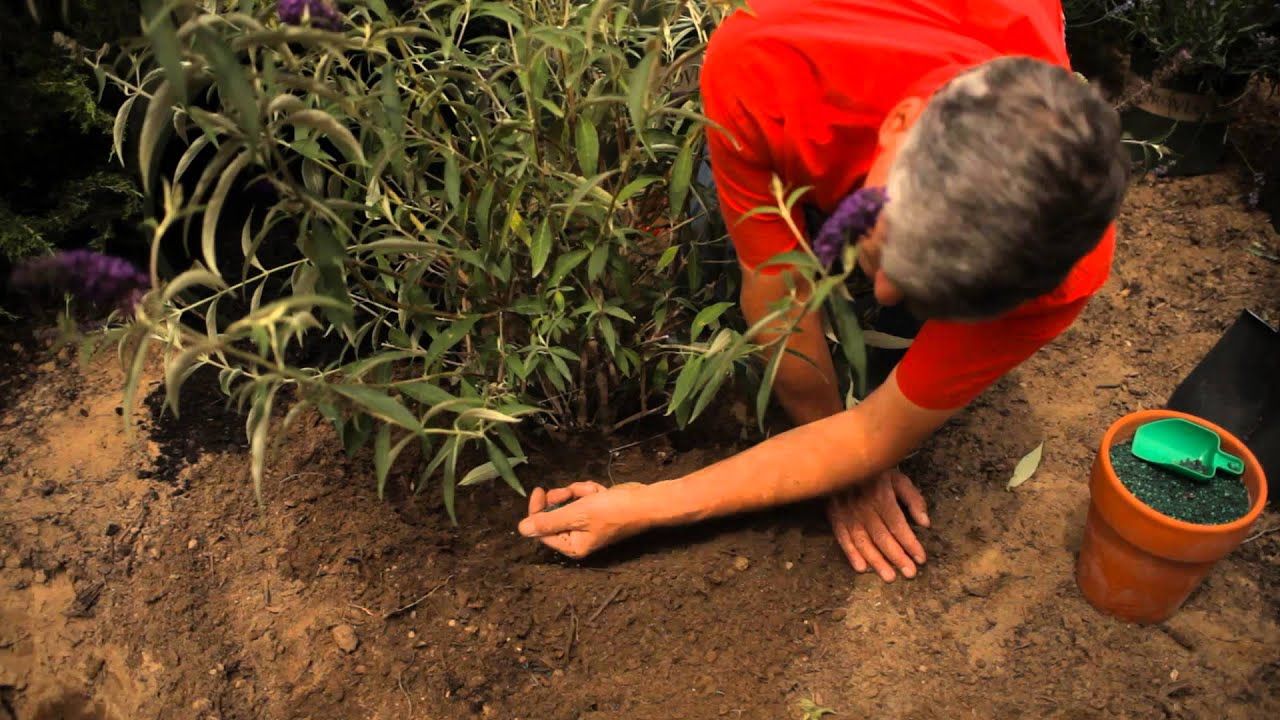
- Planting: Dig a hole twice as wide and as deep as the root ball. Place the plant in the hole, ensuring the top of the root ball is level with the soil surface. Backfill with soil and water thoroughly.
Pruning and Maintenance
Regular pruning is essential for maintaining the health and appearance of Buddleja:
- Pruning Time: Prune Buddleja in late winter or early spring before new growth begins. This encourages vigorous growth and abundant flowering.
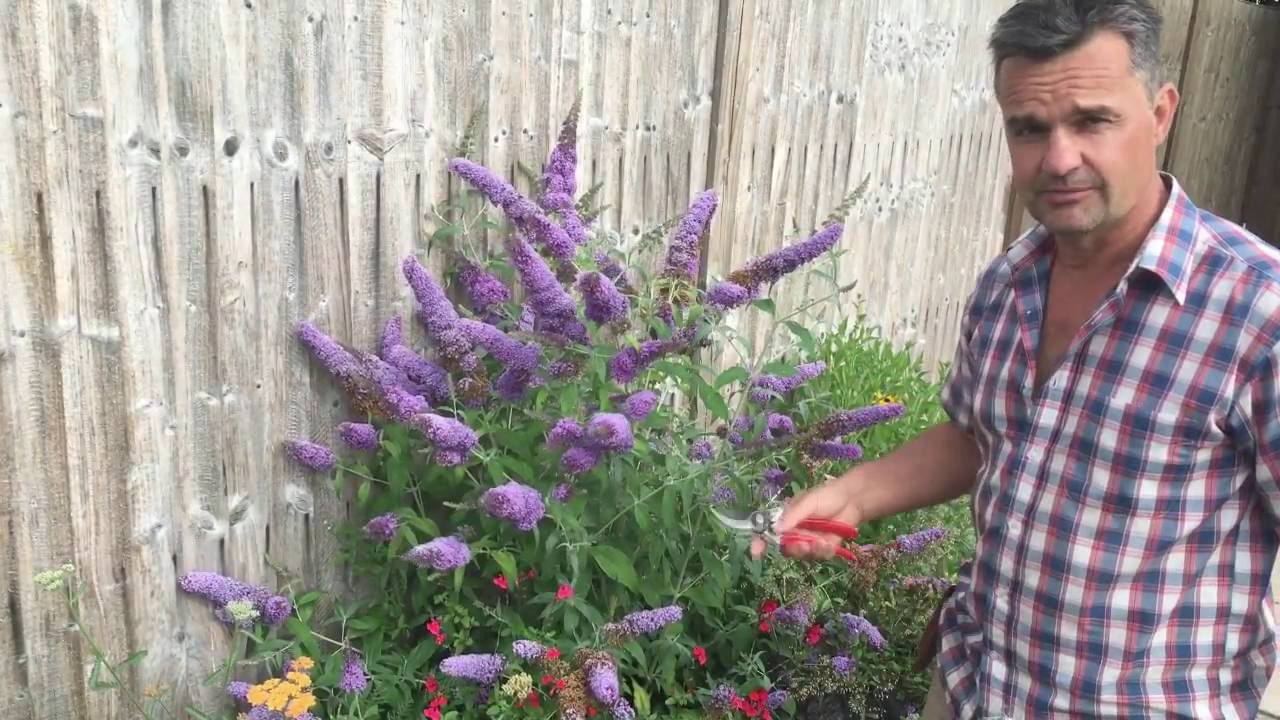
- Pruning Technique: Cut back the previous year's growth to within a few inches of the base. This may seem drastic, but Buddleja responds well to hard pruning and will produce more flowers as a result.
- Deadheading: Remove spent flowers throughout the blooming season to encourage continuous flowering and prevent self-seeding.
Pest and Disease Management
Buddleja is relatively pest-resistant, but it can occasionally be affected by:
- Aphids: These small insects can be controlled with insecticidal soap or by encouraging natural predators like ladybugs.
- Spider Mites: These pests thrive in hot, dry conditions. Increase humidity around the plant and use a strong spray of water to dislodge them.
- Root Rot: Prevent root rot by ensuring good drainage and avoiding overwatering.
Benefits of Growing Buddleja
Growing Buddleja offers several benefits:
- Attracts Pollinators: The fragrant flowers are a magnet for butterflies, bees, and hummingbirds, enhancing the biodiversity of your garden.
- Low Maintenance: Once established, Buddleja requires minimal care, making it ideal for busy gardeners.
- Versatile Uses: Buddleja can be used in borders, as a hedge, or as a standalone specimen plant.