Horehound
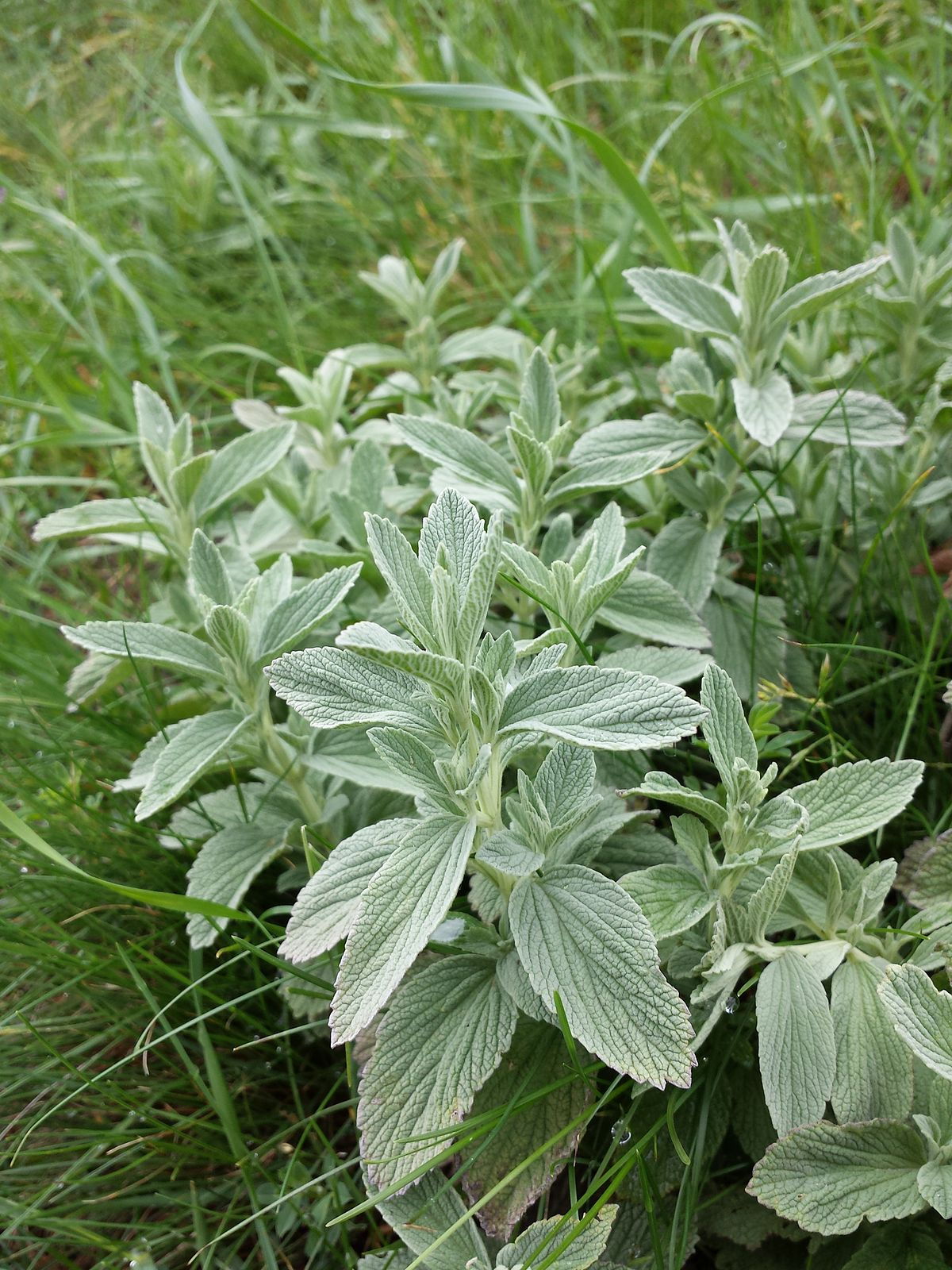
Marrubium peregrinum, commonly known as horehound, is a perennial herbaceous plant that belongs to the Lamiaceae family. This plant species is native to the Mediterranean region and can be found in countries such as Spain, Italy, Greece, and North Africa.
Characteristics of Marrubium Peregrinum
Horehound is a bushy plant that typically grows to a height of about 30 to 60 centimeters. It has a square stem with dense white hairs, giving it a distinctive appearance. The leaves of Marrubium peregrinum are gray-green in color, wrinkled, and covered with fine hairs. The plant produces small white flowers that are arranged in whorls around the stem. These flowers bloom in the summer months and attract pollinators such as bees and butterflies.
One of the key features of Horehound is its strong, aromatic scent. When the leaves of the plant are crushed or rubbed, they release a pleasant fragrance that is reminiscent of mint and sage. This aroma is one of the reasons why Horehound has been used in herbal medicine and culinary applications for centuries
Tissue State Relevance
Marrubium peregrinum fits cleanly into the Western herbal tissue‑state framework once you anchor it to its verified phytochemistry and pharmacological actions. The search results show it is rich in phenolic acids, flavonoids, marrubiin (a labdane diterpene), sesquiterpenes, sterols, and triterpenes, with strong antioxidant, anti‑inflammatory, antimicrobial, anti‑biofilm, and gastroprotective activity. Nature MDPI Italian Journal of Food Science
1. Heat / Excitation — Strong relevance
- Demonstrated anti‑inflammatory activity across multiple studies. Nature
- Essential oil shows gastroprotective effects in ethanol‑induced ulceration, reducing inflammatory damage. Italian Journal of Food Science
Pattern fit: hot, irritated GI mucosa; inflamed respiratory tissues; irritated skin.
2. Damp / Stagnation — Strong relevance
- Broad‑spectrum antimicrobial and anti‑biofilm activity documented for Marrubium species. Nature
- Phenolic acids and flavonoids support movement through congested, infected, or stagnant tissues.
Pattern fit: damp infection, sluggish GI or respiratory stagnation, microbial overgrowth.
3. Dry / Atrophy — Moderate relevance
- Marrubium species show wound‑healing and cell‑regenerative effects. Nature
- However, unlike mucilage‑rich mallows, Marrubium is not strongly demulcent; its support for atrophic tissues comes from antioxidant and regenerative actions rather than moistening.
Pattern fit: atrophic irritation with oxidative stress; depleted mucosa needing repair.
4. Wind / Tension — Mild relevance
- No direct antispasmodic evidence in the search results.
- Indirect relevance: anti‑inflammatory + antioxidant actions can reduce reactive tension in irritated tissues (inference based on known pharmacology).
Pattern fit: tension secondary to inflammation, not true spasm.
5. Cold / Depression — Mild relevance
- Marrubium contains bitter diterpenes (marrubiin), which traditionally correlate with tonic, mildly stimulating digestive effects (inference based on phytochemical class + traditional use).
- Search results emphasize antioxidant and metabolic modulation, not strong warming or stimulating activity.
Pattern fit: cold/depressed digestion with concurrent inflammation or stagnation.
6. Damp / Relaxation — Low relevance
- No evidence of hypotonic or laxity‑inducing effects.
- Its antimicrobial and regenerative actions make it more suited to damp‑stagnation than damp‑relaxation patterns.
Pattern fit: not a match unless damp‑relaxation coexists with inflammation.
Summary
| Tissue State | Relevance | Evidence Basis |
|---|---|---|
| Heat / Excitation | ★★★★☆ | Anti‑inflammatory; gastroprotective Nature Italian Journal of Food Science |
| Damp / Stagnation | ★★★★☆ | Antimicrobial + anti‑biofilm activity Nature |
| Dry / Atrophy | ★★★☆☆ | Wound‑healing + cell regeneration (not demulcent) Nature |
| Wind / Tension | ★★☆☆☆ | Indirect relief via reduced irritation (inference) |
| Cold / Depression | ★★☆☆☆ | Bitter diterpenes; mild tonic potential (inference) |
| Damp / Relaxation | ★☆☆☆☆ | No evidence of hypotonicity |
TRADITIONAL USES
Horehound has a long history of use in traditional medicine, dating back to ancient times. The plant was highly valued for its medicinal properties and was used to treat a wide range of health conditions. In traditional European herbal medicine, horehound was commonly used as a remedy for respiratory ailments such as coughs, colds, and bronchitis. The plant was believed to have expectorant, antitussive, and bronchodilator properties, making it effective in relieving respiratory symptoms.
In addition to its respiratory benefits, horehound was also used to aid digestion, stimulate appetite, and alleviate gastrointestinal issues. The plant was often brewed into teas, tinctures, or syrups and consumed to promote overall digestive health. Horehound was also used topically to soothe skin irritations and promote wound healing.
HEALTH BENEFITS
Modern research has begun to uncover the potential health benefits of white horehound, confirming many of its traditional uses. Studies have shown that horehound possesses anti-inflammatory, antioxidant, and antimicrobial properties, making it a valuable natural remedy for various health conditions.
One of the key health benefits of horehound is its ability to support respiratory health. The plant has been found to help alleviate coughs, reduce inflammation in the respiratory tract, and promote clear breathing. Horehound is often used in herbal cough syrups and lozenges to help soothe throat irritation and suppress coughing.
In addition to its respiratory benefits, horehound has been studied for its potential anti-inflammatory effects. The plant contains compounds that may help reduce inflammation in the body, making it beneficial for conditions such as arthritis and inflammatory bowel disease.
Horehound also exhibits antioxidant properties, which can help protect cells from damage caused by free radicals. Antioxidants are important for overall health and may help reduce the risk of chronic diseases such as heart disease, cancer, and diabetes.
CULINARY USES
In addition to its medicinal properties, horehound has culinary applications as well. The leaves of the plant can be used to flavor foods and beverages, adding a unique herbal taste to dishes. Horehound leaves can be dried and brewed into a tea, which is believed to have digestive benefits and a pleasant flavor.
Horehound can also be used to make herbal candies, syrups, and liqueurs. The plant's aromatic properties make it a popular ingredient in herbal confections and beverages. Horehound candies have a sweet and slightly bitter taste, making them a favorite treat in some cultures.