Alkaptonuria (Black Bone Disease)
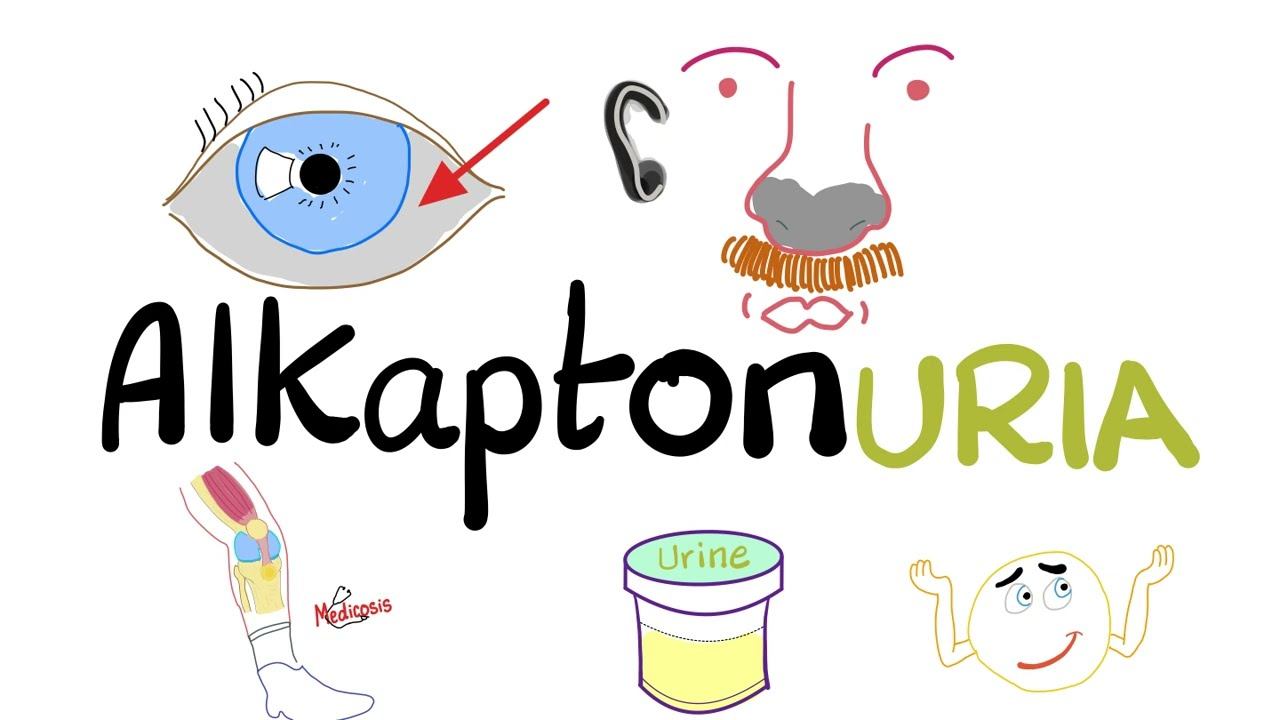
Alkaptonuria, also known as Black Bone Disease, is a rare genetic disorder that affects the body's ability to process certain amino acids. This condition is characterized by the accumulation of homogentisic acid in the body, leading to a range of symptoms and complications.
Causes and Genetic Basis
Alkaptonuria is an autosomal recessive disorder, meaning that an individual must inherit two copies of the defective gene, one from each parent, to develop the condition. The disorder is caused by mutations in the HGD gene, which provides instructions for making the enzyme homogentisate 1,2-dioxygenase. This enzyme is responsible for breaking down homogentisic acid, a byproduct of the metabolism of the amino acids phenylalanine and tyrosine. When the enzyme is deficient or absent, homogentisic acid accumulates in the body, leading to the symptoms of alkaptonuria.
Symptoms and Clinical Manifestations
The hallmark symptom of alkaptonuria is the darkening of urine when exposed to air, due to the presence of homogentisic acid. However, the condition can also lead to more serious complications over time:
- Ochronosis: This is the bluish-black discoloration of connective tissues, such as cartilage and skin, due to the deposition of homogentisic acid. It often becomes apparent in adulthood.
- Arthritis: Individuals with alkaptonuria often develop arthritis, particularly in the spine and large joints, due to the accumulation of pigment in cartilage.
- Heart Problems: The buildup of homogentisic acid can lead to heart valve damage and other cardiovascular issues.
- Kidney and Prostate Stones: The excess acid can also lead to the formation of stones in the kidneys and prostate.
Diagnosis
Diagnosing alkaptonuria typically involves a combination of clinical evaluation, family history, and laboratory tests. The most definitive test is the detection of elevated levels of homogentisic acid in the urine. Genetic testing can also confirm mutations in the HGD gene, providing a clear diagnosis.
Management and Treatment
Currently, there is no cure for alkaptonuria, but several strategies can help manage symptoms and improve quality of life:
- Dietary Management: Reducing the intake of phenylalanine and tyrosine may help decrease the production of homogentisic acid, although the effectiveness of this approach varies.
- Vitamin C: Some studies suggest that high doses of vitamin C may slow the accumulation of homogentisic acid in tissues, although evidence is limited.
- Pain Management: Nonsteroidal anti-inflammatory drugs (NSAIDs) and other pain relief medications can help manage joint pain and arthritis.
- Physical Therapy: Regular exercise and physical therapy can help maintain joint function and mobility.
- Surgical Interventions: In severe cases, joint replacement surgery may be necessary to address significant joint damage.
Research and Future Directions
Research into alkaptonuria is ongoing, with scientists exploring potential treatments and interventions. One promising area of research is the use of nitisinone, a drug that inhibits the production of homogentisic acid. Early studies have shown that nitisinone can significantly reduce homogentisic acid levels in the body, although long-term effects and safety are still being evaluated.
Living with Alkaptonuria
Living with alkaptonuria can be challenging, but with proper management and support, individuals can lead fulfilling lives. It is important for patients to work closely with healthcare providers to monitor symptoms and adjust treatment plans as needed. Support groups and patient organizations can also provide valuable resources and a sense of community for those affected by the condition.