Cyclooxygenase
In the Arachidonic Acid Pathway, this enzyme is responsible for producing COX-1 and COX-2 and Prostaglandins. NSAIDS inhibit this enzyme, thus reducing production of COX and the Prostaglandins.
Cyclooxygenase, often abbreviated as COX, is a crucial enzyme in the human body that plays a significant role in the biosynthesis of prostanoids, including prostaglandins, prostacyclins, and thromboxanes. These compounds are vital for various physiological processes, such as inflammation, pain, fever, and blood clotting.
Structure and Function
Cyclooxygenase is an enzyme that catalyzes the conversion of arachidonic acid to prostaglandin H2 (PGH2), the precursor of various other prostanoids. The enzyme has two main active sites:
- Cyclooxygenase site: This site is responsible for the oxygenation of arachidonic acid to form prostaglandin G2 (PGG2).
- Peroxidase site: This site reduces PGG2 to PGH2.
The enzyme is membrane-bound and exists in two main isoforms, COX-1 and COX-2, which are encoded by different genes and have distinct physiological roles.
Types of Cyclooxygenase
COX-1
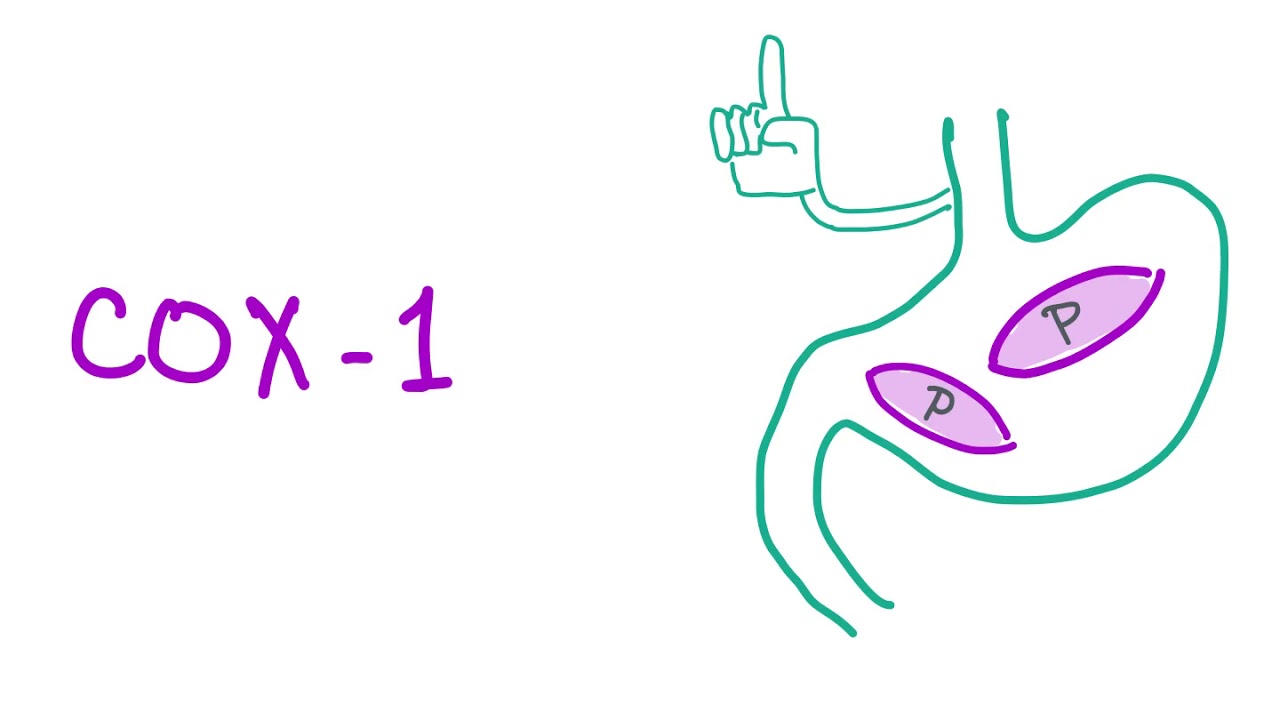
COX-1 is a constitutive enzyme, meaning it is expressed continuously in most tissues. It is involved in the maintenance of normal physiological functions, such as:
- Protecting the gastric mucosa
- Regulating platelet aggregation
- Maintaining renal blood flow
COX-2
COX-2, on the other hand, is an inducible enzyme. It is usually absent from most tissues but is upregulated in response to inflammatory stimuli, growth factors, and cytokines. COX-2 is primarily involved in:
- Mediating inflammation
- Pain sensation
- Fever response
Clinical Significance
The discovery of COX-1 and COX-2 has had profound implications for medicine, particularly in the development of nonsteroidal anti-inflammatory drugs (NSAIDs). These drugs inhibit the activity of cyclooxygenase enzymes, thereby reducing the production of prostanoids and alleviating symptoms of inflammation, pain, and fever.
Nonsteroidal Anti-Inflammatory Drugs (NSAIDs)
NSAIDs are a class of drugs that provide anti-inflammatory, analgesic, and antipyretic effects. They are commonly used to treat conditions such as arthritis, menstrual pain, and other inflammatory disorders. NSAIDs can be classified into two categories based on their selectivity for COX enzymes:
- Non-selective NSAIDs: These drugs inhibit both COX-1 and COX-2 enzymes. Examples include aspirin, ibuprofen, and naproxen. While effective, they can cause side effects such as gastrointestinal irritation and increased risk of bleeding due to COX-1 inhibition.
- Selective COX-2 inhibitors (Coxibs): These drugs specifically inhibit COX-2, aiming to reduce inflammation and pain with fewer gastrointestinal side effects. Examples include celecoxib and rofecoxib. However, some COX-2 inhibitors have been associated with an increased risk of cardiovascular events.
Aspirin and Cardiovascular Health
Aspirin, a non-selective NSAID, has a unique role in cardiovascular health. At low doses, it irreversibly inhibits COX-1 in platelets, reducing the production of thromboxane A2, a potent promoter of platelet aggregation. This antiplatelet effect makes aspirin valuable in preventing heart attacks and strokes in individuals at high risk.
COX-2 and Cancer
Emerging research suggests that COX-2 may play a role in cancer development and progression. Overexpression of COX-2 has been observed in various cancers, including colorectal, breast, and lung cancers. COX-2 inhibitors are being investigated for their potential to prevent or treat certain types of cancer, although more research is needed to fully understand their efficacy and safety.
Dual inhibitory effect of Glycyrrhiza glabra (GutGard™) on COX and LOX products
In silico characterisation of olive phenolic compounds as potential cyclooxygenase modulators.