Ayurveda, Diagnostics
8 Methods:
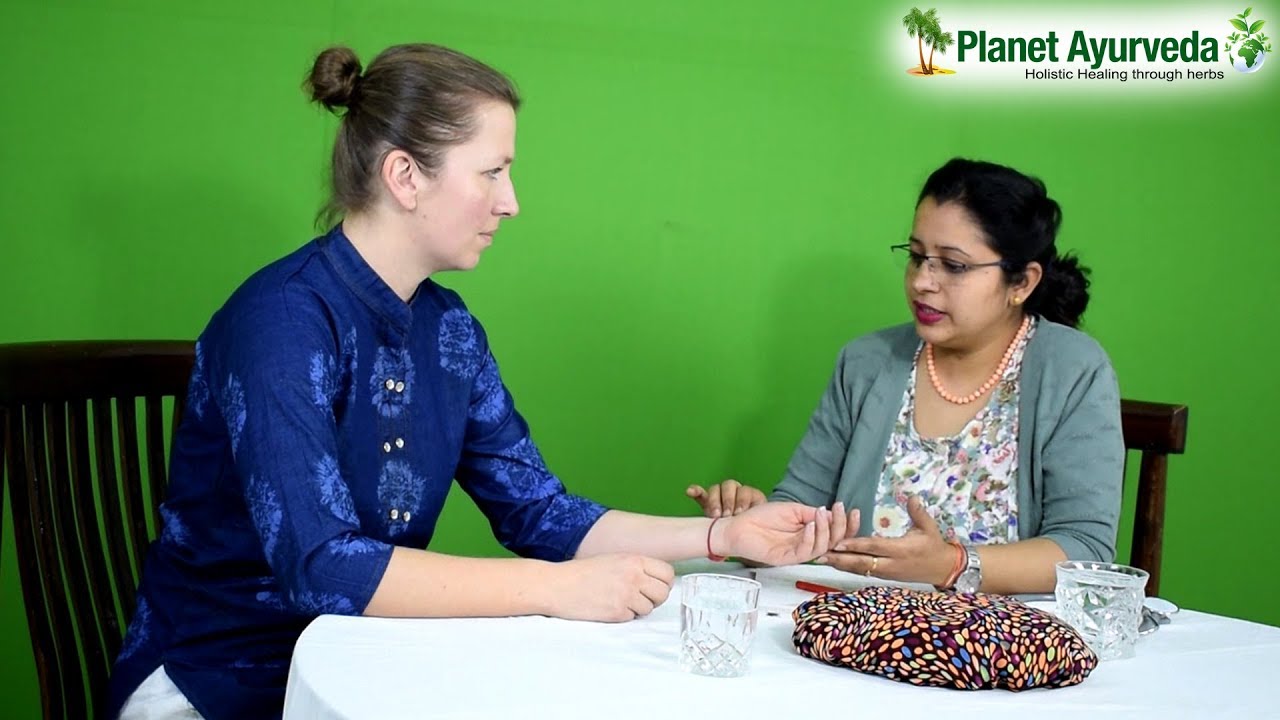
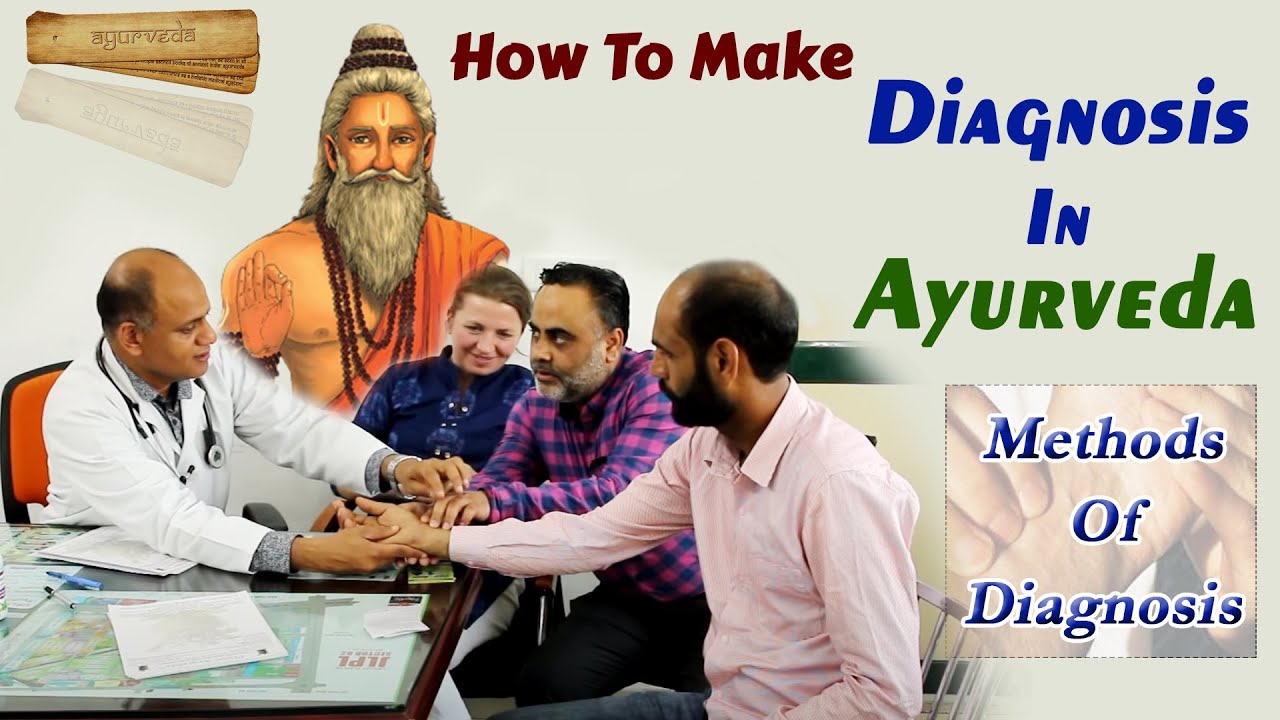
In Ayurveda, the concept of diagnosis stems out of the belief that the body is constantly interacting between order and disorder in a balanced way; and diagnosis is the idea of regularly monitoring these interactions from moment-to-moment basis. Thus, diagnosis in Ayurveda is different from the concept of diagnosis in Western medicine, where the disease is identified after it presents in the body.
The disease process is a reaction between the body humors, tridoshas and the dhatusor tissues. The symptoms of every disease are always related to the nature of imbalance among the tridoshas. Once this imbalance is identified, then balance can be re-established through Ayurvedic treatment and management.
Factors Influencing Diagnosis of Diseases
Diagnosis related decision making in Ayurveda is very complex and depends on evaluation of many internal factors that present themselves during a disease process, such as:
- Body humors (Tridoshas)
- Body tissues (dhatus)
- Excretory products (malas)
- Digestive power (agni)
- Body channels (srotas).
Also external factors like pathogens or infection, season or weather and the patient’s lifestyle including diet, medication, smoking or alcohol and other such habits that are a part in vitiating his/her constitution, are involved in the expression of the disease.
Methods of Diagnosis in Ayurveda
An Ayurvedic clinical examination includes three diagnostic methods (trividhapariksha):
- Inspection (Darshana): Involves observation of the body parts, for example, skin, hair, eyes, and tongue.
- Palpation (Sparsana):Includes pulse & palpation of body parts (wrist pulse, abdominal palpation etc.).
- Questioning (Prasna): Understanding the medical history, symptoms, mental and physical state of the patient are covered during the questioning stage.
Based upon this diagnosis, treatment and choice of herbs/compound formulae are prescribed.
Pulse Diagnosis – Nadi Pariksha
This is a unique science in itself that offers many insights into disease and general health. The pulse or Nadi, felt at the wrist is used as a definitive method to diagnose diseases in Ayurveda. The signals obtained from pulse on the wrist are specific for vata, pittaandkapha.
(Source)