Coto
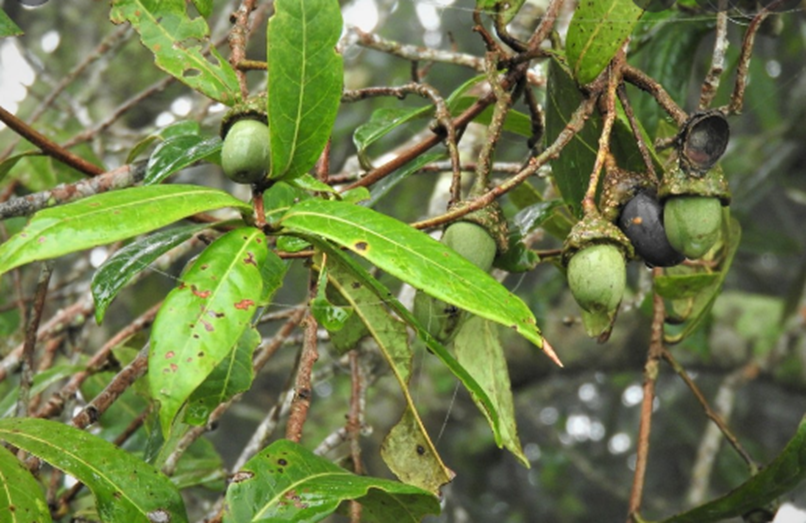
From South America
Coto, scientifically known as Aniba coto (Rusby) Kosterm, is a tree species belonging to the Lauraceae family. This tree is native to the tropical rainforests of South America, particularly in countries like Peru and Brazil. The tree is renowned for its medicinal properties and has been used traditionally by indigenous communities for various health-related purposes.
Botanical Characteristics
The Coto tree can grow up to 30 meters in height and has a straight trunk with a diameter that can reach up to 1 meter. The bark of the tree is thick and has a distinctive aromatic scent, which is one of its most notable features. The leaves are simple, alternate, and have a glossy appearance. They are typically oblong or elliptical in shape and can grow up to 20 centimeters in length. The flowers of the Coto tree are small, yellowish-green, and are arranged in clusters. The fruit is a drupe, which is a type of fleshy fruit with a single seed inside.
Traditional Uses
Indigenous communities in the Amazon rainforest have utilized various parts of the Coto tree for centuries. The bark, in particular, is highly valued for its medicinal properties. Some of the traditional uses include:
- Treatment of Fever: The bark is often used to make a decoction that is consumed to reduce fever.
- Anti-inflammatory: The bark and leaves are used to alleviate inflammation and pain.
- Digestive Aid: The bark is also used to treat digestive issues such as diarrhea and stomach cramps.
- Antimicrobial: The tree's extracts are believed to have antimicrobial properties, making them useful in treating infections.
Chemical Composition
The medicinal properties of the Coto tree are attributed to its rich chemical composition. The bark contains several bioactive compounds, including alkaloids, flavonoids, and essential oils. Some of the key compounds identified in the bark are:
- Cotoine: An alkaloid that is believed to have antipyretic (fever-reducing) properties.
- Lignans: These are a group of chemical compounds known for their antioxidant and anti-inflammatory effects.
- Essential Oils: The bark contains essential oils that contribute to its aromatic properties and have been found to possess antimicrobial activity.
Modern Research
In recent years, there has been growing interest in the Coto tree within the scientific community. Researchers are investigating its potential applications in modern medicine. Some of the areas of research include:
- Antimicrobial Activity: Studies are being conducted to explore the effectiveness of Coto extracts against various bacterial and fungal infections.
- Anti-inflammatory Properties: Research is focused on understanding the mechanisms through which the tree's compounds reduce inflammation and pain.
- Antioxidant Potential: The antioxidant properties of the tree's lignans are being studied for their potential in preventing oxidative stress-related diseases.
Conservation Status
The Coto tree is not currently listed as endangered, but its habitat is under threat due to deforestation and other human activities. The tropical rainforests of South America are being cleared at an alarming rate, which poses a risk to the biodiversity of the region, including the Coto tree. Conservation efforts are essential to protect this valuable species and its habitat.
Cultivation and Harvesting
Cultivating the Coto tree requires a tropical climate with high humidity and well-drained soil. The tree is typically propagated from seeds, which are collected from the ripe fruits. Once planted, the tree requires minimal maintenance but benefits from regular watering and protection from pests.
Harvesting the bark is a delicate process that must be done sustainably to ensure the tree's survival. The bark is usually harvested by making small incisions in the trunk and carefully peeling it off. This method allows the tree to regenerate its bark over time.
Physio-Medical Therapeutics, Materia Medica and Pharmacy BY T. J. LYLE, A.M.M. 1897
The bark is a stimulating tonic influencing the gastric and intestinal mucous membrane. In hot infusion it stimulates the circulation toward the surface and soothes and strengthens the nerves. It is also somewhat antiperiodic. It may be used to much advantage in the treatment of atonic dyspepsia, general debility, hysteria, neuralgia ague and fevers.