Castor Bean
See also: Ricinus (genus)
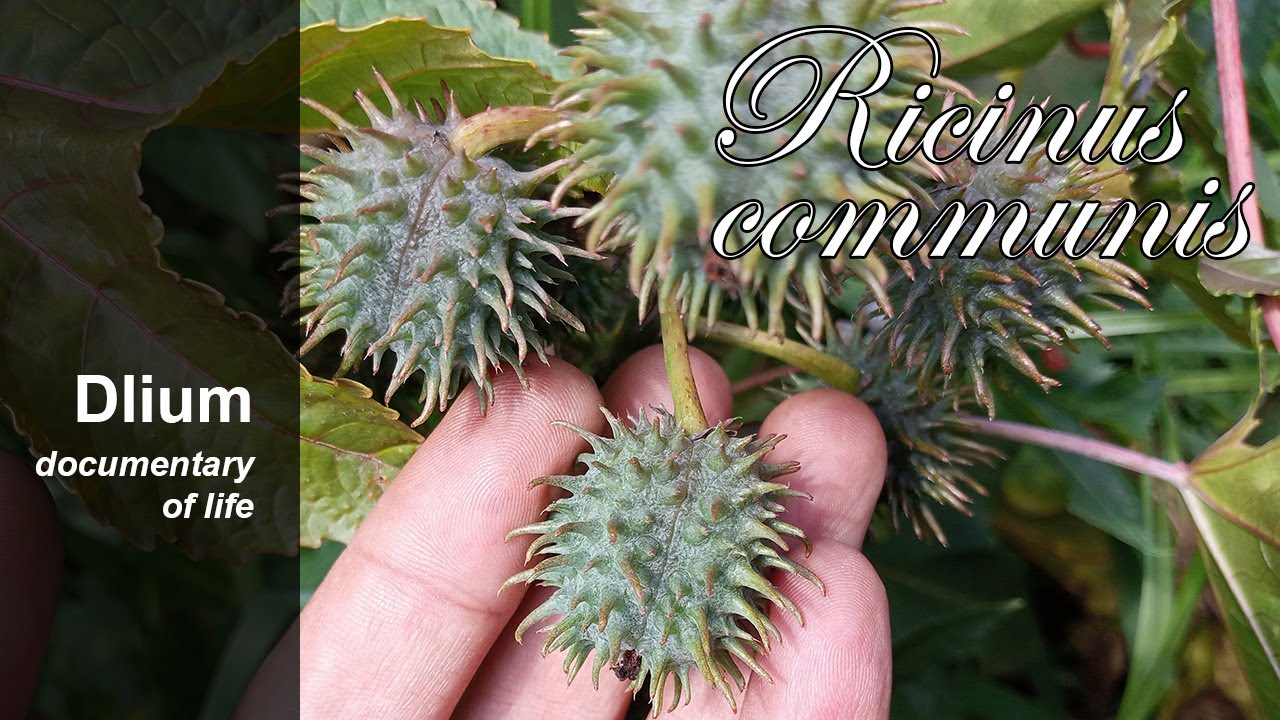

The Castor Bean plant is the sole species in the genus Ricinus, and native to the Mediterranean, Africa and India, but now widespread across the world in frost-free climates and also grown as an ornamental. It is a fast-growing plant that can reach the size of a small tree (about 40 feet!) quickly, and also produce suckers if hacked back. It produces large palmate leaves with 5-12 lobes that range from dark green to reddish in color, depending on the variety. The small flowers (green-red) are born in a structure like a panicle and are followed by showy fruiting display with spiny, greenish to purple or red capsules containing a large brown-mottled seed that is highly poisonous. The Castor Bean (not really botanically a bean, but a seed), is a source of castor oil, which has numerous uses industrial and medicinal. Also present in the seed (and throughout the rest of the plant) is a water-soluble toxin called ricin, which is a highly potent toxin, lethal to humans in tiny amounts.
Medicinal Parts: the oil extracted from the seeds, the fat extracted from the oil, and the ripe and dried seeds.
Constituents
Castor Seeds
Fatty oil (42 to 55%)
Proteic substances (20 - 25%)
Lectins (0.1 to 0.7%) including ricin D (RCA-60, severely toxic), RCA-120 (less toxic)
Pyrridine alkaloids: ricinine (up to 0.3%)
Triglycerides: chief fatty acids ricinoleic acid (12-hydroxyoleic acid, 85 to 90%)
Tocopherols (vitamin E)
Effects
The laxative principle of Castor Oil is the ricinolic acid. Ricinolic acid is anti-absorptive and secretogogic. In animal experiments, stimulation of PgE2 synthesis in the small intestine was proven. The possible reason for effectiveness of ricin semen is the antimicrobial activity of the seeds (ricin is highly toxic)
The Physiomedical Dispensatory by William Cook, M.D., 1869
The leaves of ricinus, wilted in warm water and laid on the breasts, are said to promote the secretion of milk quite actively. The fresh leaves are better than the dried, though both are used.
On the other hand, some physicians assert that they will decidedly diminish this secretion.
Admixture with lard is said to diminish its tendency to become rancid. It may be used in cerates in place of olive oil, when mild stimulation is desired
Articles/Studies
Ants, constipation, murder and the seeds of Ricinus communis
Anti-inflammatory and free radical scavenging activity of Ricinus communis root extract
The interaction of Ricinus communis agglutinin with normal and tumor cell surfaces