Zigzag Iris
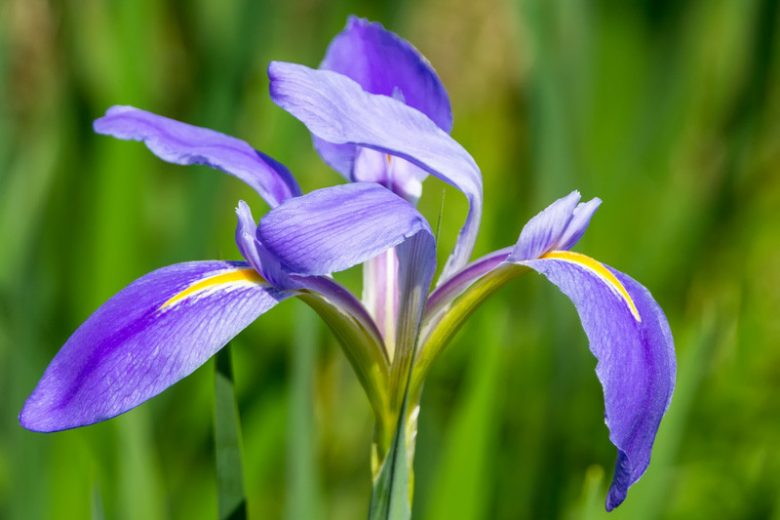
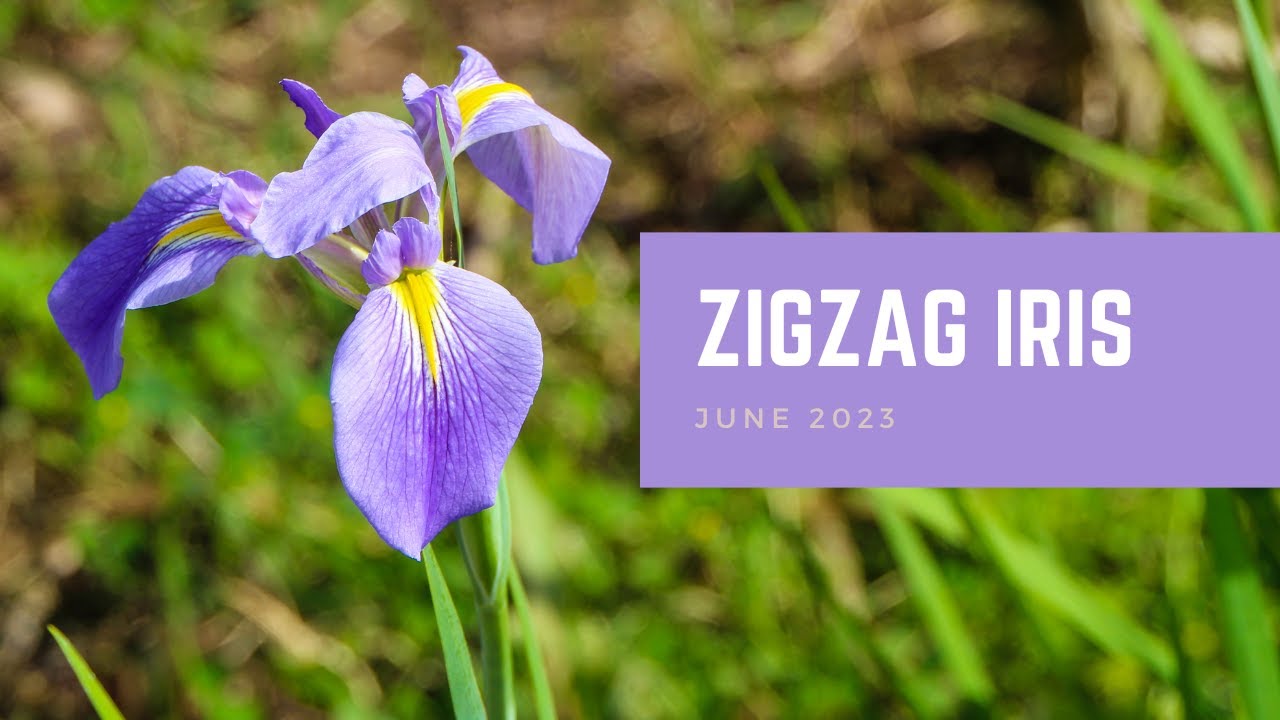
The Zigzag Iris, scientifically known as Iris brevicaulis, is a captivating species of iris that is native to North America. This perennial plant is renowned for its unique zigzagging stems and striking blue to violet flowers. It is a member of the Iridaceae family and is often found in wetland areas, making it a fascinating subject for both botanists and garden enthusiasts.
Botanical Characteristics
Appearance
The Zigzag Iris is easily identifiable by its distinctive growth pattern. The plant typically reaches a height of 12 to 24 inches. Its stems are slender and exhibit a characteristic zigzag pattern, which is a key feature that sets it apart from other iris species. The leaves are sword-shaped, green, and can grow up to 24 inches long, providing a lush backdrop to the vibrant flowers.
Flowers
The flowers of Iris brevicaulis are one of its most striking features. Blooming in late spring to early summer, the flowers are usually blue to violet, although variations in color can occur. Each flower has three large, drooping sepals (known as falls) and three smaller, upright petals (known as standards). The falls often have a white or yellow signal patch, adding to the flower's intricate beauty.
Habitat
Iris brevicaulis thrives in wetland environments. It is commonly found in marshes, swamps, and along the edges of streams and ponds. The plant prefers full sun to partial shade and can tolerate a range of soil types, although it thrives best in moist, well-drained soils. Its natural habitat spans across the central and southeastern United States, from Texas to Illinois and eastward to the Atlantic coast.
Ecological Importance
The Zigzag Iris plays a significant role in its native ecosystem. It provides habitat and food for various wildlife species. The flowers attract pollinators such as bees and butterflies, which are essential for the plant's reproduction. Additionally, the dense foliage offers shelter for small animals and helps stabilize soil in wetland areas, preventing erosion.
Cultivation and Care
Planting
For those interested in cultivating Iris brevicaulis in their gardens, it is important to mimic its natural habitat as closely as possible. The plant should be placed in a location that receives full sun to partial shade and has consistently moist soil. It can be planted in garden beds, along water features, or in containers with adequate drainage.
Maintenance
The Zigzag Iris is relatively low-maintenance once established. Regular watering is crucial, especially during dry periods, to ensure the soil remains moist. Mulching around the base of the plant can help retain soil moisture and suppress weeds. Deadheading spent flowers can encourage further blooming and prevent the plant from self-seeding excessively.
Propagation
Iris brevicaulis can be propagated through division or seed. Division is the most common method and is best done in late summer to early fall. To divide the plant, carefully dig up the rhizomes, separate them into smaller sections, and replant them at the same depth. Seed propagation is also possible but requires patience, as it can take several years for the plants to reach maturity and bloom.
Uses in Landscaping
The Zigzag Iris is a versatile plant that can enhance various landscaping projects. Its striking flowers and unique growth habit make it an excellent choice for adding visual interest to garden beds and borders. It is also well-suited for naturalistic plantings, rain gardens, and water features. Additionally, its ability to thrive in wet conditions makes it an ideal plant for areas with poor drainage or seasonal flooding.