Eared Brome
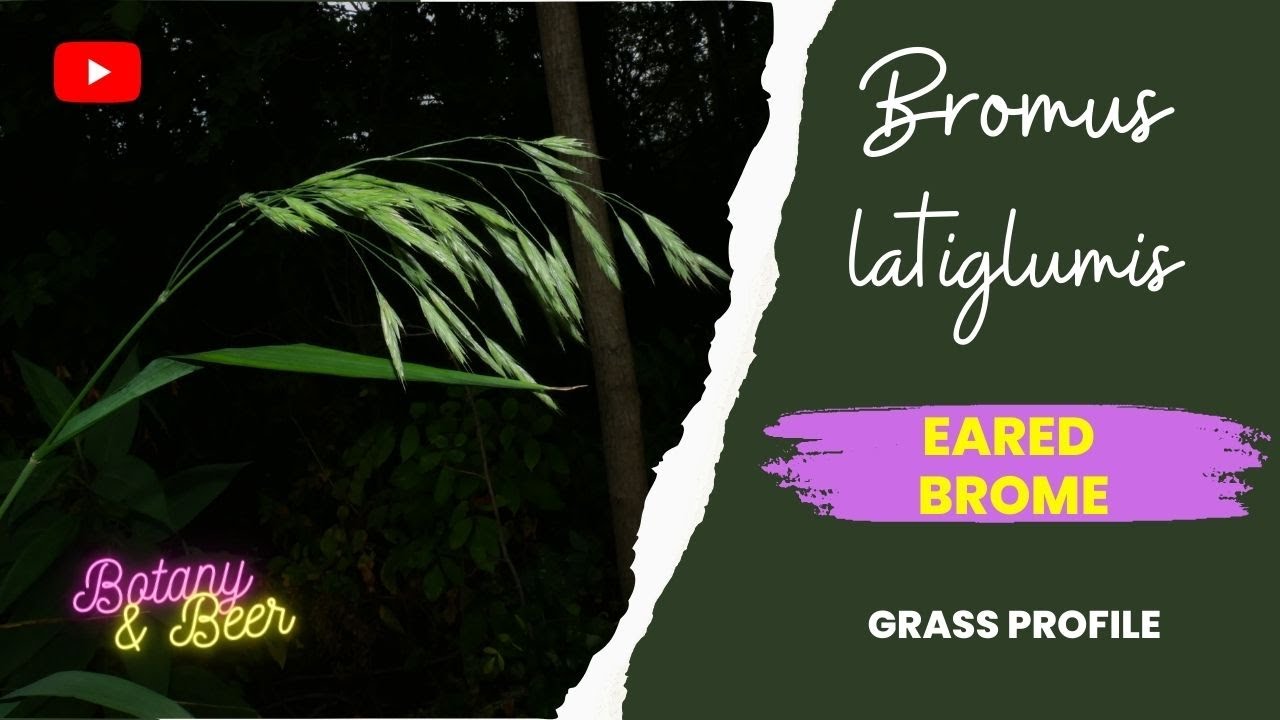
Eared Brome, scientifically known as Bromus latiglumis, is a perennial grass species that belongs to the Poaceae family. This grass is native to Europe and is widely distributed across the continent, thriving in a variety of habitats ranging from dry grasslands to open woodlands. Eared Brome is known for its adaptability and resilience, making it a valuable component of many ecosystems.
Physical Characteristics
Eared Brome is characterized by its slender, erect stems that can reach heights of up to 1 meter. The leaves are narrow and pointed, with distinctive "ears" or appendages at the base of the leaf blade, giving the plant its common name. The inflorescence of Eared Brome consists of dense, spike-like clusters of flowers that emerge in late spring to early summer. The flowers are typically greenish or purplish in color and give way to small, oval-shaped seeds.
Ecological Role
As a perennial grass species, Eared Brome plays a crucial role in ecosystem dynamics. It provides valuable forage for grazing animals such as sheep and cattle, contributing to the productivity of grasslands. Additionally, Eared Brome helps prevent soil erosion by forming dense root systems that stabilize the soil structure. The plant also serves as a habitat and food source for various insects, birds, and small mammals, further enhancing biodiversity in its native habitats.
Cultivation and Management
Eared Brome is commonly cultivated for forage production and soil stabilization purposes. It is well-suited to a range of soil types, including sandy, loamy, and clay soils, and can tolerate both acidic and alkaline conditions. The grass is relatively low-maintenance and can thrive in areas with moderate to low rainfall. When establishing Eared Brome in a new area, it is important to ensure proper soil preparation and seedbed management to promote successful growth and establishment.
Benefits and Uses
The versatility of Eared Brome makes it a valuable asset in various agricultural and ecological applications. In agriculture, the grass is utilized for pasture and hay production, providing nutritious forage for livestock. Eared Brome is also used in reclamation projects to restore degraded landscapes and prevent soil erosion. Additionally, the plant has ornamental value and is sometimes grown in gardens and landscaping for its attractive appearance and low maintenance requirements.