Columbia Jacaranda
Fact Sheet from the Smithsonian
Constituents
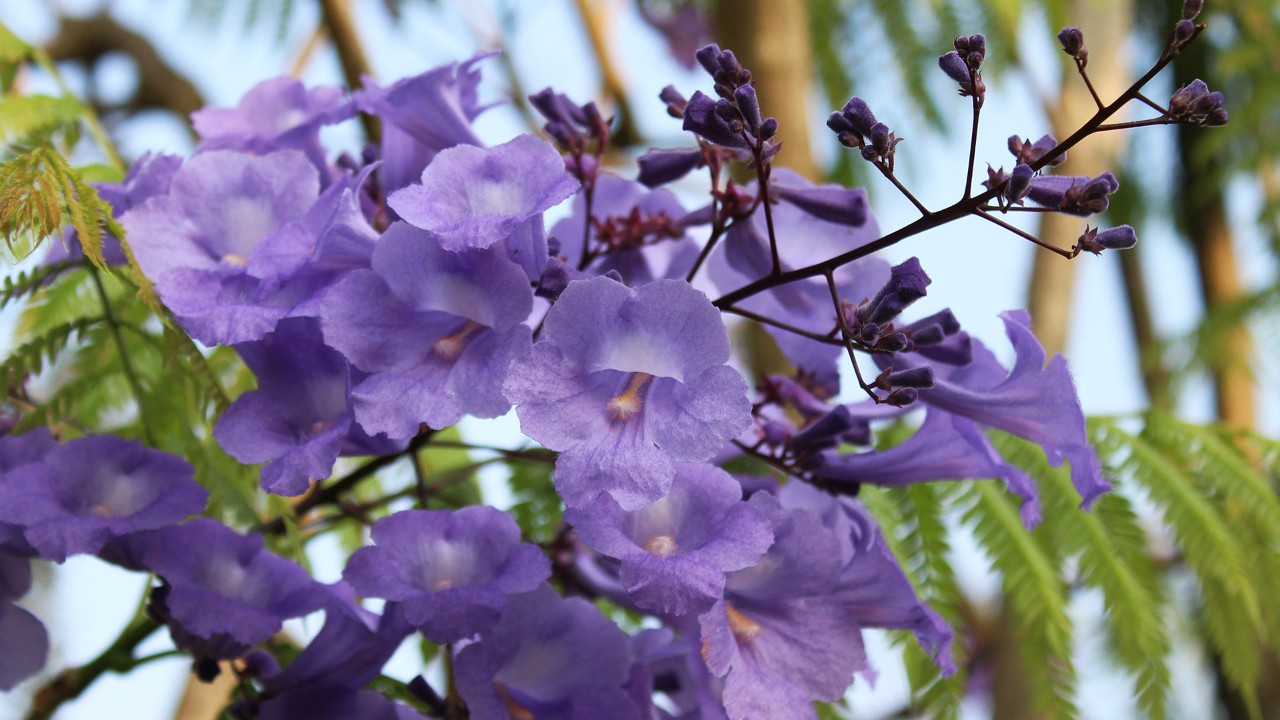
Jacaranda Caucana, also known as the Colombian Jacaranda, is a stunning tree species native to the Andean region of South America. With its vibrant purple flowers and elegant foliage, the Jacaranda Caucana is a beloved ornamental tree that adds beauty and charm to landscapes. Let's delve deeper into the characteristics, cultivation, and significance of this enchanting tree.
Characteristics
The Jacaranda Caucana is a deciduous tree that can reach heights of up to 20 meters, creating a majestic presence in any environment. One of its most striking features is its profusion of trumpet-shaped purple flowers that bloom in clusters, creating a breathtaking display of color. The flowers typically appear in the spring or early summer, transforming the tree into a vision of purple splendor.
In addition to its vibrant blooms, the Jacaranda Caucana is adorned with delicate, fern-like foliage that provides an elegant contrast to the boldness of its flowers. The leaves are typically compound and arranged in an alternate pattern along the branches, enhancing the tree's overall aesthetic appeal.
Cultivation
Cultivating Jacaranda Caucana requires attention to specific growing conditions to ensure the tree thrives and produces its iconic purple blooms. This tree thrives in tropical and subtropical climates, preferring full sun and well-drained soil. It is important to provide adequate watering, especially during the tree's establishment phase, to promote healthy growth and flowering.
Propagation of Jacaranda Caucana can be achieved through seeds or cuttings, with seeds being the most common method. The seeds should be planted in a well-draining potting mix and kept moist until germination occurs. Once established, the tree can be transplanted into the desired location, where it can grow and flourish with proper care and maintenance.
Pruning is essential to maintain the shape and health of the Jacaranda Caucana tree. Regular pruning can help control the tree's size, remove dead or damaged branches, and promote new growth. It is recommended to prune the tree during the dormant season to minimize stress and ensure optimal regrowth.
Significance
The Jacaranda Caucana holds cultural and symbolic significance in the regions where it is found. In Colombia, the tree is celebrated for its beauty and is often planted in parks, gardens, and along streets to enhance the landscape. The vibrant purple blooms of the Jacaranda Caucana are a source of joy and inspiration, symbolizing beauty, creativity, and transformation.
Beyond its ornamental value, the Jacaranda Caucana also plays a role in the ecosystem by providing habitat and food for various wildlife species. Birds, bees, and butterflies are attracted to the tree's nectar-rich flowers, contributing to the biodiversity of the area. Additionally, the tree's foliage provides shade and shelter for smaller creatures, further enriching the local environment.
Articles/Studies
Antioxidant Phenylethanoid Glycosides and a Neolignan from *Jacaranda caucana*
Potential anticancer agents. IV. Constituents of Jacaranda caucana Pittier (Bignoniaceae).