Daenensis Thyme
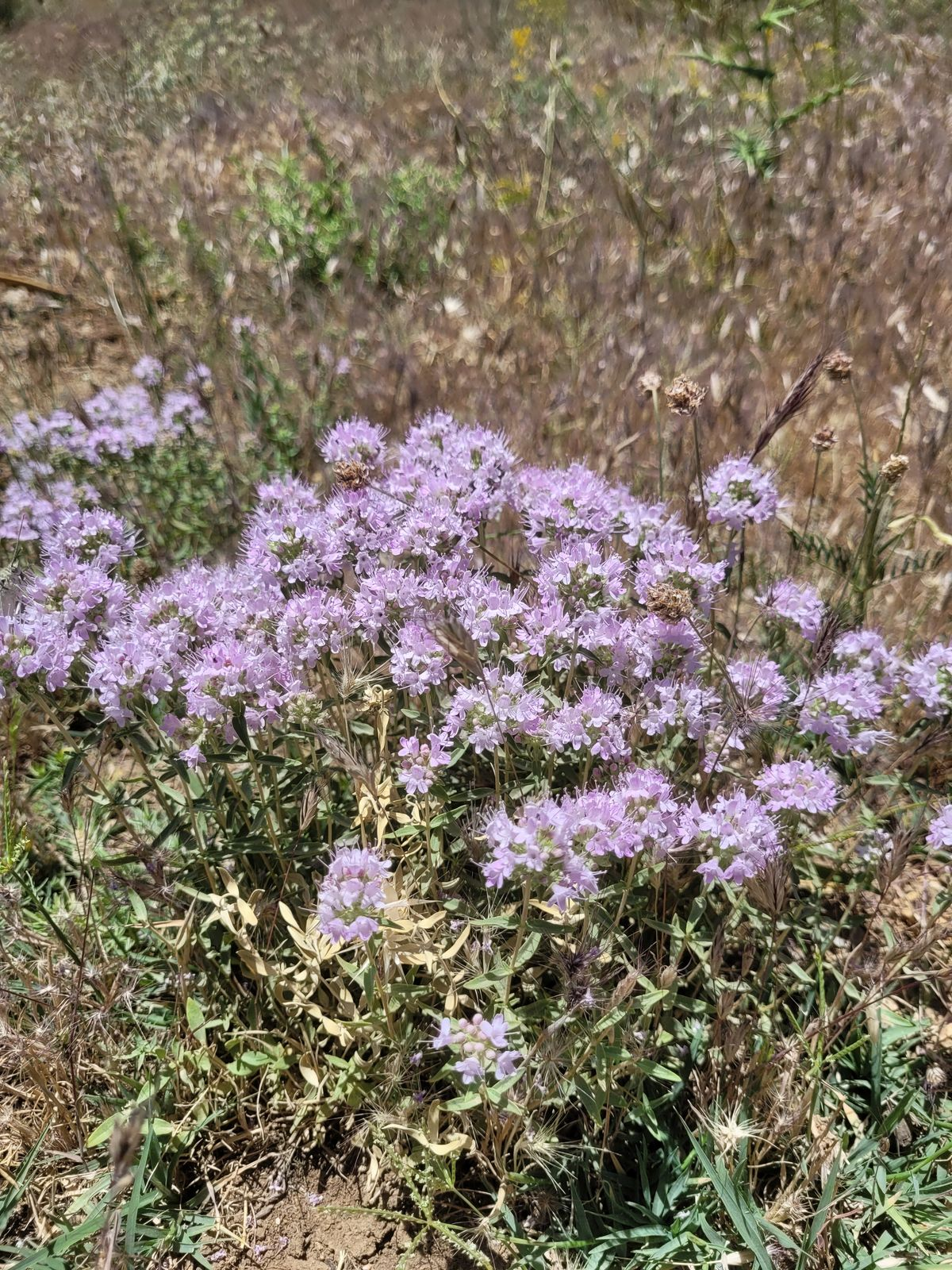
Thymus daenensis Celak, commonly known as Daenensis thyme, is a perennial herbaceous plant that belongs to the Lamiaceae family. This species is native to Iran and is known for its aromatic leaves and medicinal properties.
Characteristics
Thymus daenensis Celak is a small shrub that typically grows up to 20-30 centimeters in height. It has small, oval-shaped leaves that are densely packed along the stems. The leaves of this plant are gray-green in color and exude a strong, pleasant aroma when crushed. The flowers of Thymus daenensis Celak are small and range in color from pink to purple, adding to the plant's aesthetic appeal.
One of the distinctive features of Thymus daenensis Celak is its ability to thrive in arid and rocky environments. This resilience makes it a valuable plant in regions with challenging growing conditions. The plant's adaptability to harsh climates contributes to its widespread distribution in its native habitat.
Uses
Thymus daenensis Celak has been traditionally used for its medicinal properties for centuries. The essential oil extracted from the leaves of this plant is known for its antiseptic, anti-inflammatory, and antioxidant properties. It is commonly used in traditional medicine to treat respiratory ailments, digestive issues, and skin conditions.
In addition to its medicinal uses, Thymus daenensis Celak is also valued for its culinary applications. The aromatic leaves of the plant are used as a flavorful herb in cooking, adding a unique taste to various dishes. The dried leaves of Thymus daenensis Celak are often used to season meats, soups, and salads, enhancing the overall flavor profile of the dishes.
Beyond its medicinal and culinary uses, Thymus daenensis Celak is also cultivated for its ornamental value. The plant's compact size, attractive flowers, and aromatic foliage make it a popular choice for landscaping and garden design. It is often grown in rock gardens, borders, and containers, adding a touch of beauty and fragrance to outdoor spaces.
Significance
Thymus daenensis Celak holds cultural and ecological significance in its native region of Iran. The plant has been an integral part of traditional medicine practices in the region, with its healing properties being passed down through generations. The plant's presence in the ecosystem also plays a vital role in supporting biodiversity and maintaining ecological balance.
Furthermore, Thymus daenensis Celak serves as a symbol of resilience and adaptability in the face of challenging environmental conditions. Its ability to thrive in rocky terrains and arid climates showcases nature's remarkable capacity to survive and flourish in diverse habitats. The plant's resilience serves as a reminder of the importance of preserving and protecting biodiversity for future generations.
Articles/Studies
Antibacterial activity of Thymus daenensis methanolic extract.
Thymus vulgaris L. and Thymus daenensis Celak from mint family (Lamiacae) traditionally being used as source of the essential oil and phenolic components derived from their different parts. Growth, oil yield and chemical components of T. vulgaris and T. daenensis grown in different regions in south-central of Iran were investigated. The hydro-distillated oils obtained from wild and cultivated thyme species were analyzed by GC–MS. Twenty four components in total were identified representing more than 85–98% of the oil composition, with thymol (33.9–70.3%), carvacrol (4.0–24.8%), γ-terpinene (3.9–10.4%) and p-cymene (4.8–8.6%) in T. daenensis, and thymol (35.5–44.4%), carvacrol (4.4–16.1%), γ-terpinene (10.5–11.9%) and p-cymene (8.5–16.1%) in T. vulgaris as major constitutes. Location had no significant effect on growth characteristics of the two thyme species, but the quantity and quality of their essential oils were different in different regions. T. daenensis cultivated in Saman region produced highest thymol (70.3%), whereas those cultivated in Shahrekord region produced highest oil yield (1.16%, v/w). T. daenensis wild growing produced highest carvacrol (24.8%). The results indicated that essential oils and their chemical compositions of Thymus species are strongly affected by environmental conditions and agronomic management practices. Cultivation of thyme, especially T. daenensis proved to be superior in both oil content and quality, in terms of substantial contents of phenolic monoterpenoids (thymol). Results of this study suggest that wild growing of T. daenensis in semiarid condition is not rich in essential oil and thymol, therefore farmers in semiarid regions should grow cultivated species for producing highest economic amount of extracted essential oil and thymol for pharmaceutical, therapeutic and food purposes.
A critical overview on Thymus daenensis Celak.: phytochemical and pharmacological investigations