Avoiding Ticks
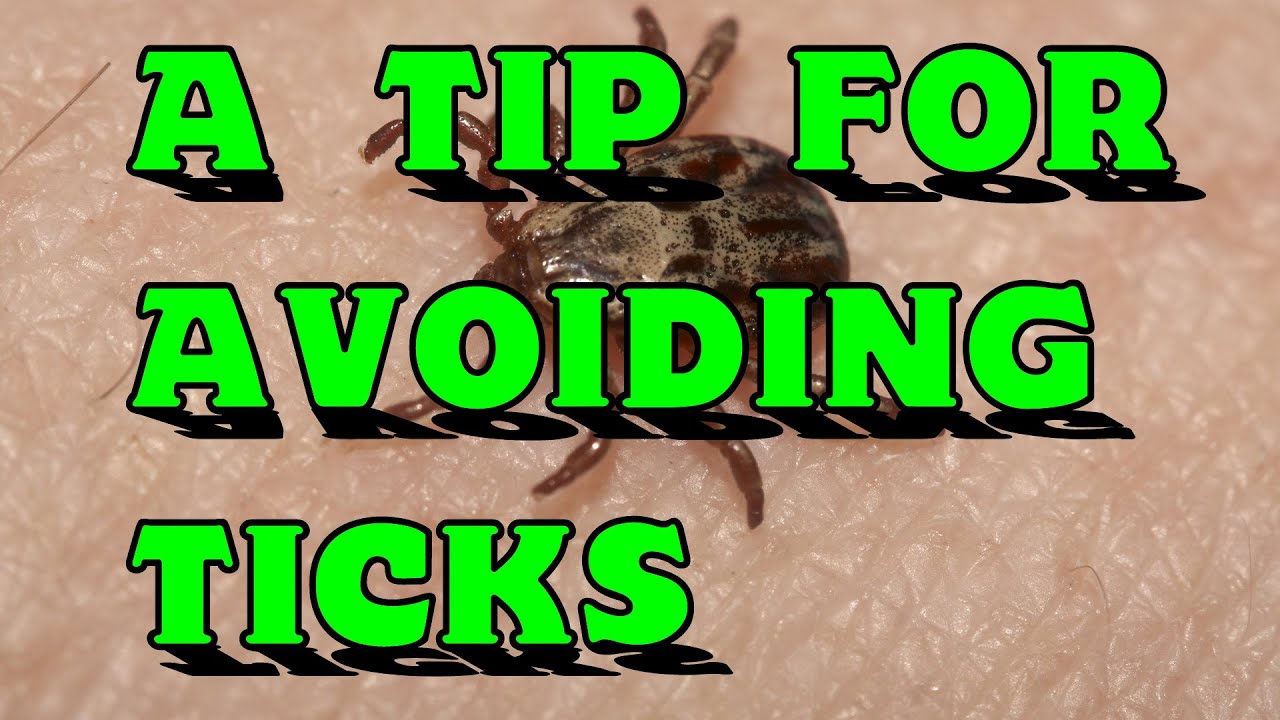
Ticks are small, blood-sucking arachnids that can pose significant health risks to humans and animals. They are known carriers of various diseases, including Lyme disease, Rocky Mountain spotted fever, and tularemia. Understanding how to avoid ticks is crucial, especially if you spend time outdoors in areas where ticks are prevalent. This guide provides practical tips and strategies to help you minimize your risk of tick bites and the potential diseases they carry.
Understanding Tick Habitats
Ticks thrive in warm, humid environments and are commonly found in wooded areas, tall grasses, and leaf litter. They are most active during the warmer months, from spring through fall. Knowing where ticks are likely to be found can help you take preventive measures when venturing outdoors.
Personal Protection Measures
1. Dress Appropriately
- Wear long sleeves and long pants to minimize skin exposure.
- Tuck your pants into your socks or boots to create a barrier against ticks.
- Choose light-colored clothing to make it easier to spot ticks.
2. Use Tick Repellents
- Apply insect repellent containing 20-30% DEET on exposed skin and clothing.
- Consider using permethrin-treated clothing and gear, which can repel and kill ticks on contact.
3. Perform Regular Tick Checks
- Conduct a full-body tick check after spending time outdoors, especially in tick-prone areas.
- Pay close attention to areas such as the armpits, groin, scalp, and behind the ears.
Environmental Management
1. Maintain Your Yard
- Keep grass mowed short and remove leaf litter and brush.
- Create a barrier of wood chips or gravel between your lawn and wooded areas to deter ticks.
- Stack wood neatly and in a dry area to discourage tick habitats.
2. Use Tick Control Products
- Consider using acaricides, which are pesticides specifically designed to kill ticks.
- Consult with a pest control professional for safe and effective application.
Pet Protection
Pets can easily bring ticks into your home, increasing the risk of tick bites for your family. Here are some ways to protect your pets:
- Use veterinarian-recommended tick prevention products, such as collars, topical treatments, or oral medications.
- Regularly check your pets for ticks, especially after they have been outdoors.
- Keep your pets out of tick-infested areas as much as possible.
What to Do If You Find a Tick
If you find a tick on your body, it is important to remove it promptly and correctly to reduce the risk of disease transmission.
Steps for Safe Tick Removal
- Use fine-tipped tweezers to grasp the tick as close to the skin's surface as possible.
- Pull upward with steady, even pressure. Avoid twisting or jerking the tick, as this can cause parts of the tick to break off and remain in the skin.
- After removing the tick, clean the bite area and your hands with rubbing alcohol, an iodine scrub, or soap and water.
- Dispose of the tick by submerging it in alcohol, placing it in a sealed bag/container, or flushing it down the toilet.
Monitor for Symptoms
After a tick bite, monitor for symptoms of tick-borne diseases, such as fever, rash, fatigue, or joint pain. If you experience any of these symptoms, seek medical attention promptly.