Compact Dodder / Love-vine
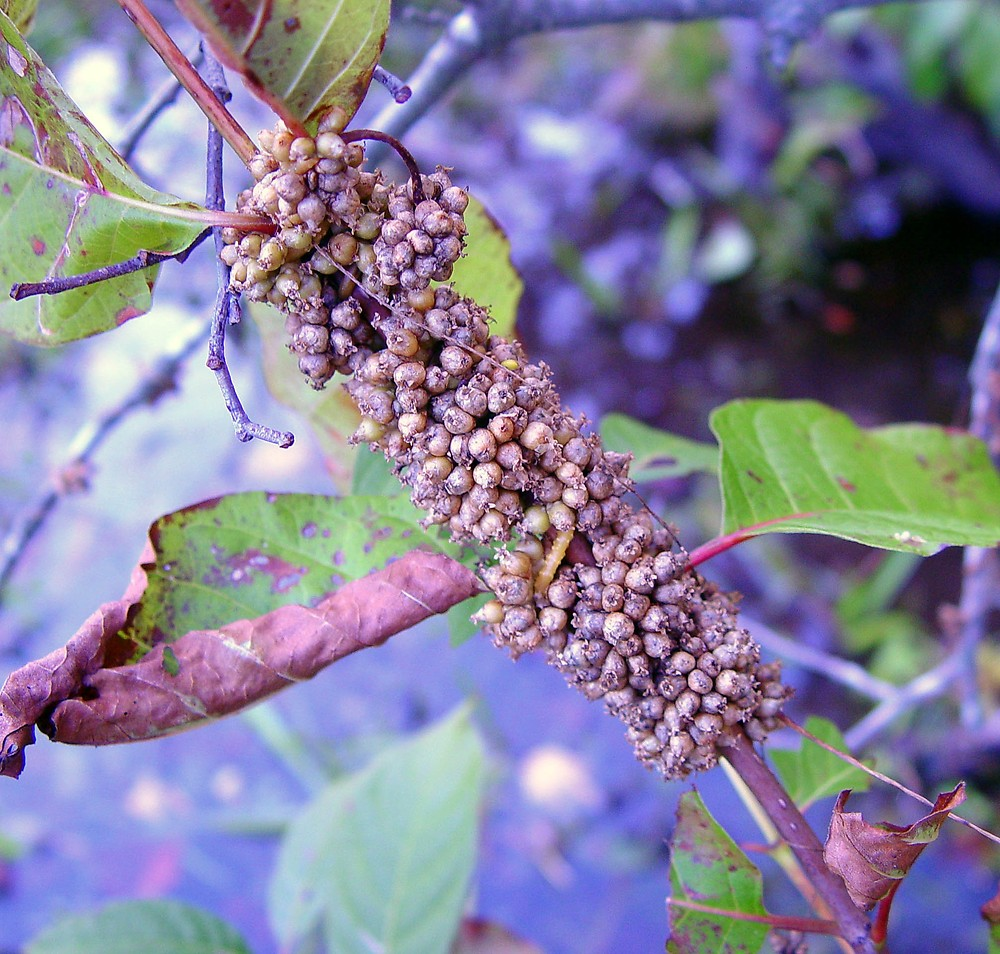
Cuscuta compacta, commonly known as compact dodder, is a plant parasite that belongs to the Convolvulaceae family. This parasitic plant is native to North America and is known for its parasitic lifestyle, where it lacks chlorophyll and relies on other host plants for nutrients.
Characteristics of Cuscuta compacta
One of the most distinctive features of Cuscuta compacta is its thread-like, twining stems that wrap around the host plant to extract nutrients. These stems are yellow to orange in color, giving the plant a striking appearance. Unlike typical plants that photosynthesize to produce their food, Cuscuta compacta is holoparasitic, meaning it depends entirely on its host for sustenance. This parasitic lifestyle has led to the reduction of leaves in Cuscuta compacta, as they are no longer needed for photosynthesis.
Life Cycle and Reproduction
The life cycle of Cuscuta compacta begins with the germination of tiny seeds that lie dormant in the soil until they come into contact with a suitable host plant. Once the seed germinates, the young seedling must quickly find a host to establish a connection and start extracting nutrients. The dodder plant then forms haustoria, specialized structures that penetrate the host plant's vascular system to absorb water and nutrients.
Reproduction in Cuscuta compacta primarily occurs through the production of seeds. The plant produces small, white flowers that develop into seed capsules containing numerous tiny seeds. These seeds are dispersed through various means, such as wind, water, or animal transport, allowing the plant to colonize new areas and find suitable host plants for germination.
Ecological Significance
While Cuscuta compacta is considered a parasitic plant that negatively impacts its host's growth and vigor, it also plays a role in the ecosystem. Dodder plants can serve as indicators of environmental health, as their presence may indicate changes in soil quality or the presence of certain host plants. Additionally, Cuscuta compacta contributes to biodiversity by providing habitat and food sources for various insects and birds.
Despite its parasitic nature, Cuscuta compacta has been studied for its potential medicinal properties. Some compounds found in dodder plants have shown antimicrobial and antioxidant properties, suggesting possible pharmaceutical applications in the future.
Control and Management
Controlling Cuscuta compacta can be challenging due to its ability to spread rapidly and infest a wide range of host plants. Integrated pest management strategies are often employed to manage dodder infestations, including cultural practices, such as removing infected plants, and chemical control methods using herbicides. However, care must be taken to minimize the impact on non-target species and the environment when using chemical control methods.