Propionic acidemia
Propionic acidemia is an inherited disorder in which the body is unable to process certain parts of proteins and lipids (fats) properly. It is classified as an organic acid disorder, which is a condition that leads to an abnormal buildup of particular acids known as organic acids
Moderna and the Propionic Acidemia Foundation

Propionic acidemia is a rare genetic disorder that affects the body's ability to process certain parts of proteins and lipids (fats) properly. This condition is part of a group of disorders known as organic acidemias, which are characterized by the accumulation of organic acids in the body. Propionic acidemia is caused by a deficiency of the enzyme propionyl-CoA carboxylase, which is crucial for breaking down specific amino acids and lipids.
Causes and Genetics
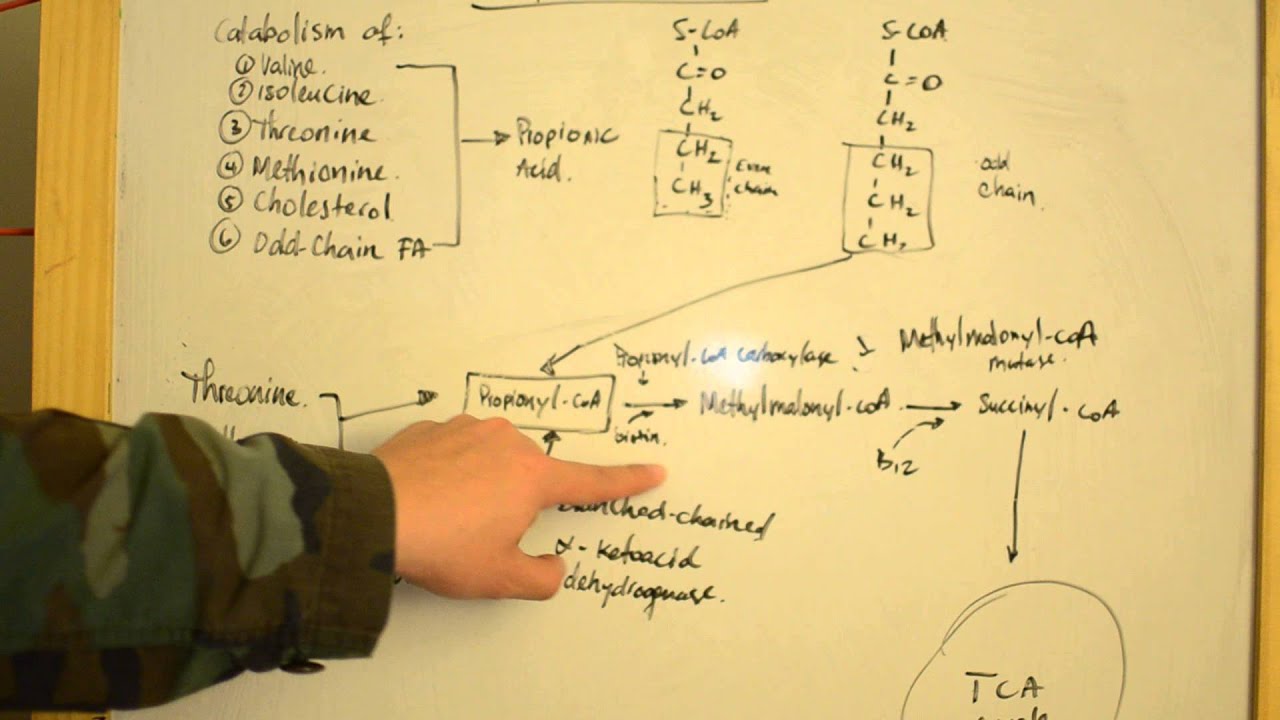
Propionic acidemia is an autosomal recessive disorder, meaning that an individual must inherit two copies of the defective gene, one from each parent, to be affected. The condition is caused by mutations in the PCCA or PCCB genes, which provide instructions for making the two subunits of the enzyme propionyl-CoA carboxylase. This enzyme is responsible for converting propionyl-CoA to methylmalonyl-CoA, a critical step in the metabolism of certain amino acids, cholesterol, and fatty acids.
When this enzyme is deficient or nonfunctional, propionyl-CoA accumulates in the body, leading to the buildup of toxic substances that can cause damage to various organs and systems.
Symptoms and Diagnosis
The symptoms of propionic acidemia can vary widely among affected individuals, but they often appear within the first few days of life. Common symptoms include:
- Poor feeding
- Vomiting
- Lethargy
- Hypotonia (reduced muscle tone)
- Seizures
- Developmental delay
In severe cases, propionic acidemia can lead to life-threatening complications such as metabolic acidosis, hyperammonemia (elevated ammonia levels in the blood), and cardiomyopathy (heart muscle disease).
Diagnosis of propionic acidemia typically involves a combination of clinical evaluation, biochemical testing, and genetic testing. Newborn screening programs in many countries include tests for propionic acidemia, allowing for early detection and intervention.
Treatment and Management
There is currently no cure for propionic acidemia, but treatment focuses on managing symptoms and preventing metabolic crises. Key components of treatment include:
- Dietary Management: A low-protein diet is often recommended to reduce the intake of amino acids that cannot be properly metabolized. Special medical formulas and foods may be used to ensure adequate nutrition while limiting harmful substances.
- Medications: Some individuals may benefit from medications such as carnitine, which helps to remove toxic substances from the body, or antibiotics to reduce the production of propionic acid by gut bacteria.
- Emergency Care: During metabolic crises, immediate medical attention is required. This may involve intravenous fluids, glucose, and other treatments to stabilize the patient and prevent complications.
- Liver Transplantation: In some severe cases, liver transplantation may be considered as a treatment option. The liver contains a significant amount of the enzyme propionyl-CoA carboxylase, and a transplant can help improve metabolic control.
Prognosis and Long-term Outlook
The prognosis for individuals with propionic acidemia varies depending on the severity of the condition and the effectiveness of treatment. With early diagnosis and proper management, many individuals can lead relatively normal lives, although they may still experience developmental delays and other health challenges.
Regular follow-up with a team of healthcare professionals, including metabolic specialists, dietitians, and neurologists, is essential for monitoring the condition and adjusting treatment as needed.
Research and Future Directions
Ongoing research into propionic acidemia aims to improve understanding of the condition and develop new treatments. Areas of interest include:
- Gene therapy: Exploring the potential of gene therapy to correct the underlying genetic defect.
- Enzyme replacement therapy: Investigating the use of synthetic or recombinant enzymes to supplement deficient enzyme activity.
- Newborn screening: Enhancing screening techniques to ensure early and accurate detection of propionic acidemia.
As research progresses, there is hope for more effective treatments and improved outcomes for individuals with propionic acidemia.