HIV/AIDS
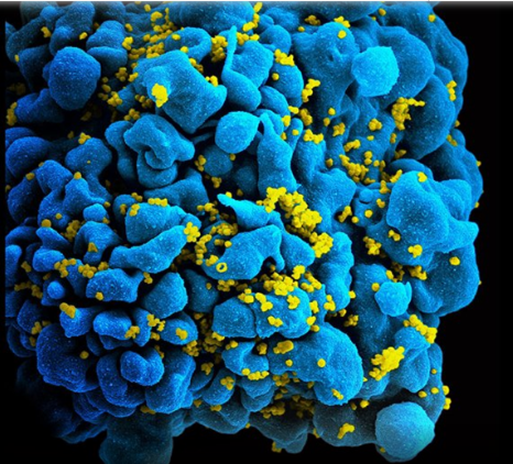
HIV-infected T cell. Scanning electromicrograph of an HIV-infected T cell. (Credit: NIAID)
Videos
Documentary:

HIV Cure Research Overview with Dr. Raj Gandhi
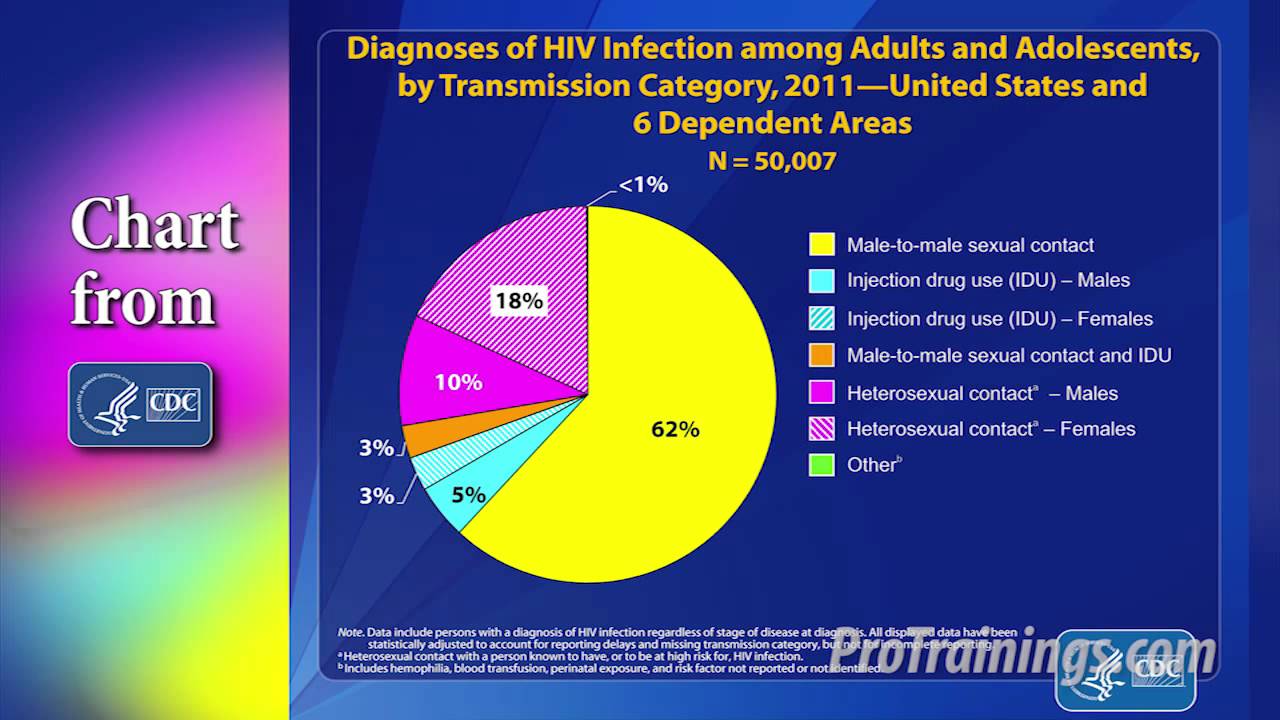
The MOST Important Nutritional Protocol for HIV/AIDS
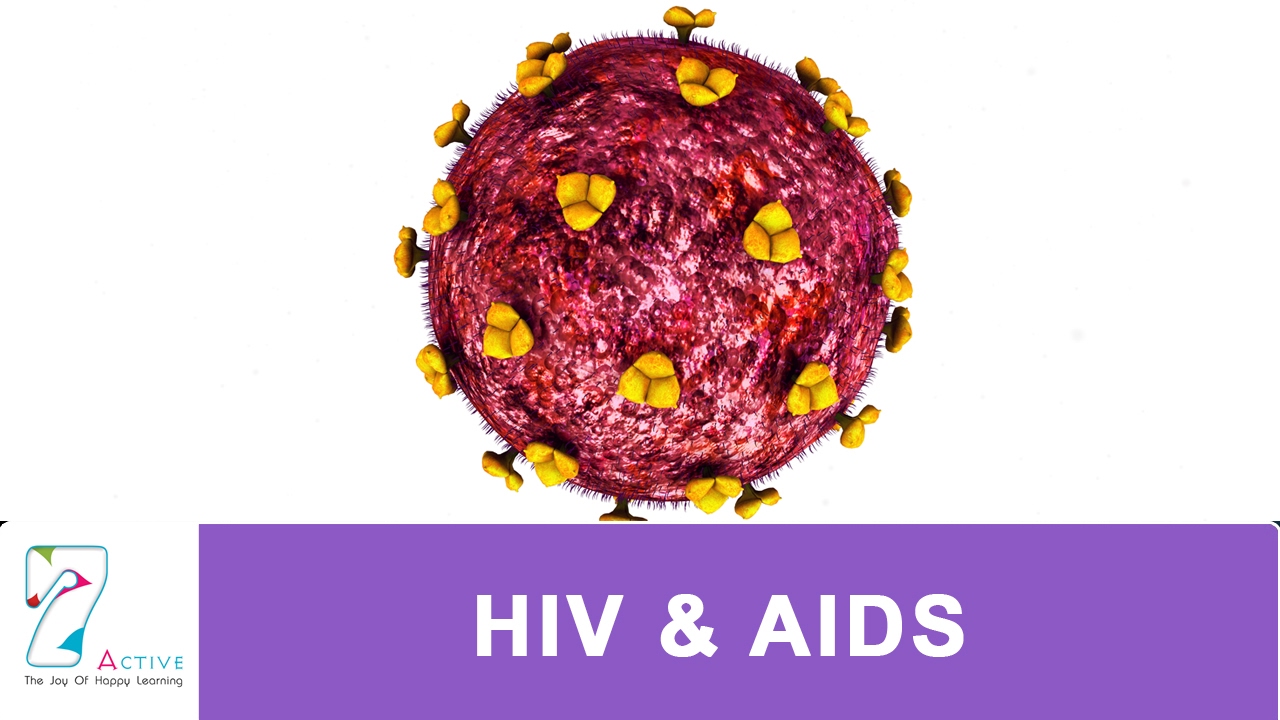
2023 Update on Management
End-of-Life HIV Research - Exploring Ethics
Human Immunodeficiency Virus (HIV) and Acquired Immunodeficiency Syndrome (AIDS) are significant global health issues that have impacted millions of lives since their discovery.
What is HIV?
HIV is a virus that attacks the body's immune system, specifically the CD4 cells (T cells), which are crucial for fighting infections. Over time, HIV can destroy so many of these cells that the body can’t fight off infections and diseases. Unlike some other viruses, the human body cannot get rid of HIV completely, so once a person has HIV, they have it for life.
What is AIDS?
AIDS is the most severe phase of HIV infection. It occurs when the immune system is badly damaged by the virus, leading to the development of certain cancers or a range of opportunistic infections. Without treatment, people with AIDS typically survive about three years. However, with proper medical care, HIV can be controlled, and the progression to AIDS can be prevented.
Transmission of HIV
HIV is transmitted through the exchange of certain body fluids from an infected person, such as:
- Blood
- Semen
- Pre-seminal fluid
- Rectal fluids
- Vaginal fluids
- Breast milk
The most common ways HIV is spread include:
- Unprotected sexual contact with an infected person.
- Sharing needles or syringes with someone who has HIV.
- From mother to child during pregnancy, childbirth, or breastfeeding.
- Less commonly, through blood transfusions or organ transplants from an infected donor.
Symptoms of HIV/AIDS
The symptoms of HIV vary depending on the stage of infection:
Acute HIV Infection
- Fever
- Chills
- Rash
- Night sweats
- Muscle aches
- Sore throat
- Fatigue
- Swollen lymph nodes
- Mouth ulcers
Clinical Latency Stage
During this stage, the virus is still active but reproduces at very low levels. People may not have any symptoms or get sick during this time.
Progression to AIDS
- Rapid weight loss
- Recurring fever or profuse night sweats
- Extreme and unexplained tiredness
- Prolonged swelling of the lymph glands
- Diarrhea that lasts for more than a week
- Sores of the mouth, anus, or genitals
- Pneumonia
- Red, brown, pink, or purplish blotches on or under the skin or inside the mouth, nose, or eyelids
- Memory loss, depression, and other neurologic disorders
Prevention of HIV
Preventing HIV involves several strategies:
- Use of condoms during sexual intercourse.
- Pre-exposure prophylaxis (PrEP) for people at high risk of HIV.
- Post-exposure prophylaxis (PEP) after potential exposure to the virus.
- Regular testing and treatment for sexually transmitted infections (STIs).
- Avoiding the sharing of needles or syringes.
- Ensuring blood products are screened for HIV.
Treatment of HIV/AIDS
While there is no cure for HIV, it can be controlled with proper medical care. The primary treatment for HIV is antiretroviral therapy (ART), which involves taking a combination of HIV medicines every day. ART helps:
- Reduce the viral load to undetectable levels.
- Improve the quality of life.
- Reduce the risk of transmission to others.
- Prevent the progression to AIDS.
Living with HIV/AIDS
Living with HIV/AIDS requires ongoing medical care and lifestyle adjustments. Key aspects include:
- Regular medical check-ups and adherence to ART.
- Maintaining a healthy diet and regular exercise.
- Mental health support to cope with the emotional aspects of living with HIV.
- Support from family, friends, and support groups.
Global Impact and Efforts
HIV/AIDS remains a major global public health issue. According to the World Health Organization (WHO), millions of people are living with HIV worldwide, with a significant number of new infections and AIDS-related deaths each year. Global efforts to combat HIV/AIDS include:
- Increasing access to testing and treatment.
- Promoting education and awareness to reduce stigma and discrimination.
- Supporting research for vaccines and a cure.
- Strengthening healthcare systems to provide comprehensive care.
Articles/Studies
Questioning the HIV-AIDS hypothesis: 30 years of dissent
Association of low vitamin D status with complications of HIV and AIDS.