Wild Pineapple
Constituents
The Wild Pineapple, scientifically known as Bromelia pinguin, is a plant native to the tropical regions of the Americas. This plant is not only known for its striking appearance but also for its various uses and ecological significance.
Characteristics
Bromelia pinguin is a member of the Bromeliaceae family, which includes other well-known plants such as the cultivated pineapple (Ananas comosus). The Wild Pineapple is a perennial plant that typically grows in dense clumps. Here are some key characteristics:
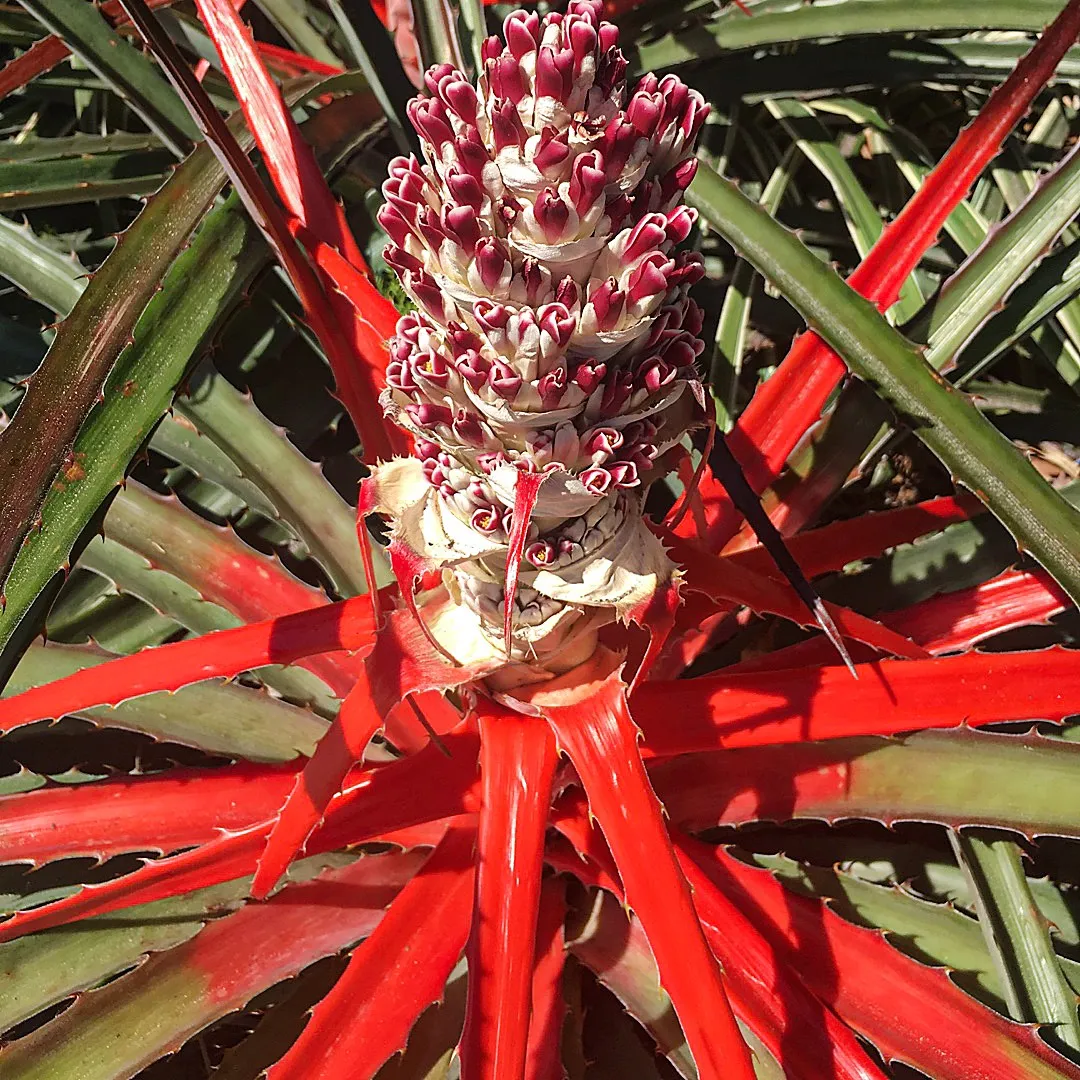
- Leaves: The plant has long, stiff, and spiny leaves that can grow up to 1.5 meters in length. The leaves are arranged in a rosette pattern and are often green with a reddish tint.
- Flowers: The Wild Pineapple produces small, tubular flowers that are usually red or purple. These flowers are arranged in a dense inflorescence.
- Fruit: The fruit of the Wild Pineapple is a small, berry-like structure that is edible but very acidic. It is often yellow or orange when ripe.
Habitat
The Wild Pineapple is native to a wide range of tropical and subtropical regions in the Americas, including:
- Central America: Countries such as Mexico, Guatemala, and Honduras.
- Caribbean: Islands like Cuba, Jamaica, and the Dominican Republic.
- South America: Nations including Colombia, Venezuela, and Brazil.
This plant thrives in a variety of habitats, from coastal areas to inland forests. It is particularly well-adapted to dry, sandy soils and can often be found in scrublands and savannas.
Uses
The Wild Pineapple has been utilized by indigenous peoples and local communities for various purposes:
- Food: While the fruit is very acidic, it is sometimes consumed in small quantities or used to make beverages and preserves.
- Medicinal: The plant has been used in traditional medicine to treat a variety of ailments, including digestive issues and skin conditions. The leaves and fruit contain compounds that have anti-inflammatory and antimicrobial properties.
- Fiber: The tough, fibrous leaves can be processed to produce a strong fiber that is used to make ropes, mats, and other items.
- Ornamental: Due to its striking appearance, the Wild Pineapple is sometimes cultivated as an ornamental plant in gardens and landscapes.
Ecological Importance
The Wild Pineapple plays a significant role in its native ecosystems:
- Habitat: The dense clumps of Bromelia pinguin provide shelter and nesting sites for various animals, including birds, insects, and small mammals.
- Pollination: The flowers of the Wild Pineapple attract a variety of pollinators, including bees, butterflies, and hummingbirds. This helps to ensure the reproduction of the plant and the continuation of its species.
- Soil Stabilization: The extensive root system of the Wild Pineapple helps to stabilize the soil and prevent erosion, particularly in sandy or degraded areas.
Conservation
While the Wild Pineapple is not currently considered endangered, it faces several threats that could impact its populations:
- Habitat Loss: Deforestation and land conversion for agriculture and development are major threats to the natural habitats of Bromelia pinguin.
- Climate Change: Changes in temperature and precipitation patterns could affect the growth and distribution of the Wild Pineapple.
- Overharvesting: In some areas, the plant is harvested for its medicinal and fiber uses, which could lead to population declines if not managed sustainably.
Conservation efforts are needed to ensure the long-term survival of the Wild Pineapple. This includes protecting its natural habitats, promoting sustainable harvesting practices, and raising awareness about the ecological and cultural importance of this unique plant.