Cat Thyme
Constituents
Chemical defense of the mint plant, Teucrium marum (Labiatae)
Teucrium marum, commonly known as cat thyme or kitty crack, is a fascinating herb that belongs to the mint family, Lamiaceae. This perennial plant is native to the Mediterranean region and is known for its aromatic leaves and small pink flowers. While it shares a name with catnip (Nepeta cataria), it is a distinct plant with its own unique characteristics and uses.
Botanical Description
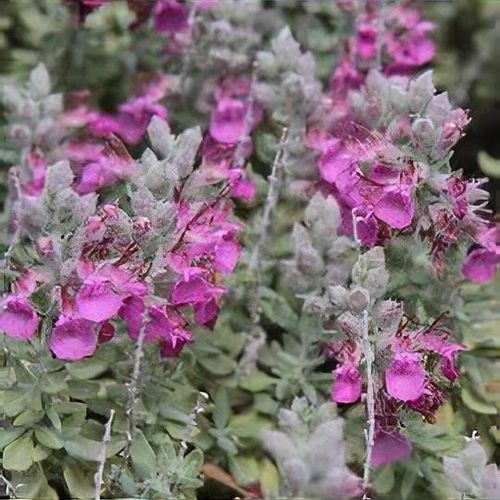
Teucrium marum is a low-growing shrub that typically reaches a height of about 30-60 centimeters. Its leaves are gray-green in color, lance-shaped, and covered with fine hairs, giving them a velvety texture. The plant produces clusters of small, tubular pink flowers that bloom in summer, attracting bees and other pollinators to the garden.
Cultivation and Growing Conditions
Cat thyme is relatively easy to grow and thrives in well-drained soil and full sun. It is drought-tolerant once established, making it a low-maintenance addition to the garden. This herb can be propagated from seeds or cuttings and is often used in rock gardens, borders, or as a ground cover. In regions with cold winters, it may benefit from some protection or be grown as an annual.
Aromatic and Medicinal Uses
Teucrium marum is valued not only for its ornamental qualities but also for its aromatic and medicinal properties. The leaves of the plant have a strong, pleasant scent that is reminiscent of a mix of thyme and oregano. In traditional medicine, cat thyme has been used to treat various ailments, including digestive issues, respiratory problems, and as a mild sedative.
Wildlife Attraction
The fragrant leaves and flowers of Teucrium marum make it attractive to a variety of wildlife, including bees, butterflies, and birds. The nectar-rich flowers provide a food source for pollinators, while the dense foliage can offer shelter for small insects and other garden creatures. Including cat thyme in your garden can help support local biodiversity and create a vibrant ecosystem.
Companion Planting
Cat thyme is a beneficial companion plant in the garden, as it can help repel certain pests and attract beneficial insects. The strong scent of the leaves may deter pests like aphids, whiteflies, and cabbage moths, reducing the need for chemical pesticides. Additionally, the flowers of Teucrium marum can attract predatory insects that feed on garden pests, providing natural pest control.
Cautions and Considerations
While Teucrium marum has many positive attributes, it is important to exercise caution when handling the plant. Some individuals may experience skin irritation or allergic reactions when in contact with the leaves or flowers. Additionally, pregnant women and pets should avoid ingesting cat thyme, as it may have mild sedative effects and could potentially cause adverse reactions.