Fibrin
Return to Hematology Menu
Formation of a fibrin clot:
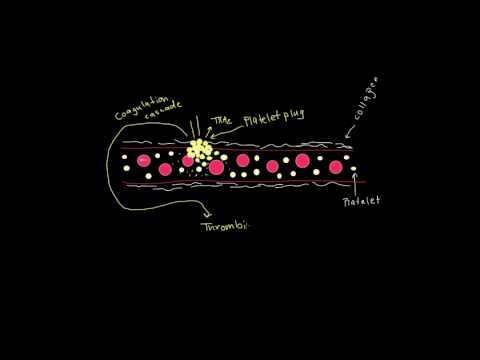
Fibrin is a protein that's involved in blood clotting. It's also known as Factor Ia.
Fibrin is formed when thrombin acts on fibrinogen, a soluble protein produced by the liver. The action of thrombin causes fibrinogen to polymerize, forming long, fibrous chains of fibrin. Fibrin is the main component of blood clots.
Fibrin is essential for blood clot contraction, which is the spontaneous shrinkage of the clot. This plays a role in hemostasis, wound healing, and restoring blood flow.
A normal, healthy level of fibrinogen is 200–400 mg/dL. High fibrinogen levels can be linked to:
Cancer, Rheumatoid arthritis, Pregnancy, Stroke, Heart attack, Infections, Inflammation.
Lifestyle changes can affect fibrinogen levels. The most effective change is to stop smoking. Other changes that may help include:
- Reducing weight or stress
- Increasing regular physical activity
- Eating more fruits and vegetables
- Avoiding sugary, processed, and fast foods
Dysfunction or disease of the liver can lead to a decrease in the production of fibrin's inactive precursor, fibrinogen, or to the production of abnormal fibrinogen molecules with reduced activity (dysfibrinogenaemia).