Th17 cells
Return to Lymphatic System Menu
These cells are Effector Cells
Th17 Cells and Innate Lymphoid Cells in Defense and Disease :
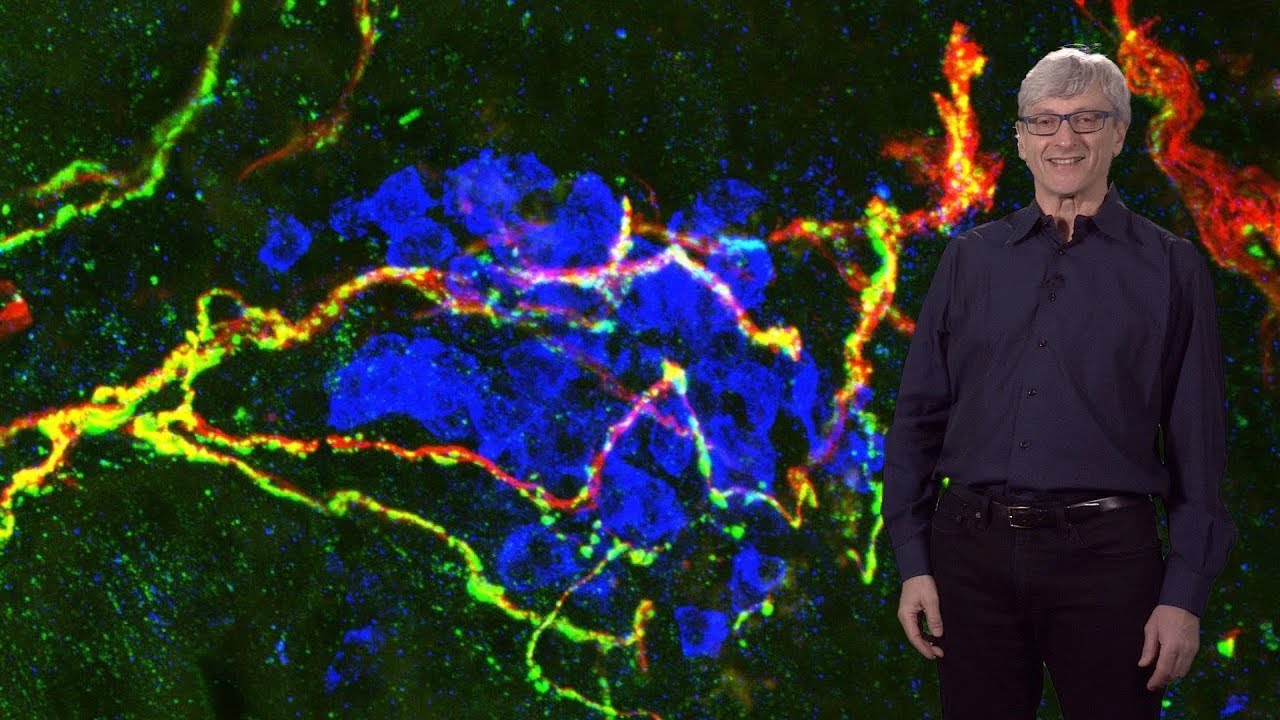
TH17 cells in autoimmune disease:

Th17 cells, a subset of T helper cells, play a crucial role in the immune system by mediating inflammatory responses and maintaining mucosal barriers. These cells are characterized by their production of the cytokine interleukin-17 (IL-17), which is pivotal in orchestrating the body's defense against extracellular pathogens, particularly bacteria and fungi. However, their dysregulation is also implicated in various autoimmune and inflammatory diseases.
Origin and Differentiation
Th17 cells originate from naive CD4+ T cells. Their differentiation is influenced by a specific cytokine milieu, primarily involving transforming growth factor-beta (TGF-β), interleukin-6 (IL-6), and interleukin-23 (IL-23). The presence of TGF-β and IL-6 initiates the differentiation process, while IL-23 is crucial for the stabilization and expansion of the Th17 cell population. The transcription factors RORγt and STAT3 are essential for the development and function of Th17 cells, guiding the expression of IL-17 and other related cytokines.
Functions of Th17 Cells
Th17 cells are integral to the immune system's ability to combat pathogens. Their primary function is to recruit neutrophils and other immune cells to sites of infection, enhancing the body's ability to clear pathogens. The cytokines produced by Th17 cells, including IL-17, IL-21, and IL-22, contribute to the inflammatory response and help maintain the integrity of mucosal barriers. These cytokines also stimulate the production of antimicrobial peptides by epithelial cells, further bolstering the body's defenses.
Role in Autoimmunity and Inflammation
While Th17 cells are vital for host defense, their dysregulation can lead to pathological conditions. An overactive Th17 response is associated with several autoimmune diseases, such as multiple sclerosis, rheumatoid arthritis, psoriasis, and inflammatory bowel disease. In these conditions, the excessive production of IL-17 and other pro-inflammatory cytokines leads to chronic inflammation and tissue damage. Understanding the balance between protective and pathogenic roles of Th17 cells is crucial for developing therapeutic strategies for these diseases.
Th17 Cells in Cancer
The role of Th17 cells in cancer is complex and context-dependent. In some cases, Th17 cells can promote tumor growth by creating a pro-inflammatory environment that supports cancer cell survival and proliferation. Conversely, they can also enhance anti-tumor immunity by recruiting and activating other immune cells. The dual nature of Th17 cells in cancer highlights the need for a nuanced approach when considering them as targets for cancer immunotherapy.
Therapeutic Implications
Given their involvement in various diseases, Th17 cells are a target for therapeutic intervention. Strategies to modulate Th17 cell activity include the use of monoclonal antibodies against IL-17 or its receptor, which have shown promise in treating conditions like psoriasis and ankylosing spondylitis. Additionally, small molecules that inhibit the signaling pathways involved in Th17 cell differentiation and function are being explored as potential treatments for autoimmune diseases.
It is likely that Akkermansia muciniphila influences T cell balance by reducing pro-inflammatory Th17 cells.
Fermented milk appears to potentially play a role in decreasing the Th17 response.
The purpose of Th17 cells is to clear pathogens, which are not efficiently handled by TH1 and TH2 type of immunity. The induction of Th17 responses must go through three distinct steps: Induction, amplification and stabilization. The stability of Th17 population is only relevant if it is protective against a given pathogen-invader or other kind of insult. If Th17 cells lose their stability they become highly proinflammatory and promote the destruction of your body’s tissues as occurs in autoimmune conditions. In essence, your immune system chooses to sacrifice body tissues by destroying in order to preserve the rest of your body. The TH-17 destroys tissue rather than allowing it to be inflamed.
In the presence of IL-23 the naïve T-cell converts into T-helper 17 cell (TH17) which releases multiple cytokines including GM-CSF (granulocyte monocyte colony stimulating factor – it acts on bone marrow to increase production of granulocytes and monocytes), IL21, IL22 (anti-inflammatory), IL-17 (pro-inflammatory), TNF, IL6. Those chemical messengers that attract other immune cells to the area of infection are called chemokines and are cytokines as well.
Ketogenic diets alter the gut microbiome resulting in decreased intestinal Th17 cells.
VACCINE RELATED INJURIES
Mercury or aluminum is put into vaccines to stimulate an immune response the contagious bacteria with the intention of developing immunity to the disease causing microbe. However, if a child is born with an over active TH17 response from the mother during pregnancy. A reaction, small or catastrophic may occur leaving the child impaired or worse. It is important to determine the immune status of the woman prior to or during pregnancy.