Telomeres
See also: Senolytic Therapies
Return to Cellular Biology Menu
Telomeres are the end caps on chromosomes. The Hayflick limit says after 50 divisions the cell stops dividing. The telomeres are the reason for that limit because telomerase isn't turned on.
Shorter DNA 'caps' in people who got sick as babies
Videos
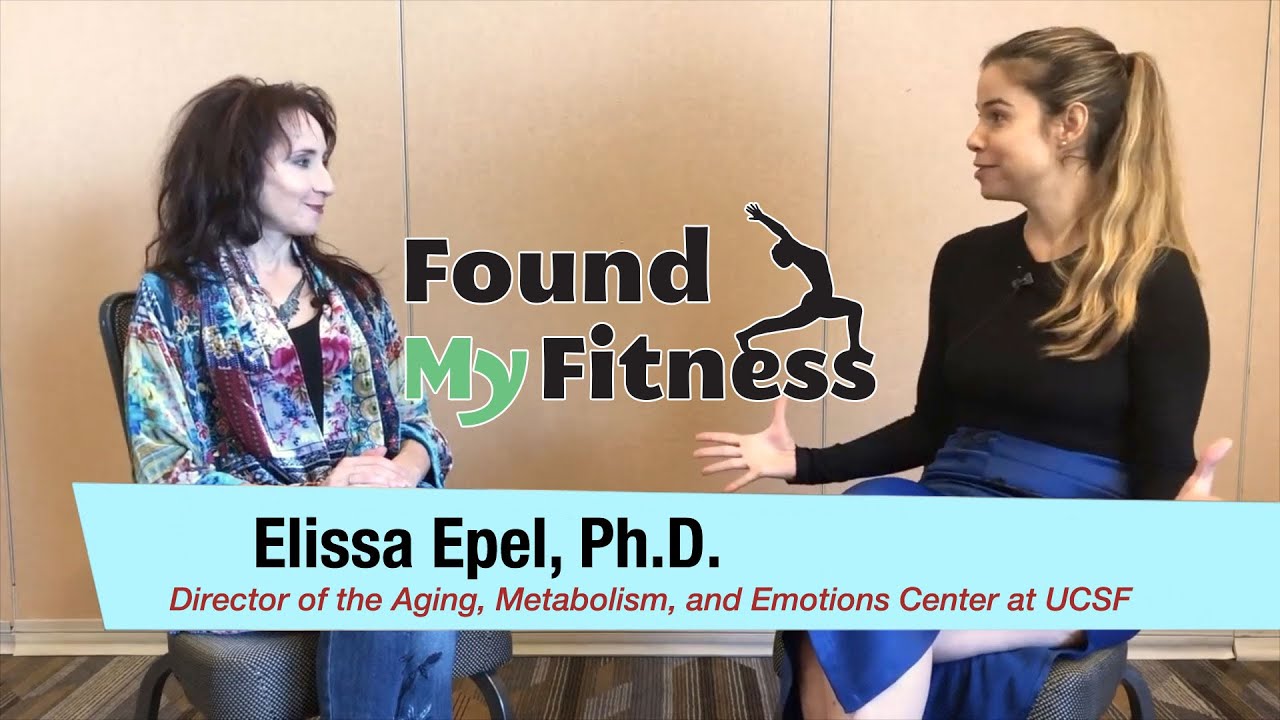
Emotions Stress and Rate of Telomere Shortening: Are Our Cells Listening to Us?



What to Eat to Prevent Telomere Shortening
Greens, Green Tea, and Nuts Put to the Test for Telomeres
Vitamin D’s Interesting Effect on Aging (Telomeres)
Y chromosomes, telomere length, cancer, and sex differences
Can telomere's be reinvigorated? See Regenerative Medicine
Telomeres are specialized structures located at the ends of chromosomes, playing a crucial role in maintaining genomic stability. These repetitive nucleotide sequences protect the ends of chromosomes from deterioration or fusion with neighboring chromosomes. In humans, the telomeric sequence is typically a series of TTAGGG repeats. Telomeres are often compared to the plastic tips of shoelaces, which prevent the laces from fraying.
Structure and Function
Composition
Telomeres are composed of:
- Repetitive DNA sequences (TTAGGG in humans)
- A protein complex known as shelterin, which protects telomeres and regulates their length
Protective Role
The primary function of telomeres is to protect chromosome ends from being recognized as DNA damage. Without telomeres, chromosome ends could be mistakenly repaired, leading to chromosome fusion and genomic instability. Telomeres also prevent the loss of genetic information during cell division.
Telomere Shortening
Mechanism
Each time a cell divides, its telomeres become slightly shorter due to the end-replication problem. This is because DNA polymerase, the enzyme responsible for replicating DNA, cannot fully replicate the ends of linear chromosomes. Over time, this progressive shortening can lead to critically short telomeres, triggering cellular senescence or apoptosis.
Implications
Telomere shortening is associated with aging and age-related diseases. As cells divide and telomeres shorten, they eventually reach a critical length that signals the cell to stop dividing. This process is a natural part of aging but can be accelerated by factors such as oxidative stress, inflammation, and lifestyle choices.
Telomerase: The Telomere-Extending Enzyme
Discovery and Function
Telomerase is an enzyme that adds telomeric repeats to the ends of chromosomes, counteracting telomere shortening. It is composed of:
- A protein component (TERT) with reverse transcriptase activity
- An RNA component (TERC) that serves as a template for adding telomeric repeats
Activity in Different Cell Types
Telomerase activity is high in:
- Germ cells
- Stem cells
- Certain white blood cells
In most somatic cells, telomerase activity is low or absent, leading to gradual telomere shortening. However, in cancer cells, telomerase is often reactivated, allowing these cells to divide indefinitely.
Telomeres and Aging
Biological Aging
Telomere length is considered a biomarker of biological aging. Shorter telomeres are associated with:
- Reduced cellular function
- Increased risk of age-related diseases such as cardiovascular disease, diabetes, and neurodegenerative disorders
Lifestyle Factors
Several lifestyle factors can influence telomere length, including:
- Diet: A diet rich in antioxidants and anti-inflammatory foods may help maintain telomere length.
- Exercise: Regular physical activity is associated with longer telomeres.
- Stress: Chronic stress can accelerate telomere shortening.
- Smoking and Alcohol: Both are linked to shorter telomeres and increased oxidative stress.
Telomeres and Disease
Cancer
Telomere dysfunction is a hallmark of cancer. Critically short telomeres can lead to chromosomal instability, promoting tumorigenesis. Many cancers reactivate telomerase, allowing cells to bypass senescence and continue dividing.
Genetic Disorders
Several genetic disorders are linked to telomere dysfunction, including:
- Dyskeratosis congenita: A rare inherited disorder characterized by premature aging and increased cancer risk.
- Idiopathic pulmonary fibrosis: A lung disease associated with short telomeres and progressive scarring of lung tissue.
Research and Therapeutic Potential
Telomere Extension
Researchers are exploring ways to extend telomeres as a potential anti-aging therapy. Approaches include:
- Activating telomerase: Small molecules or gene therapy to boost telomerase activity.
- Telomere elongation: Using compounds that stabilize or lengthen telomeres.
Challenges and Considerations
While extending telomeres holds promise, it also poses risks, such as:
- Increased cancer risk: Prolonging cell division could promote tumorigenesis.
- Ethical concerns: Manipulating telomere length raises ethical questions about human enhancement and longevity.
Articles/Studies
- Lab mice with long telomeres skew drug safety testing
- Second and third trimesters of pregnancy are shown to be sensitive windows of exposure to air pollution affecting fetal telomere length.
- Adherence to an anti-inflammatory diet has beneficial effects on aging and health by slowing down telomere shortening.
- Immortality Inc: The Telomere-Lengthening Procedure
- Carnosine / L-Carnosine: This has longevity benefits for its ability to improve telomeres It's found in muscle meats and seafood. It inhibits AGEs formation. Vegan diets tend to lack carnosine.
- Lemon Balm: Has an effect on the telomeres in the skin, telling them to exfoliate or slough off dead skin cells faster. Useful to protect the skin from ionizing radiation damage.
- Mongolian Milkvetch; An extract of A. propinquus called TA-65 may activate telomerase, extending the lengths of the shortest telomeres which protect the terminal DNA at the ends of all chromosomes.
- Adolescents who consume 2 servings a week or more of chocolate have longer leukocyte telomere length compared with non-consumers.
- Multivitamin use** is associated with longer telomere length in women.
- Re-Balancing NAD+ Metabolism Blunts The Impact Of Telomere Dysfunction In Human Cells, Mice
- Re‐Equilibration Of Imbalanced NAD Metabolism Ameliorates The Impact Of Telomere Dysfunction
- Increased dietary magnesium intake was associated with longer leukocyte telomere length.
- Vitamin D’s Interesting Effect on Aging (Telomeres)
- "Vitamin D may improve telomere maintenance and prevent cell senescence and counteract obesity-induced acceleration of cellular aging."
- Associations of Buccal Cell Telomere Length with Daily Intake of β-Carotene or α-Tocopherol Are Dependent on Carotenoid Metabolism-related Gene Polymorphisms in Healthy Japanese Adults.
- A higher coffee consumption was associated with longer telomeres among female nurses.
- Activating the PGC-1alpha/TERT Pathway by Catalpol Ameliorates Atherosclerosis via Modulating ROS Production, DNA Damage, and Telomere Function: Implications on Mitochondria and Telomere Link.
- Hyperbaric oxygen therapy increases telomere length and decreases immunosenescence in isolated blood cells.
- Associations of meditation with telomere dynamics: a case-control study in healthy adults.