Bluebeard
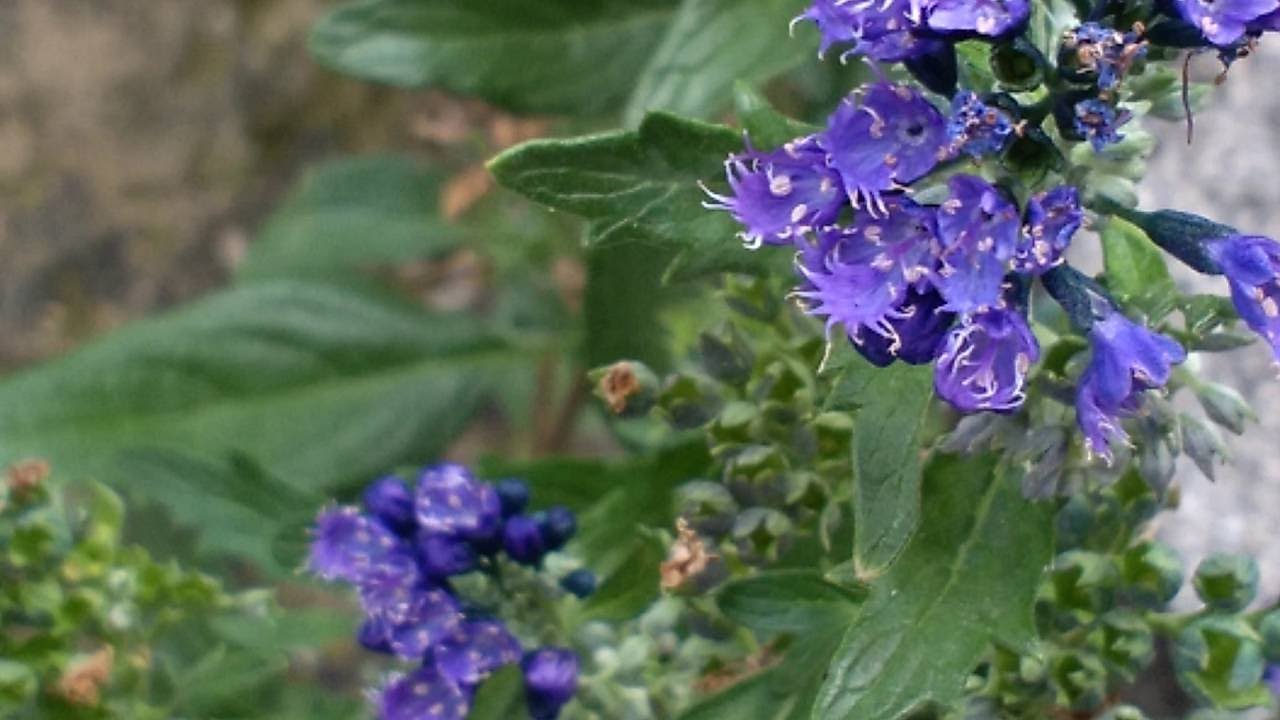
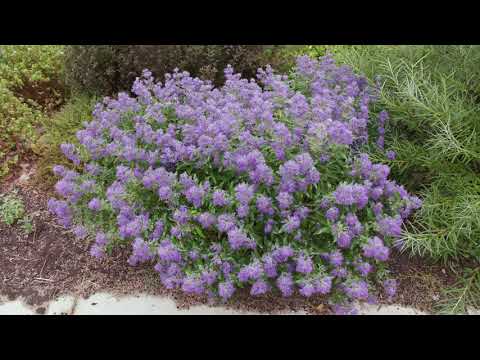
Caryopteris x clandonensis, commonly known as Bluebeard or Blue Mist Spirea, is a stunning deciduous shrub that belongs to the Verbenaceae family. This hybrid plant is a result of crossing Caryopteris incana and Caryopteris mongholica, creating a unique and beautiful addition to any garden or landscape.
Appearance and Characteristics
Caryopteris x clandonensis is a compact shrub that typically grows to a height of 2 to 3 feet and a spread of 2 to 4 feet. It features small, lance-shaped leaves that are gray-green in color and emit a pleasant fragrance when crushed. The most notable feature of this plant is its abundant clusters of tiny, tubular flowers that bloom in late summer to early fall. These flowers come in shades of blue, purple, or white, depending on the cultivar, and attract pollinators such as bees and butterflies to the garden.
Cultivars
There are several popular cultivars of Caryopteris x clandonensis, each offering unique characteristics and color variations. Some of the most well-known cultivars include:
- 'Dark Knight': This cultivar features deep blue flowers and compact growth habit, making it a favorite for smaller gardens or containers.
- 'Longwood Blue': Known for its long blooming period and silvery-green foliage, 'Longwood Blue' is a versatile and attractive option for garden borders.
- 'Sunshine Blue': With its golden-yellow foliage that turns lime-green in summer, 'Sunshine Blue' adds a pop of color to any landscape.
Growing Conditions
Caryopteris x clandonensis is relatively easy to grow and maintain, making it a popular choice for both novice and experienced gardeners. This shrub thrives in full sun and well-drained soil, though it can tolerate a variety of soil types. It is drought-tolerant once established, making it a great choice for gardens with hot, dry summers. Pruning in early spring can help promote a bushier growth habit and encourage more prolific flowering.
Uses in the Garden
Caryopteris x clandonensis is a versatile plant that can be used in a variety of garden settings. Its compact size makes it ideal for borders, rock gardens, or mixed perennial beds. Planted en masse, Caryopteris x clandonensis can create a stunning display of color and texture in the late summer garden. Additionally, this shrub is deer-resistant, making it a great choice for gardens where deer browsing is a concern.
Maintenance and Care
To keep Caryopteris x clandonensis looking its best, regular watering is essential, especially during hot, dry periods. Mulching around the base of the plant can help retain moisture and suppress weeds. Deadheading spent flowers can prolong the blooming period and encourage new growth. In colder climates, providing a layer of mulch around the base of the plant in late fall can help protect it from winter damage.