Evening Rain Lily
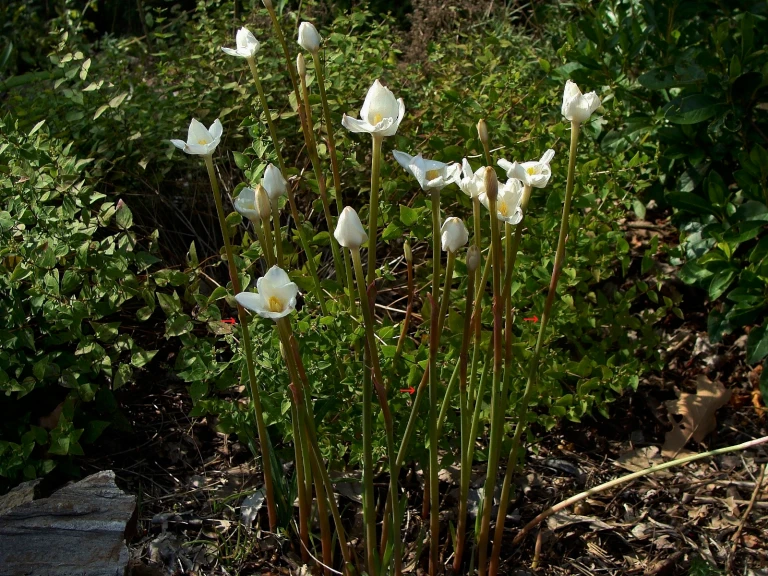
The Evening Rain Lily, scientifically known as Zephyranthes chlorosolen, is a flowering plant that belongs to the Amaryllidaceae family. This perennial bulbous plant is native to the southern United States and Mexico, where it thrives in warm, temperate climates. Known for its enchanting blooms that appear after rainfall, the Evening Rain Lily is a favorite among gardeners and plant enthusiasts.
Botanical Characteristics
Appearance
The Evening Rain Lily is characterized by its slender, grass-like leaves that can grow up to 12 inches in length. These leaves are typically a vibrant green, providing a lush backdrop for the plant's stunning flowers. The flowers themselves are the main attraction, featuring a trumpet-shaped structure with six petals. The blooms are usually white or pale pink, and they emit a subtle, sweet fragrance that adds to their allure.
Growth and Blooming
One of the most fascinating aspects of the Evening Rain Lily is its blooming pattern. The plant is known for its ability to produce flowers rapidly after a rainfall, often within a day or two. This quick response to moisture is a survival mechanism that allows the plant to take advantage of the brief periods of wet conditions in its native habitat. The flowers typically open in the late afternoon or evening, hence the name "Evening Rain Lily," and they remain open for a few days before wilting.
Cultivation and Care
Soil and Planting
The Evening Rain Lily thrives in well-drained soil with a slightly acidic to neutral pH. It is best planted in a location that receives full sun to partial shade. When planting the bulbs, they should be placed about 2-3 inches deep and spaced approximately 4-6 inches apart. This spacing allows for adequate air circulation and room for the bulbs to multiply over time.
Watering and Fertilization
While the Evening Rain Lily is drought-tolerant, it benefits from regular watering, especially during dry spells. However, it is crucial to avoid overwatering, as this can lead to bulb rot. A balanced, slow-release fertilizer applied in the spring can help promote healthy growth and abundant blooms. Organic compost or well-rotted manure can also be used to enrich the soil.
Maintenance
The Evening Rain Lily requires minimal maintenance once established. Deadheading spent flowers can encourage additional blooming and prevent the plant from expending energy on seed production. In colder climates, the bulbs can be dug up and stored indoors during the winter months to protect them from frost. Alternatively, they can be grown in containers that can be moved indoors when temperatures drop.
Propagation
Propagation of the Evening Rain Lily is typically done through bulb division. This method involves carefully digging up the bulbs and separating the offsets, which are smaller bulbs that form around the parent bulb. These offsets can then be replanted in a new location. Propagation can also be achieved through seed, although this method is less common and takes longer to produce flowering plants.
Pests and Diseases
The Evening Rain Lily is relatively resistant to pests and diseases. However, it can occasionally be affected by common garden pests such as aphids, spider mites, and snails. Regular monitoring and the use of organic pest control methods, such as neem oil or insecticidal soap, can help keep these pests at bay. Fungal diseases, such as leaf spot or bulb rot, can occur in overly wet conditions, so proper watering practices and good air circulation are essential.
Uses and Benefits
Ornamental Value
The Evening Rain Lily is highly valued for its ornamental appeal. Its delicate flowers and lush foliage make it an excellent choice for borders, rock gardens, and container plantings. The plant's ability to bloom after rainfall adds an element of surprise and delight to any garden setting.
Ecological Benefits
In addition to its aesthetic value, the Evening Rain Lily also provides ecological benefits. The flowers attract pollinators such as bees and butterflies, contributing to the overall health of the garden ecosystem. The plant's drought tolerance makes it a sustainable choice for water-wise gardening practices.