Bacterial Tracheitis
See also: Tracheitis , See also: Lung Disorders
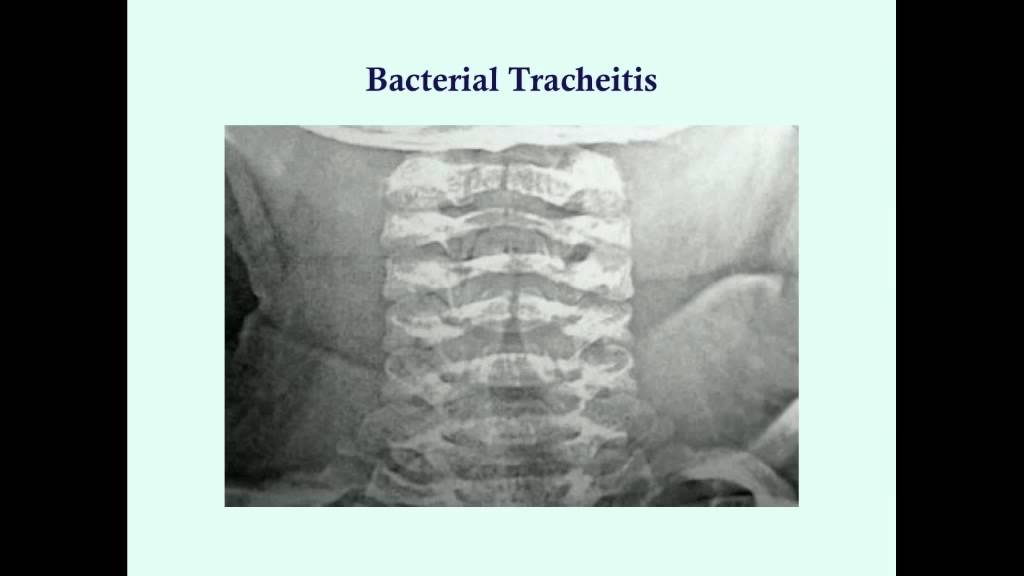
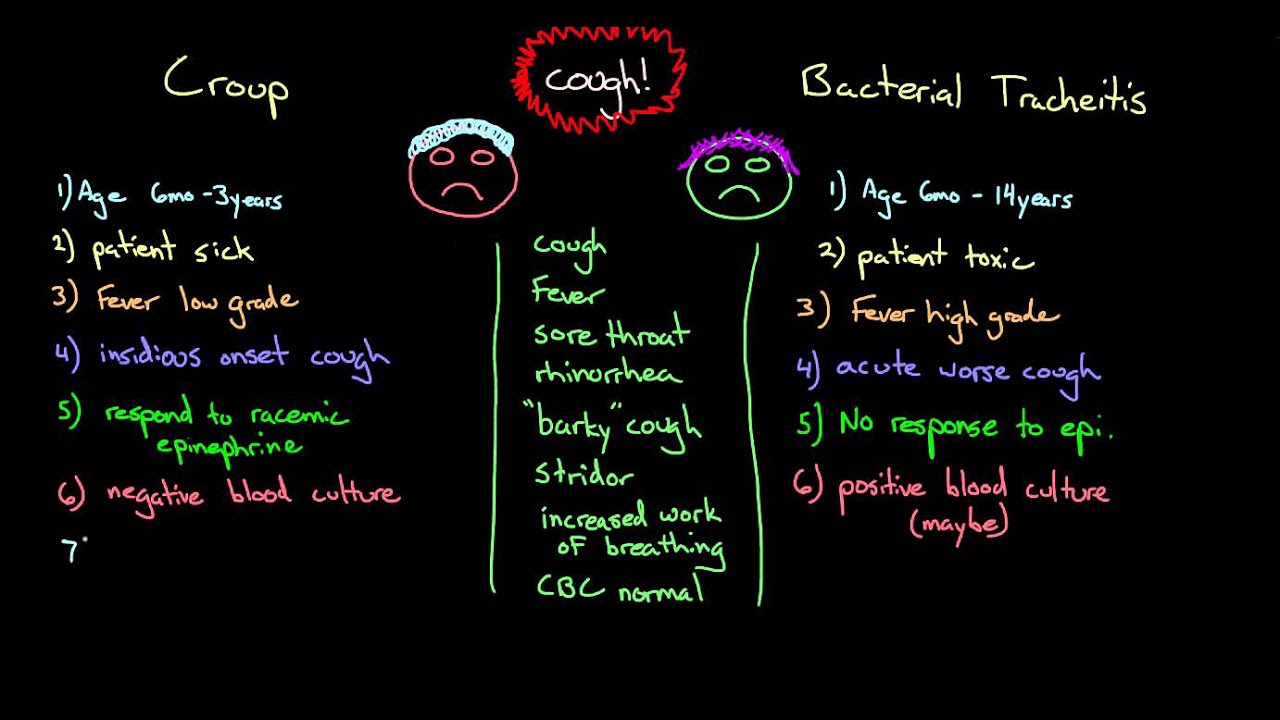
How to differentiate bacterial tracheitis from croup
Diagnosis & Treatment

Bacterial tracheitis is a rare but serious infection of the trachea, the windpipe that connects the larynx to the bronchi of the lungs. This condition is characterized by inflammation and swelling of the tracheal lining, often leading to airway obstruction. It primarily affects children, particularly those between the ages of three and eight, but can occur in individuals of any age.
Causes and Pathogens
Bacterial tracheitis is typically caused by a bacterial infection. The most common pathogen responsible for this condition is Staphylococcus aureus, including methicillin-resistant strains (MRSA). Other bacteria that may cause tracheitis include:
- Streptococcus pneumoniae
- Haemophilus influenzae
- Moraxella catarrhalis
- Pseudomonas aeruginosa
The infection often follows a viral upper respiratory infection, such as the common cold or influenza, which can damage the tracheal lining and make it more susceptible to bacterial invasion.
Symptoms
The symptoms of bacterial tracheitis can resemble those of other respiratory conditions, such as croup or epiglottitis, but they tend to be more severe. Common symptoms include:
- High fever
- Severe cough, often producing thick, purulent sputum
- Stridor, a high-pitched wheezing sound during breathing
- Difficulty breathing or respiratory distress
- Hoarseness or loss of voice
- Chest pain
- Fatigue and general malaise
Due to the potential for rapid progression and airway obstruction, bacterial tracheitis is considered a medical emergency.
Diagnosis
Diagnosing bacterial tracheitis can be challenging due to its similarity to other respiratory conditions. A thorough clinical evaluation is essential, often involving:
- Medical History and Physical Examination: A detailed history of symptoms and a physical exam to assess respiratory distress and stridor.
- Imaging Studies: A lateral neck X-ray may show subglottic narrowing, but direct visualization through bronchoscopy is more definitive.
- Bronchoscopy: This procedure allows for direct examination of the trachea and collection of samples for culture to identify the causative bacteria.
- Laboratory Tests: Blood tests and cultures can help identify the bacterial pathogen and guide antibiotic therapy.
Treatment
The primary goal of treatment for bacterial tracheitis is to secure the airway and eradicate the infection. Treatment typically involves:
- Airway Management: In severe cases, intubation may be necessary to maintain an open airway and ensure adequate oxygenation.
- Antibiotic Therapy: Broad-spectrum intravenous antibiotics are administered initially, with adjustments made based on culture results and sensitivity testing.
- Supportive Care: This includes oxygen therapy, hydration, and monitoring in an intensive care setting.
Prompt recognition and treatment are crucial to prevent complications such as respiratory failure or sepsis.
Prognosis and Complications
With timely and appropriate treatment, the prognosis for bacterial tracheitis is generally good. However, complications can arise, particularly if treatment is delayed. Potential complications include:
- Airway obstruction
- Respiratory failure
- Spread of infection to the lungs (pneumonia) or bloodstream (sepsis)
- Long-term airway damage or scarring
Prevention
Preventing bacterial tracheitis involves reducing the risk of upper respiratory infections and maintaining good hygiene practices. Key preventive measures include:
- Regular handwashing
- Avoiding close contact with individuals who have respiratory infections
- Keeping vaccinations up to date, including the influenza vaccine and pneumococcal vaccine