Blusher
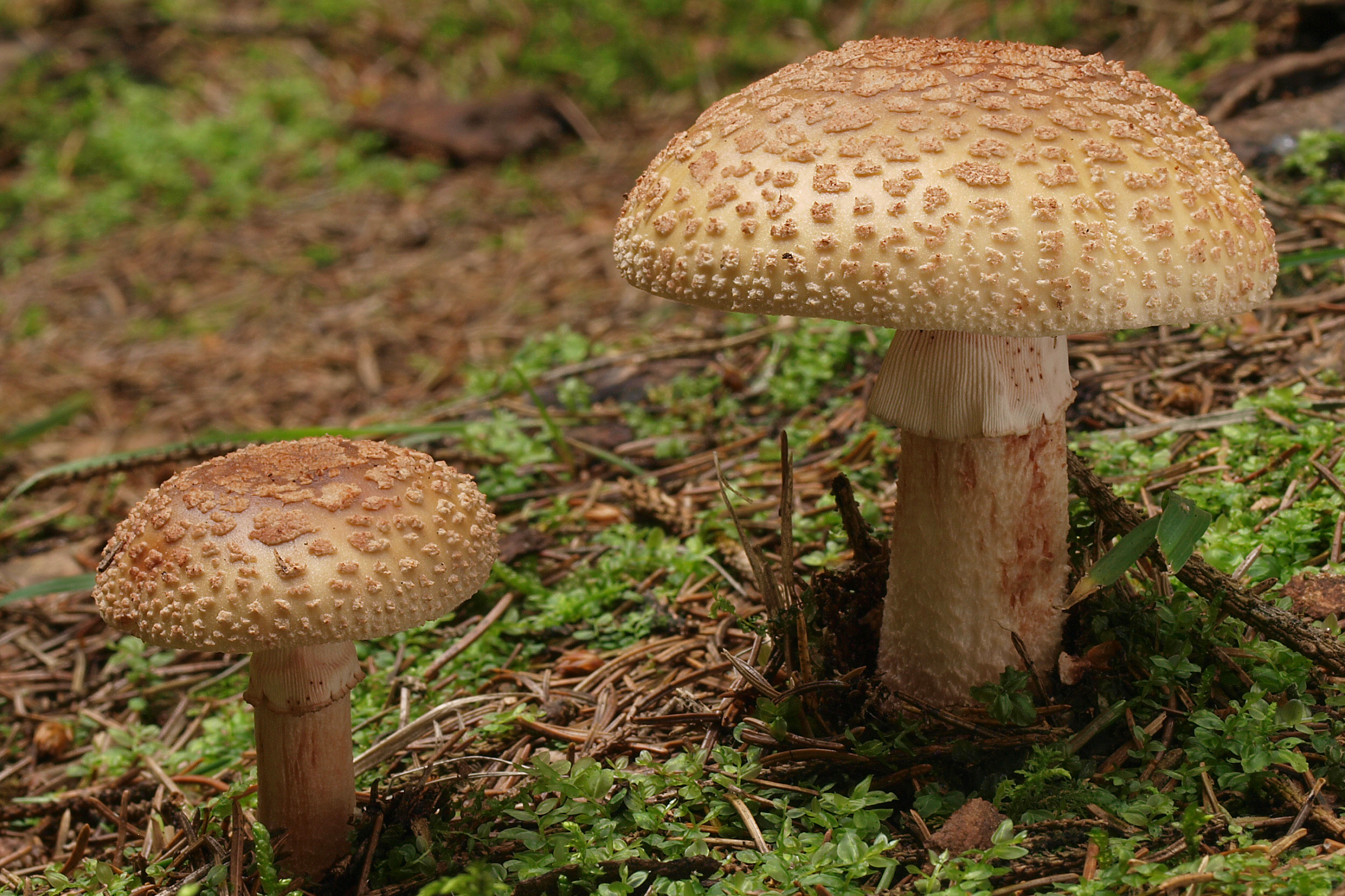
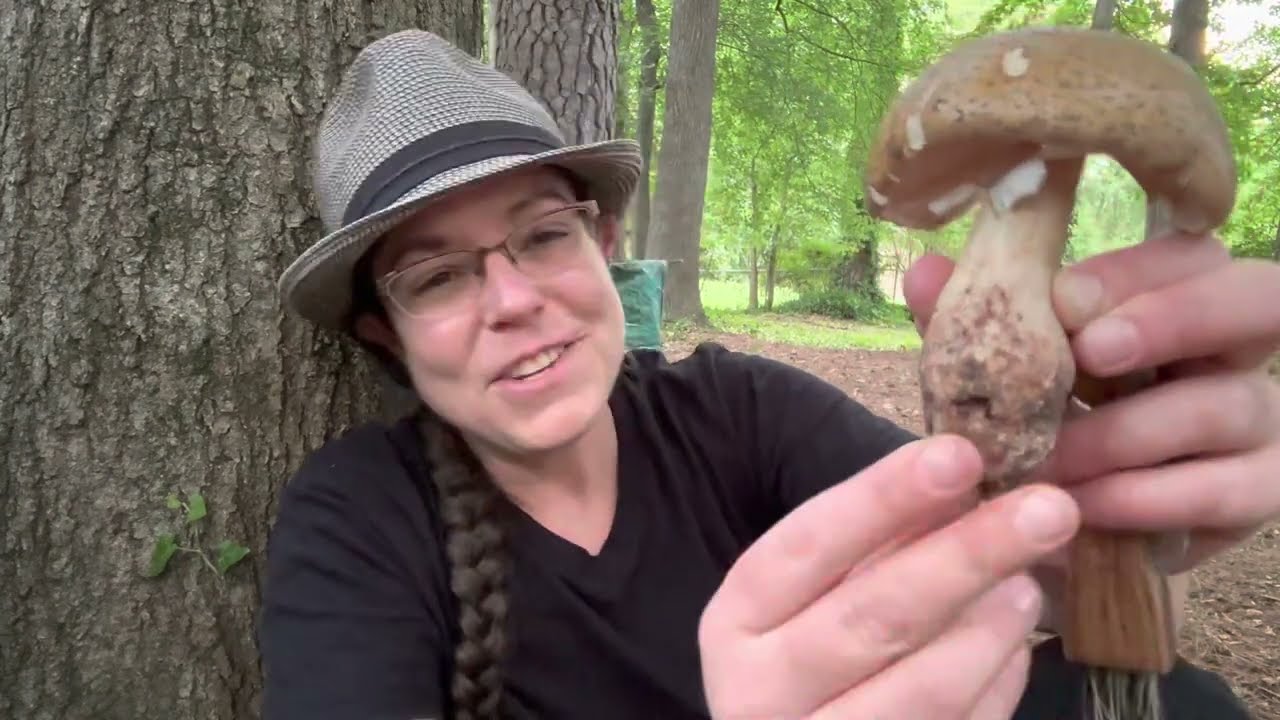
The Blusher, scientifically known as Amanita rubescens, is a widely recognized mushroom species. This mushroom is part of the Amanitaceae family and is notable for its distinctive appearance and unique characteristics. Found primarily in temperate regions, the Blusher is both admired for its beauty and approached with caution due to its close resemblance to some toxic relatives.
Identification
Identifying the Blusher involves observing several key features:
- Cap: The cap of the Blusher ranges from 5 to 15 cm in diameter. It is typically reddish-brown to pinkish-brown and covered with small, white to pinkish warts. The cap is convex when young, becoming flatter with age.
- Gills: The gills are free from the stem and are white to pale cream, turning pinkish or reddish when bruised or aged.
- Stem: The stem is white to pale cream, often with a bulbous base. It measures 6 to 15 cm in height and 1 to 2.5 cm in diameter. The stem bruises reddish when handled.
- Ring: A prominent, skirt-like ring is present on the upper part of the stem. This ring is white and may have reddish stains.
- Flesh: The flesh is white but turns reddish when cut or bruised, a key identifying feature.
- Spore Print: The spore print is white.
Habitat and Distribution
The Blusher is commonly found in deciduous and mixed woodlands, often forming mycorrhizal relationships with various tree species such as oaks, birches, and pines. It prefers well-drained, acidic soils and is typically seen from late summer to autumn. The Blusher is widespread across Europe and North America, with some occurrences in Asia.
Edibility and Toxicity
While the Blusher is considered edible, it must be approached with caution:
- Edibility: The Blusher is edible when thoroughly cooked. Cooking destroys the hemolytic toxins present in the raw mushroom, making it safe for consumption. It is known for its pleasant taste and is used in various culinary dishes.
- Toxicity: Raw Blusher contains hemolytic toxins that can cause gastrointestinal distress, including nausea, vomiting, and diarrhea. These toxins are destroyed by heat, so proper cooking is essential. Additionally, the Blusher can be easily confused with other toxic Amanita species, such as the Panther Cap (Amanita pantherina), which can lead to severe poisoning.
Look-Alikes
Several mushrooms resemble the Blusher, making accurate identification crucial:
- Panther Cap (Amanita pantherina): This toxic mushroom has a similar appearance but lacks the reddish bruising and has a more uniform brown cap with white warts.
- Amanita rubescens var. alba: A white variant of the Blusher, which can be mistaken for other white Amanitas, some of which are highly toxic.
- Amanita muscaria: Known as the Fly Agaric, this mushroom has a red cap with white warts but does not bruise reddish and is highly toxic.
Ecological Role
The Blusher plays a significant role in forest ecosystems:
- Mycorrhizal Relationships: The Blusher forms symbiotic relationships with trees, aiding in nutrient exchange. The fungus provides the tree with essential minerals and water, while the tree supplies the fungus with carbohydrates.
- Decomposition: As a decomposer, the Blusher helps break down organic matter, contributing to soil health and nutrient cycling.
Cultural and Historical Significance
The Blusher has been recognized in various cultures for its unique properties:
- Folklore: In some cultures, the Blusher is associated with folklore and myths, often linked to its striking appearance and the caution required in its consumption.
- Culinary Use: In regions where it is well-known and correctly identified, the Blusher is used in traditional dishes, appreciated for its flavor and texture.