Nociception
Nociceptors:
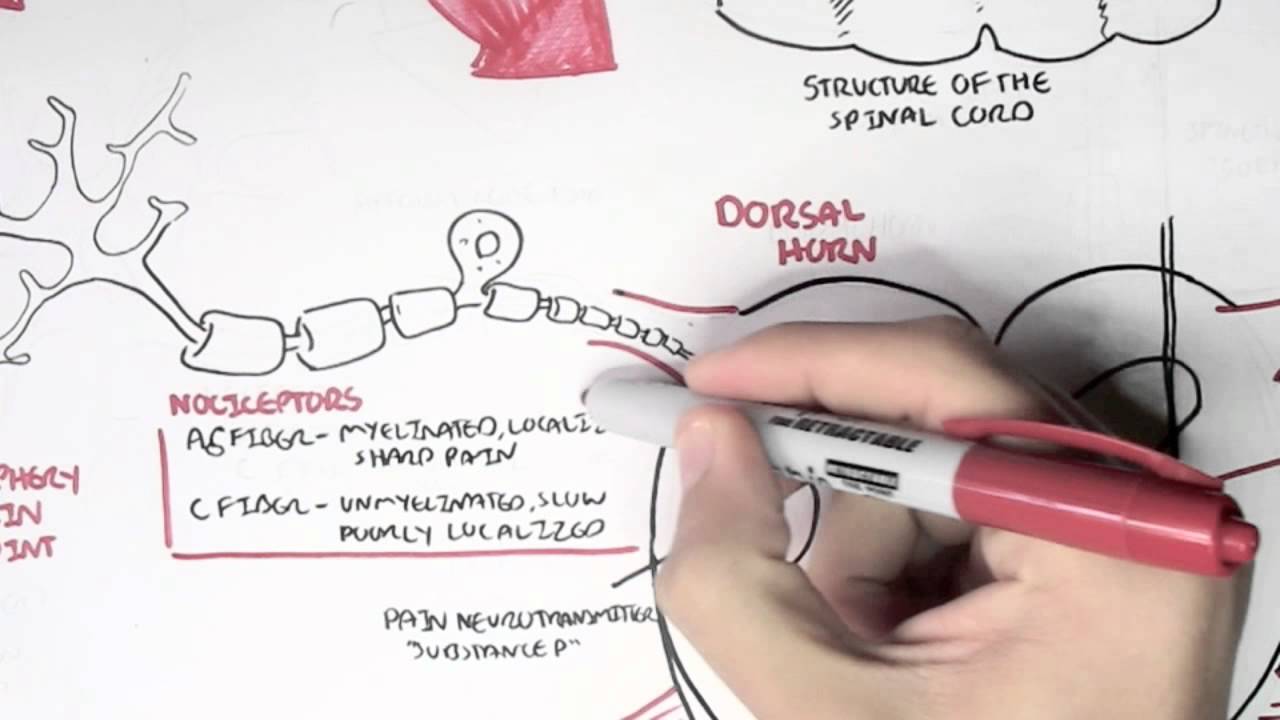
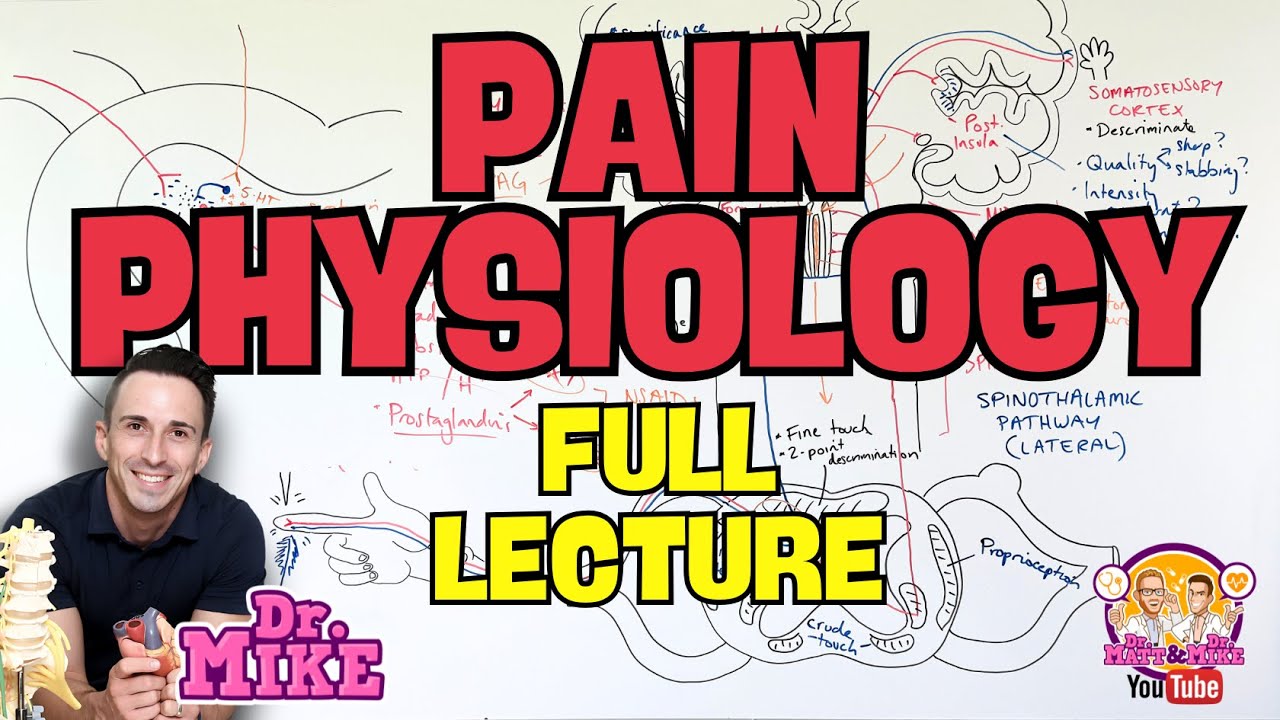
Nociception refers to the physiological process by which our body detects and responds to potential harm or tissue damage. It's the initial stage of the pain pathway, responsible for sending signals to the brain about potentially damaging stimuli.
The Role of Nociception:
- Early Warning System: Nociception acts as an early warning system, alerting the body to potential threats. By detecting pain-causing stimuli, it prompts us to take action to avoid further injury or damage. For example, if you touch a hot stove, the nociceptive response causes you to immediately withdraw your hand.
Nociceptive Stimuli:
Nociception is triggered by various stimuli that can damage tissues:
- Thermal: Extreme hot or cold temperatures can activate nociceptors.
- Chemical: Certain chemicals released during tissue injury or inflammation can stimulate nociceptors.
- Mechanical: Physical pressure, cuts, or bruises can activate nociceptors.
Nociceptive Pathway:
The nociceptive pathway involves a series of steps:
- Activation of Nociceptors: Specialized sensory neurons called nociceptors are located throughout the body, particularly in skin, muscles, and organs. When nociceptive stimuli activate these receptors, a signal is generated.
- Signal Transmission: The signal travels along sensory nerve fibers towards the spinal cord. There are two main types of nerve fibers involved:
- A-delta fibers: Transmit sharp, well-localized pain signals quickly.
- C fibers: Transmit dull, aching pain signals more slowly.
- Spinal Cord Processing: In the spinal cord, the nociceptive signals can either be:
- Transmitted directly to the brain stem and thalamus (areas involved in pain perception) through ascending nerve pathways.
- Modulated by the spinal cord's internal pain-relieving mechanisms before being sent to the brain.
- Brain Perception: The brain interprets the nociceptive signals as pain, along with factors like emotional state and past experiences. We then consciously experience the sensation of pain.
Nociception vs. Pain:
It's important to distinguish between nociception and pain. Nociception is the objective detection of potential harm, while pain is the subjective experience of that detection. Several factors can influence how we perceive pain, such as:
- Intensity of the stimulus: Stronger stimuli generally trigger a more intense pain perception.
- Central nervous system processing: The brain can modulate pain signals based on past experiences, emotions, and expectations.
- Cultural and individual variations: Pain perception can vary between individuals and cultures.
Importance of Nociception:
Nociception is crucial for survival as it motivates us to avoid harmful situations and protect our bodies from injury. It also plays a role in:
- Inflammation: Nociception can trigger inflammatory responses to help heal damaged tissues.
- Tissue healing: Pain can signal the need for rest and promote healing.
Conditions Affecting Nociception:
Certain conditions can disrupt the nociceptive pathway, leading to abnormal pain perception:
- Chronic pain: In some cases, the nociceptive system can become overly sensitized, leading to chronic pain even in the absence of ongoing tissue damage.
- Neuropathic pain: Damage to nerves themselves can cause pain even without activation of nociceptors.
Nociceptive pain comes from inflammation or damage.