Hemodynamics
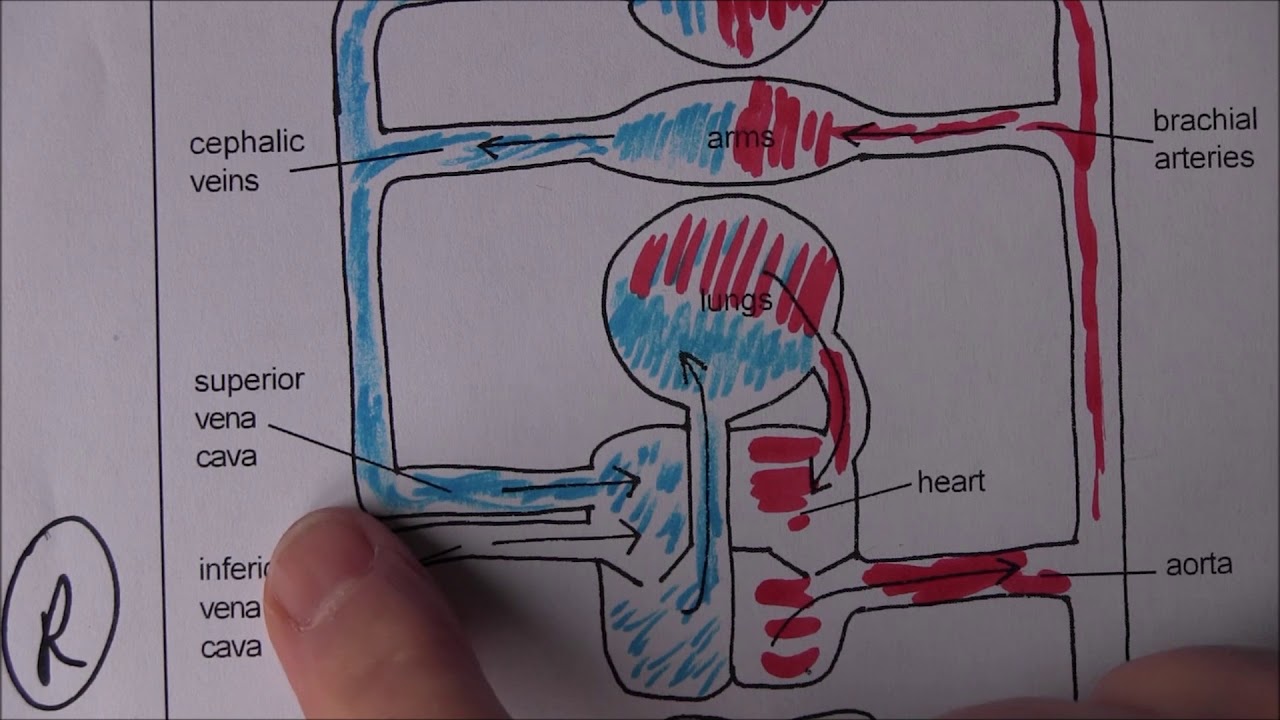

Hemodynamics is a critical aspect of cardiovascular physiology that deals with the dynamics of blood flow. It encompasses the study of the forces and motion of blood through the cardiovascular system, which includes the heart, arteries, veins, and capillaries. Understanding hemodynamics is essential for diagnosing and treating various cardiovascular conditions, as it provides insights into how blood circulates and how different factors can affect this circulation.
Key Concepts in Hemodynamics
1. Blood Flow
Blood flow refers to the movement of blood through the circulatory system. It is driven by the pumping action of the heart and is influenced by the resistance of the blood vessels. Blood flow is typically measured in liters per minute and is crucial for delivering oxygen and nutrients to tissues and removing waste products.
2. Blood Pressure
Blood pressure is the force exerted by circulating blood on the walls of blood vessels. It is a vital sign used to assess cardiovascular health. Blood pressure is determined by cardiac output, blood volume, and vascular resistance. It is usually expressed in millimeters of mercury (mmHg) and is measured as systolic over diastolic pressure.
3. Cardiac Output
Cardiac output is the volume of blood the heart pumps per minute. It is a product of heart rate (the number of heartbeats per minute) and stroke volume (the amount of blood pumped with each beat). Cardiac output is a key determinant of blood flow and is crucial for maintaining adequate tissue perfusion.
4. Vascular Resistance
Vascular resistance is the resistance that must be overcome to push blood through the circulatory system. It is primarily determined by the diameter of blood vessels and the viscosity of the blood. Changes in vascular resistance can significantly impact blood pressure and flow.
5. Compliance
Compliance refers to the ability of blood vessels to expand and contract with changes in pressure. Arteries and veins have different levels of compliance, with veins being more compliant than arteries. Compliance affects how blood is distributed throughout the body and can influence blood pressure.
Factors Affecting Hemodynamics
Several factors can influence hemodynamics, including:
- Heart Function: The heart's ability to pump effectively is crucial for maintaining proper blood flow. Conditions such as heart failure can impair cardiac output and affect hemodynamics.
- Blood Vessel Condition: The elasticity and integrity of blood vessels play a significant role in hemodynamics. Atherosclerosis, for example, can reduce vessel elasticity and increase resistance.
- Blood Volume: Changes in blood volume, such as those caused by dehydration or hemorrhage, can impact blood pressure and flow.
- Blood Viscosity: The thickness of the blood can affect its flow through vessels. Increased viscosity, as seen in conditions like polycythemia, can increase resistance and affect hemodynamics.
- Autonomic Nervous System: The autonomic nervous system regulates heart rate and vessel diameter, influencing blood pressure and flow.
Clinical Importance of Hemodynamics
Understanding hemodynamics is crucial for diagnosing and managing cardiovascular diseases. It helps clinicians assess the severity of conditions such as hypertension, heart failure, and shock. Hemodynamic monitoring can guide treatment decisions, such as fluid management and the use of medications to alter heart rate or vascular resistance.
Hemodynamic Monitoring Techniques
Several techniques are used to monitor hemodynamics in clinical settings:
- Blood Pressure Measurement: Non-invasive methods like sphygmomanometry and invasive methods like arterial catheterization provide insights into blood pressure.
- Echocardiography: This imaging technique assesses cardiac function and can estimate cardiac output and other hemodynamic parameters.
- Pulmonary Artery Catheterization: Also known as a Swan-Ganz catheter, this invasive method measures pressures in the heart and lungs to assess hemodynamic status.
- Doppler Ultrasound: This non-invasive technique evaluates blood flow in vessels and can help detect abnormalities.